Anyone who’s wrestled with a charcoal grill knows that setup is less about tossing coals around and more about strategic engineering. Get it wrong, and you’re in for wild temperature swings and the dreaded meat-ruining char. But nail it? That’s where the magic happens. This guide explores six distinct charcoal configurations, their unique burn patterns, ideal uses, and temperature profiles. You’re about to transform your grill from a heat-flinging monster into a precision instrument, whether you’re slow-smoking a brisket for 10-16 hours or searing a steak to perfection.
6. Snake Method
This gradual ignition technique maintains steady low temperatures for marathon cooking sessions.
The snake method, also known as the fuse or chain method, delivers incredibly stable, low temperatures over extended periods. Picture arranging briquettes in a long, curved line—like a lazy snake—around the grill’s perimeter, typically two rows wide and sometimes stacked. Leave a small section unlit to start the fire. This gradual ignition process can often deliver 10-16 hours of cooking without constant refueling, making it ideal for low-and-slow masters tackling ribs, pork shoulder, or brisket.
Wood chunks can be nestled into the snake for continuous smoke flavor. The main trade-off? Early on, you might get some thicker white smoke due to the continuous lighting, but quality briquettes and good airflow help tame it.
5. Two-Zone Setup
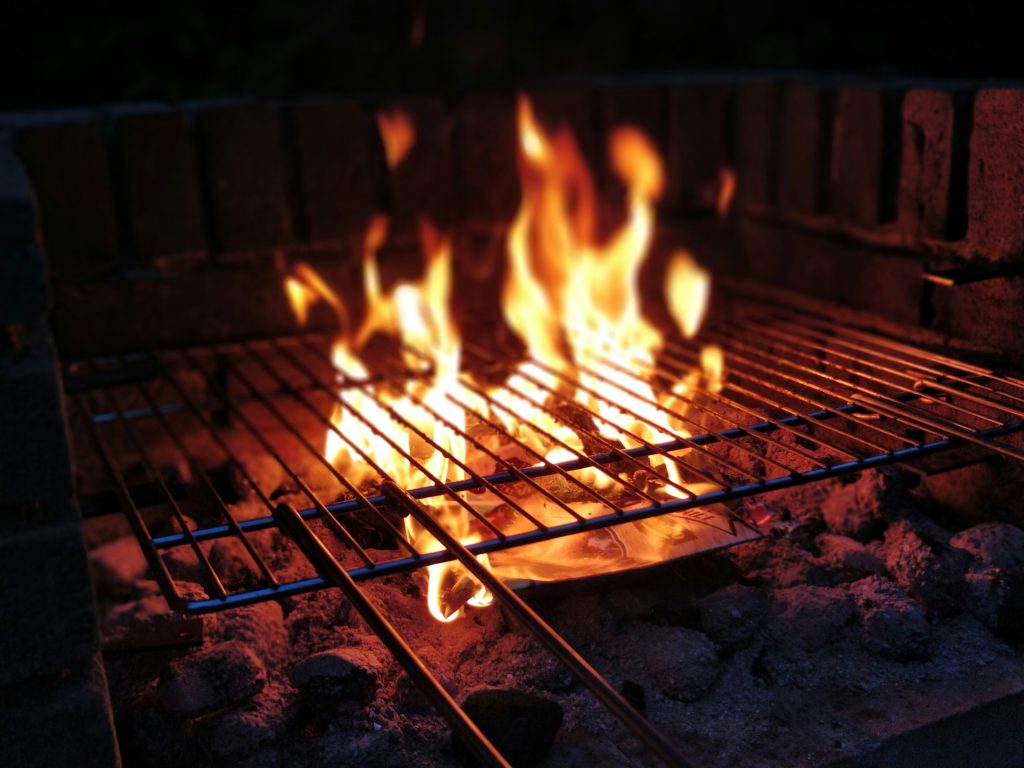
This versatile configuration creates distinct hot and cool zones for ultimate cooking control.
This grilling setup creates two distinct heat zones—a hot direct side and a cooler indirect side—by piling all lit charcoal on one side of the grill. It’s your MVP for versatility, especially for reverse searing thick cuts. Think of it like having a turbo-boost button right next to a gentle simmer setting on your stove.
Bring your steak up to a perfect internal temperature on the 225-275°F indirect side, then finish it with a furious sear over the blazing hot direct zone. Mastering your vent control keeps that temperature difference distinct, ensuring perfect crust without charring the inside.
4. Three-Zone Setup
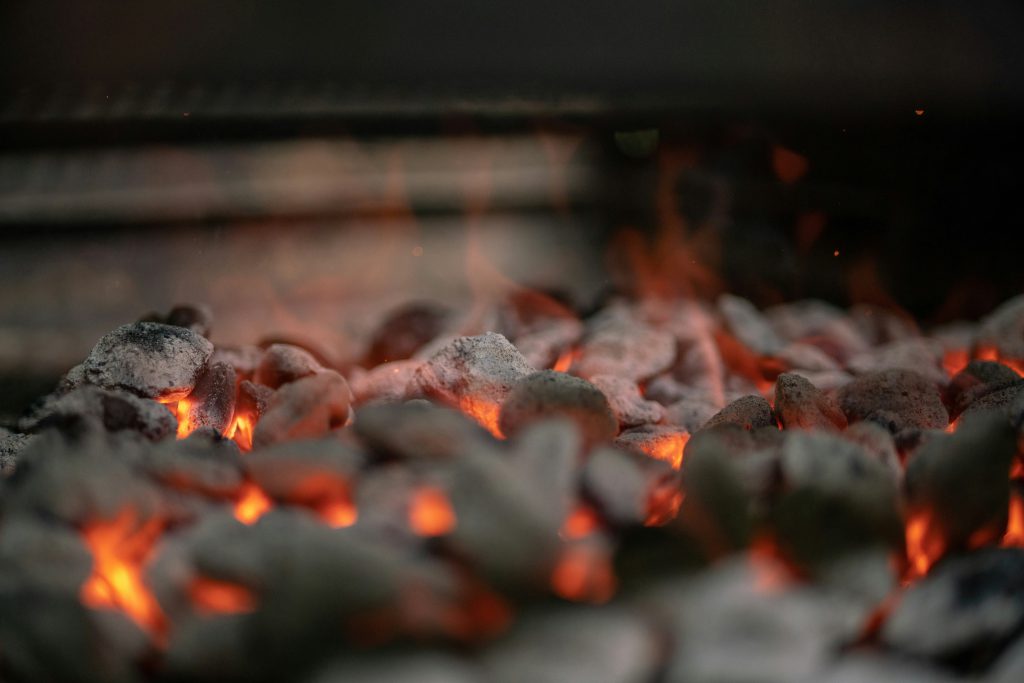
This gradient heat arrangement offers high, medium, and indirect zones for multi-item cooking.
If your grilling plans are as varied as your spice rack, this three-zone setup offers a gradient of heat for ultimate flexibility. Think of it as a thermal buffet: coals are piled deeply on one side, sloped into a medium layer in the center, and absent on the opposite side.
This arrangement crafts distinct zones: high direct heat over the thickest coal pile, medium direct heat over the tapered section, and cool indirect heat where there are no coals. Sausages sizzle over medium heat, burgers get a blast of high heat, and delicate vegetables or cooked items stay warm on the indirect side.
3. Split Setup
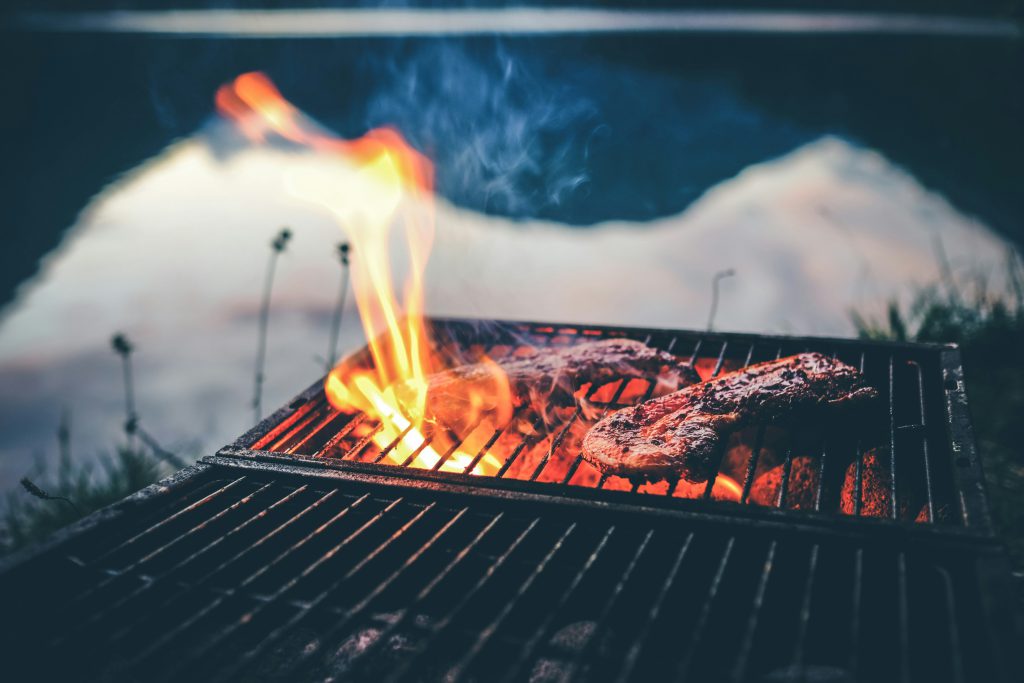
This dual-sided configuration provides even heat from both sides for perfect roasting.
When you’re wrestling with a pork loin or beef tenderloin that demands respect, the split setup is your culinary best friend. Also known as the parallel or three-zone split fire, this method stacks equal piles of charcoal on both sides of the grill grate, leaving a substantial clear channel down the middle.
Many grill masters tuck a water or drip pan into that central void. This catches stray juices and acts as a heat sink, smoothing out temperature swings. This setup ensures your massive cut of meat cooks uniformly, from edge to center, without any one side getting too much heat.
2. Minion Method
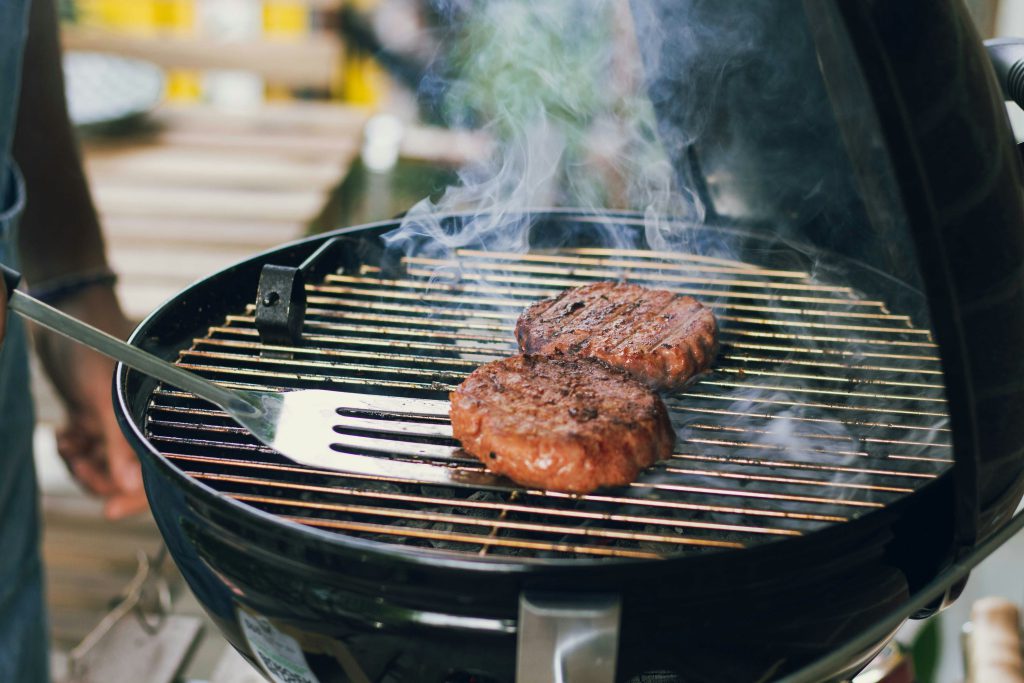
Jim Minion’s competitive barbecue technique delivers ultra-long, stable cooks from a single fuel load.
Popularized by pitmaster Jim Minion for competitive barbecue, this method can often yield 10-16 hours of consistent heat from a single fuel load. It works by filling a charcoal ring or basket with unlit briquettes, then topping them with a smaller amount of lit coals.
This gradual ignition is like slow-release caffeine for your grill, dramatically reducing temperature spikes and greatly reducing the need for overnight refueling. It’s a game-changer for those marathon pork shoulder or brisket sessions. While it shares the potential for an early burst of white smoke with the snake method, this technique makes all-nighters feel more like a chill Netflix binge than a high-stakes endurance test.
1. Vortex Method
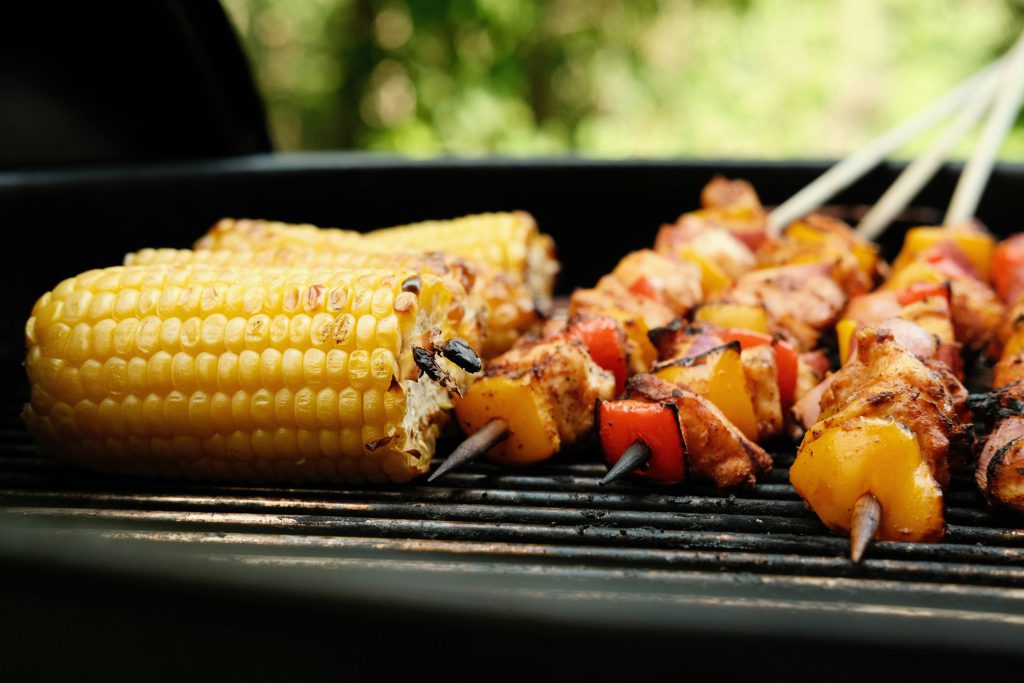
This concentrated heat column creates an insanely hot searing zone with powerful indirect cooking around the perimeter.
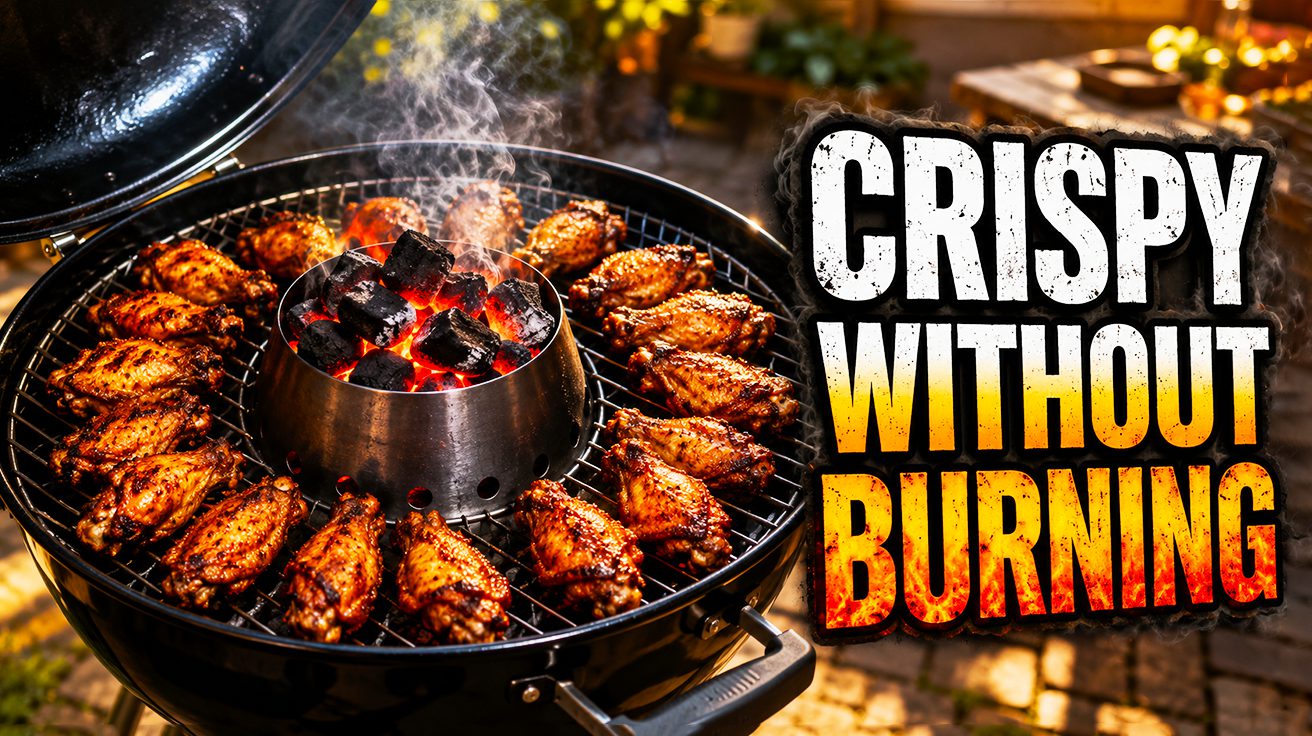
This setup is like a focused beam of pure grilling power. Place a special metal cone, often sold as the “Vortex,” directly on your charcoal grate, then load your charcoal inside this cone. The concentrated fuel column blasts upward, hitting the grill lid and bouncing back down like a culinary heat wave.
This creates an intensely hot zone directly above the cone, perfect for searing steaks to a deep, beautiful crust. For crispy chicken wings, arrange them around the cone’s perimeter. The high-temperature indirect heat renders fat and crisps skin to perfection without any direct scorching.