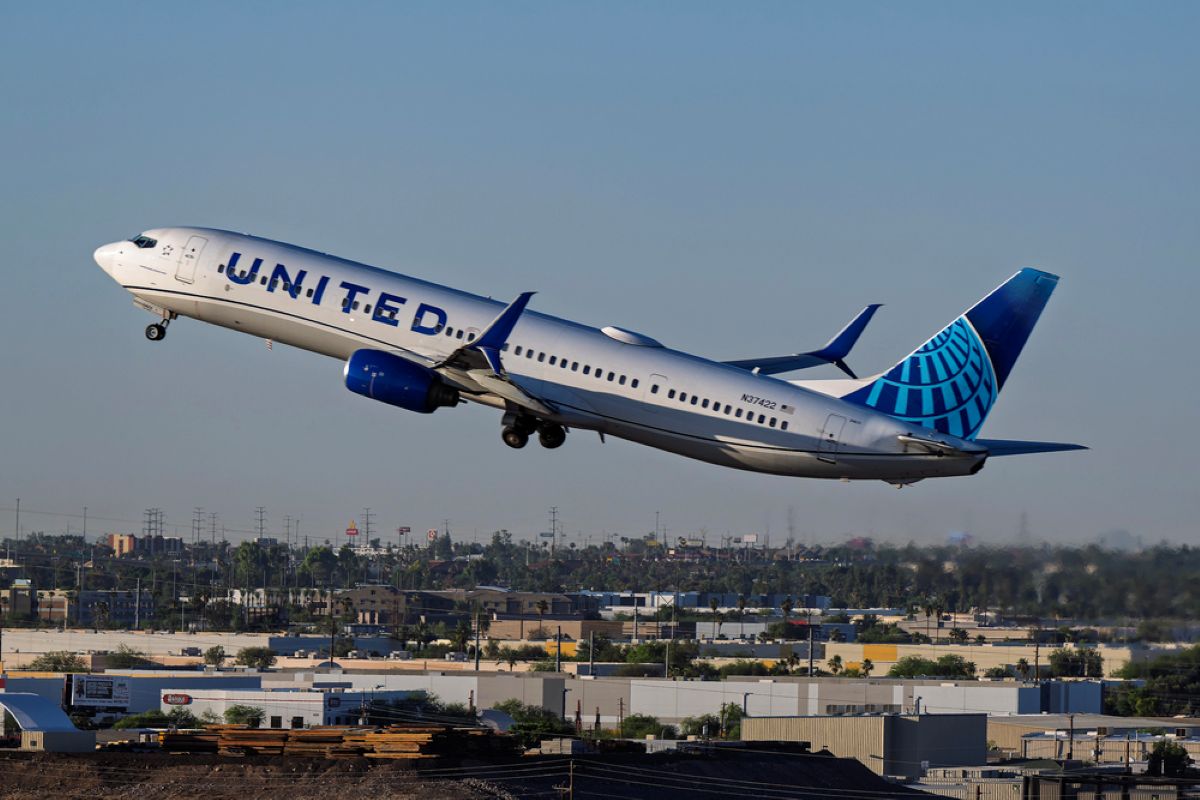
Your Bluetooth speaker’s name probably says something about your personality. Maybe it’s “Sarah’s Beats” or “Kitchen Tunes.” But when a 16-year-old passenger named his speaker “BOMB” on United flight 236 from Newark to Palma, that digital joke became a very expensive reality check. The Boeing 767-400, three hours into its transatlantic journey, executed a full U-turn over the Atlantic Ocean after crew discovered the threatening device name.
How a Wireless Name Became a Security Threat
Bluetooth visibility protocols collided with post-9/11 aviation security requirements.
You’ve seen those Bluetooth device lists when your phone scans for speakers or headphones nearby. According to passenger accounts, crew made multiple announcements demanding all passengers disable Bluetooth, eventually issuing a one-minute ultimatum when two devices remained visible. Aviation security protocols don’t distinguish between actual threats and teenage humor—any bomb reference triggers immediate action.
Emergency Protocols Override Common Sense
Pilots declared a general emergency and initiated full threat response procedures.
The crew’s frustration was palpable, with passengers reporting comments about “someone’s joke ruining it for everyone.” But once a potential bomb threat surfaces, airlines follow rigid protocols regardless of how absurd the source might seem. The pilots squawked 7700—aviation’s universal emergency code—and turned the aircraft around while cruising at 32,000 feet. LiveATC recordings captured United operations explaining they needed to inspect “the whole aircraft, including cargo” due to the device name.
Federal Response Treats Digital Jokes Seriously
Passengers faced hours of security screening while authorities swept the plane.
Newark airport greeted the returning flight with the full federal security theater. Passengers were deplaned in a remote area, allowed only passports and phones, then bused away while authorities conducted a complete aircraft inspection. The teenager eventually admitted ownership of the speaker, but not before everyone cleared TSA screening again and endured a 9.5-hour delay. The flight did eventually reach Spain, though several hundred passengers learned an expensive lesson about digital naming choices.
Part of Growing Pattern of Tech-Security Collisions
Wi-Fi and Bluetooth pranks increasingly trigger real-world consequences in aviation.
This isn’t isolated stupidity. Similar incidents involving provocative Wi-Fi network names—including one reading “I HAVE A BOMB. EVERYONE WILL DIE.”—have disrupted flights across multiple airlines. The collision between internet humor culture and aviation security creates a perfect storm where Gen Z’s casual approach to device naming meets zero-tolerance security protocols designed for actual threats.
What feels like harmless digital rebellion to a teenager becomes a federal incident when those four letters appear on an aircraft’s wireless network scan. Your device name might be invisible to you, but it’s broadcasting to everyone nearby—including flight crews trained to treat any bomb reference as the real thing until proven otherwise.