Four weeks ago, Elon Musk briefly became what headlines called the world’s first paper trillionaire, according to reporting from the Guardian and CNBC. Now his rocket company’s stock can’t hold its opening price — and the AI IPO crowd is watching every tick.
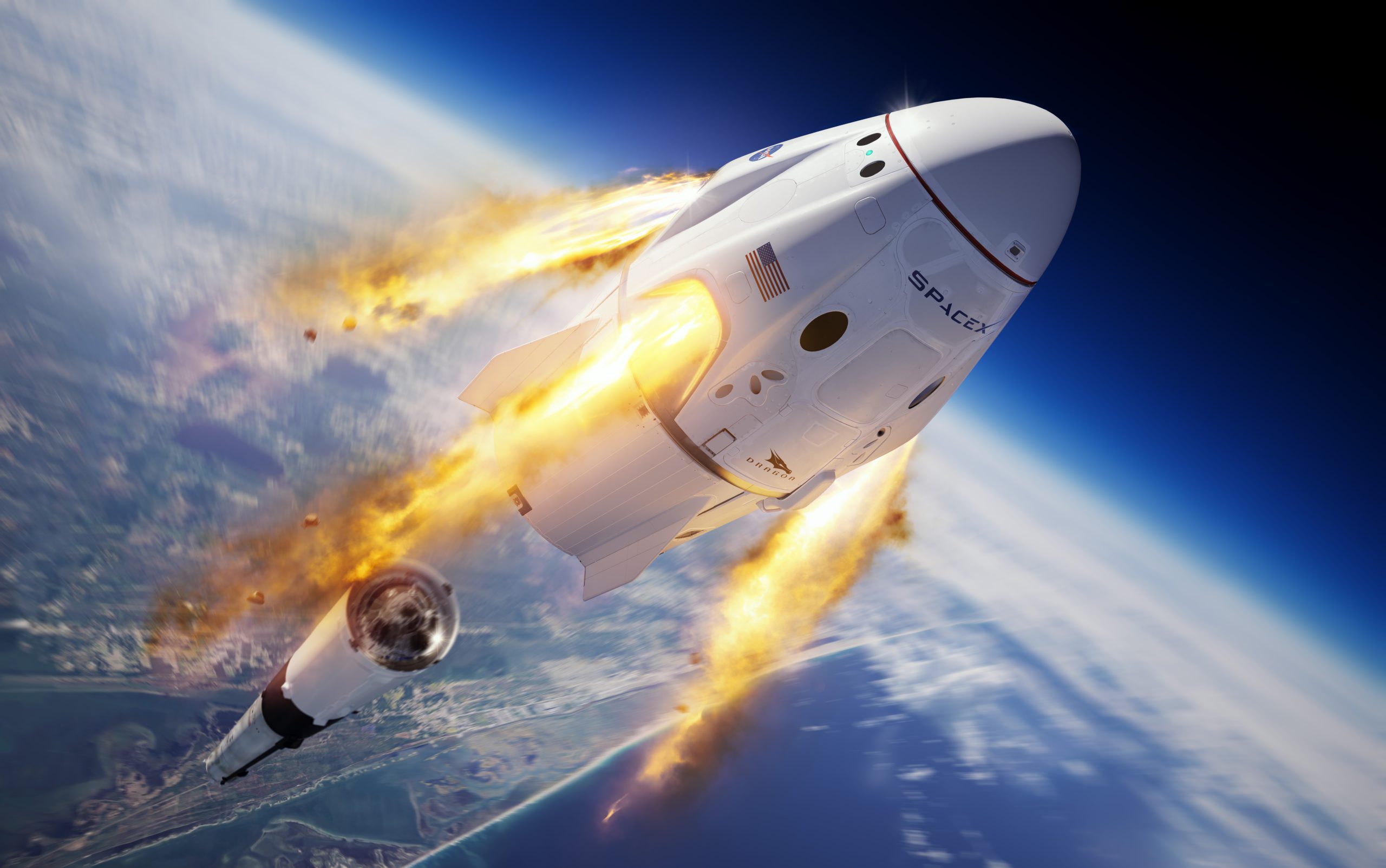
SpaceX priced history’s largest IPO at $135 per share on June 12, raising roughly $75 billion and landing a valuation near $1.77 trillion, according to Reuters. Shares opened at $150 — an 11% premium to the IPO price — surged past $160, and briefly pushed the company’s market cap above $2 trillion. Then gravity kicked in.
Fast-Tracked Into Turbulence
Nasdaq-100 inclusion was supposed to bring stability — instead, it brought sellers.
Here’s what happened, and fast:
- SpaceX offered only about 4% of its shares publicly, creating a thin free float on an enormous valuation.
- The IPO was roughly two-times oversubscribed, with 30% allocated to retail investors, according to SpotGamma’s analysis.
- Nasdaq added SPCX to the Nasdaq-100 effective July 7 — one of the fastest inclusions ever for a mega-cap IPO.
- On its first session as an index member, SPCX dropped nearly 7%, closing just below $150, as Investopedia reported.
- SpaceX still cannot join the S&P 500, which requires a one-year seasoning period and profitability tests.
Index inclusion is supposed to be the financial equivalent of getting a VIP wristband at the door. Passive funds tracking the Nasdaq-100 — including the widely held QQQ ETF — were required to buy SPCX to match the benchmark. But active traders apparently treated that guaranteed demand as a liquidity event, selling into the rebalancing flow rather than riding it. The stock closed at $148 after two straight sessions of declines, according to CNBC.
“SpaceX shares finished down nearly 7% on their first session as members of the Nasdaq-100, closing just below the $150 opening price from IPO day.” — Investopedia
That puts SPCX uncomfortably close to its $135 IPO anchor. This is the price where institutional investors placed their bets. A sustained break below it may suggest markets are repricing the broader thesis — not simply digesting a routine post-debut dip.
OpenAI and Anthropic Are Taking Notes
SpaceX’s pullback is the only live market data point for pricing trillion-dollar AI stories at scale.
This matters well beyond one ticker. OpenAI reportedly targets a September debut at around $852 billion, according to Fortune. Anthropic filed its confidential S-1 with the SEC on June 1, with OpenAI following a week later, per NPR. Bankers and boards for both companies will almost certainly use SpaceX’s trading arc — surge, peak, pullback — when setting valuation ranges and calibrating investor messaging. The Stargate Project has further raised the stakes around how markets will ultimately value these AI giants at scale.
If you’re tracking the AI IPO wave, the number that matters right now isn’t the $2 trillion intraday high. It’s whether $135 holds — and what it signals about the market’s appetite for the next wave of trillion-dollar AI listings waiting in the queue.