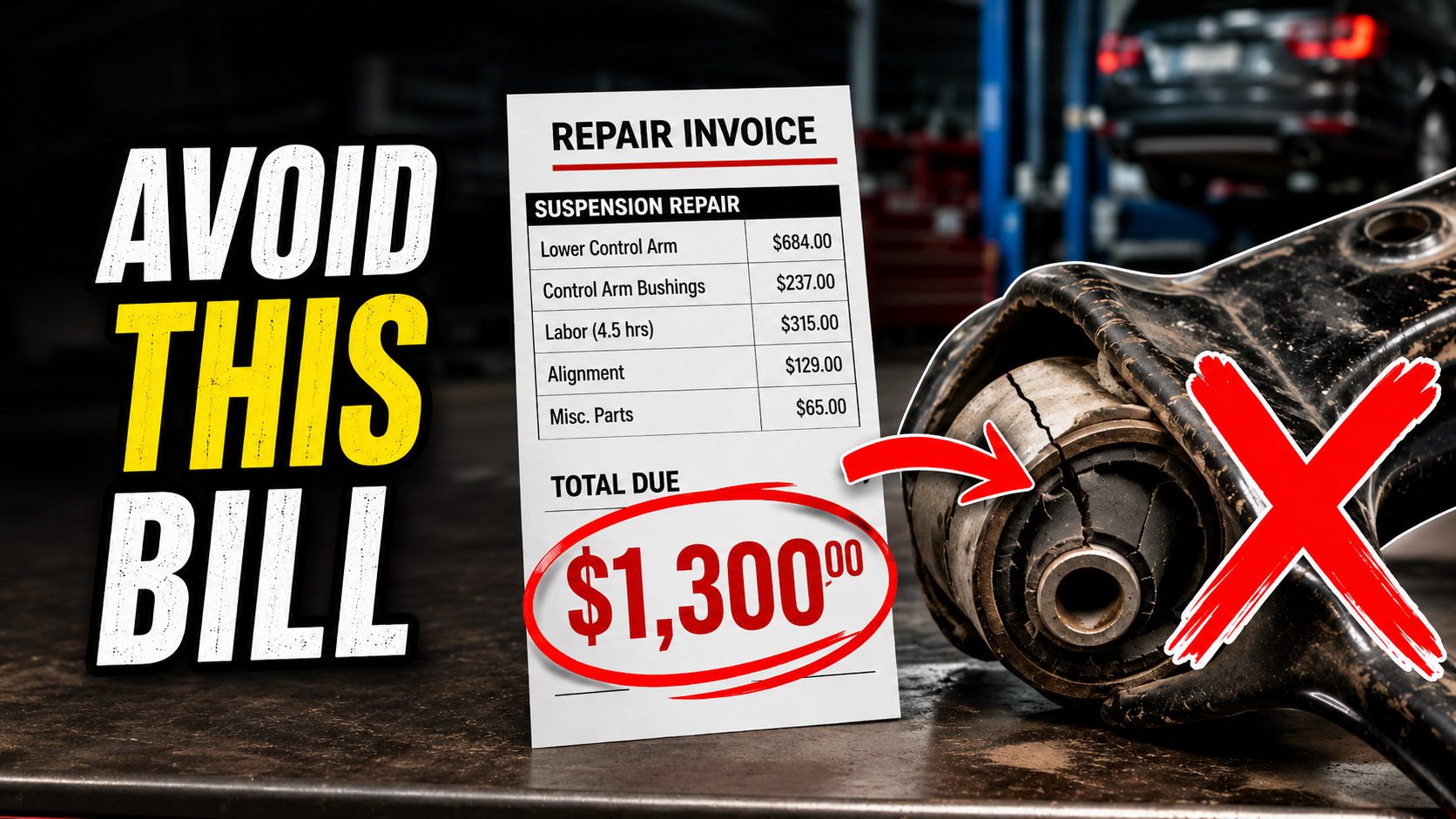
Stretching your car’s suspension life is like trying to make a toddler eat Brussels sprouts—it takes a little know-how and a willingness to sidestep the obvious. Most folks only think about suspension when something’s clunking like a bad DJ set, but a little foresight can save you thousands in repairs. You’re talking about dodging the fate of your car’s undercarriage becoming a graveyard for worn-out rubber and bent metal, all because a few crucial steps were skipped.
14. AT205 Re-Seal
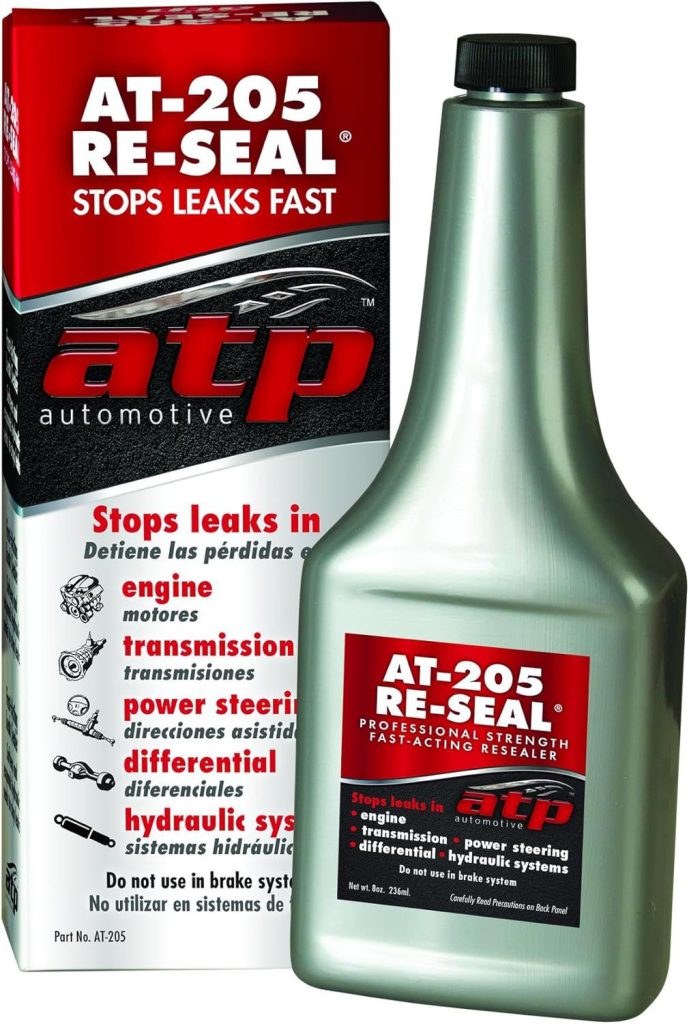
This polymer-based additive works like a spa treatment for aging rubber components.
Think about how annoying it is when your phone battery dies mid-doomscroll. Your car’s rubber seals feel the same way when they get old and brittle. A common fix, often costing over $1,300 for just control arm bushings, is surprisingly simple with AT205 Re-Seal. This polymer-based additive, when mixed into engine oil or sprayed diluted onto suspension parts, restores suppleness to aging seals and gaskets in your engine, transmission, and power steering systems, preventing those annoying minor leaks before they become wallet-drainers.
Anyone who’s ever had a mechanic point out a cracked strut boot knows that sinking feeling. Before you panic and sign over your paycheck, consider this trick. A quick spray of diluted AT205 on those weary strut boots, CV axles, or suspension bushings can breathe new life into them. It’s like giving your car’s suspension a shot of caffeine, keeping it flexible and functional longer, especially in areas exposed to the elements and constant stress.
13. Rubber Seals (Suspension)
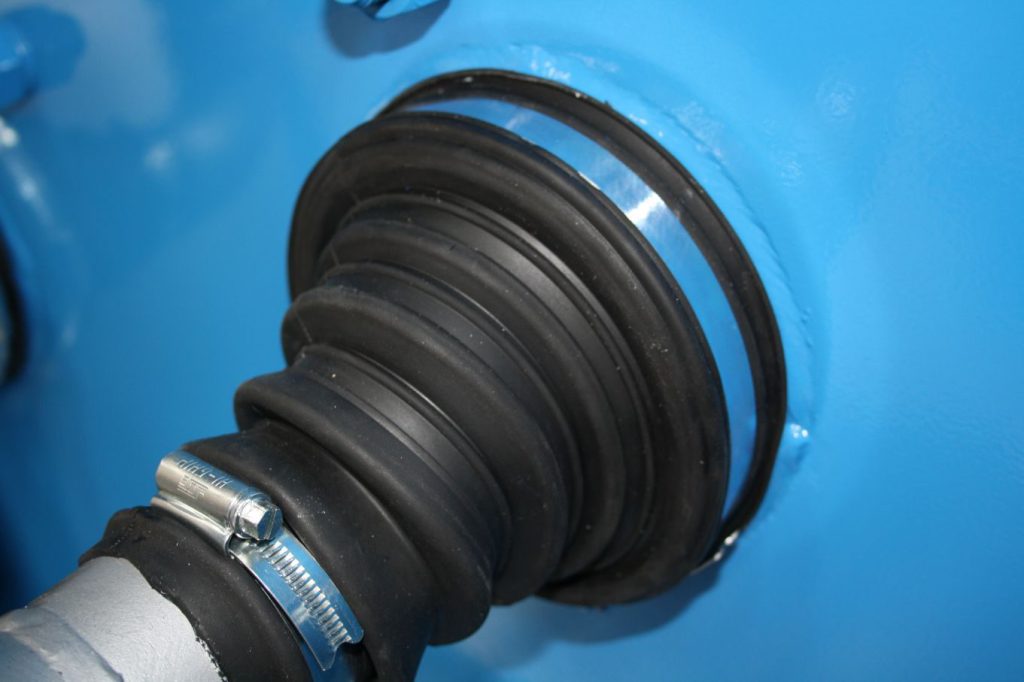
Regular conditioning acts like sunscreen for your car’s undercarriage.
Your suspension’s rubber seals are designed to protect critical components from the elements, typically lasting between 50,000 and 100,000 miles. Factors like age, UV exposure, ozone, and temperature fluctuations can accelerate their degradation, leading to cracking. While surface cracks are often normal and not indicative of immediate failure unless they result in splits or noise, proactive maintenance can extend their life.
Applying rubber conditioners regularly helps maintain suppleness and delays the inevitable cracking process. Anyone who’s parked a car outdoors knows the drill: constant exposure to sunlight and changing temperatures can turn rubber seals brittle, creating fine lines. A simple application of conditioner can reintroduce flexibility, preventing these minor cracks from deepening into significant breaches.
12. Rubber Bushings (Control Arm)
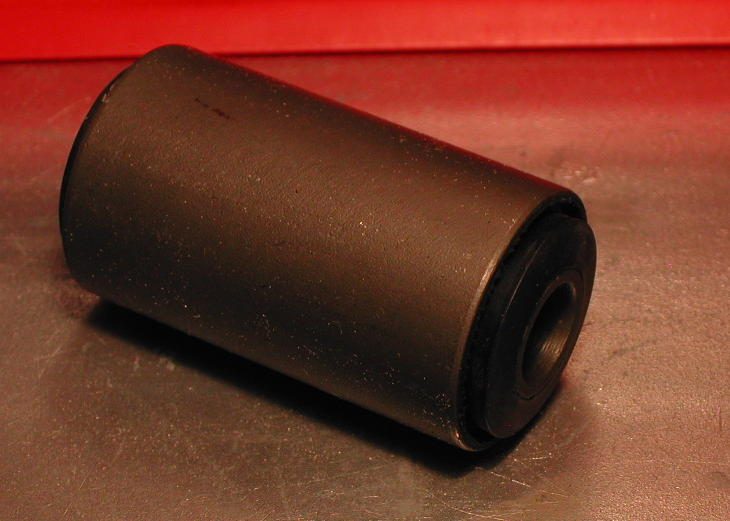
These tiny shock absorbers prevent your wheels from knocking around more than they should.
Control arm bushings typically last about 80,000 miles or roughly 8 years, acting like tiny shock absorbers for your car’s suspension. When these rubber bits tear or get loose, often from years of pounding city streets or dealing with corrosion, they let your wheels knock around more than they should. This not only makes for an annoying clunk over every bump but also messes with your alignment, making your tires wear unevenly, like a bad haircut.
Ignoring this can turn a simple fix into a bigger headache. If you don’t replace these worn-out guardians, you’re basically accelerating wear on other parts connected to the wheel hub, like asking your iPhone to run Windows Vista. A typical replacement job, including labor, can set you back around $1,300.
11. Coil Springs
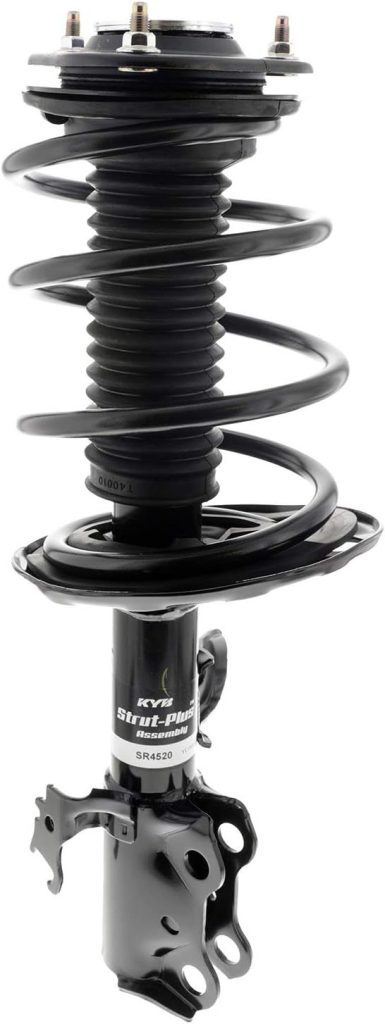
Rough roads can buckle these weight-bearing heroes in under two years.
Rough roads are the mortal enemy of your car’s coil springs, those unsung heroes that bear your vehicle’s weight and smooth out the jolts. One test found these springs can buckle after just 1,248 cycles on a bumpy ride, a stark contrast to the 19,060 cycles they might endure on a flat surface. That means your daily commute on pockmarked streets could toast them in under two years.
If you’re one of those drivers who treats their trunk like a storage unit, you’re also compressing those springs prematurely, accelerating their demise. Replacing all four coil springs can set you back at least $1,400, so treating your suspension with a bit of kindness goes a long way. Think of it like this: constantly jarring your joints leads to arthritis, and constantly jarring your coil springs leads to an expensive mechanic bill.
10. Lower Control Arm
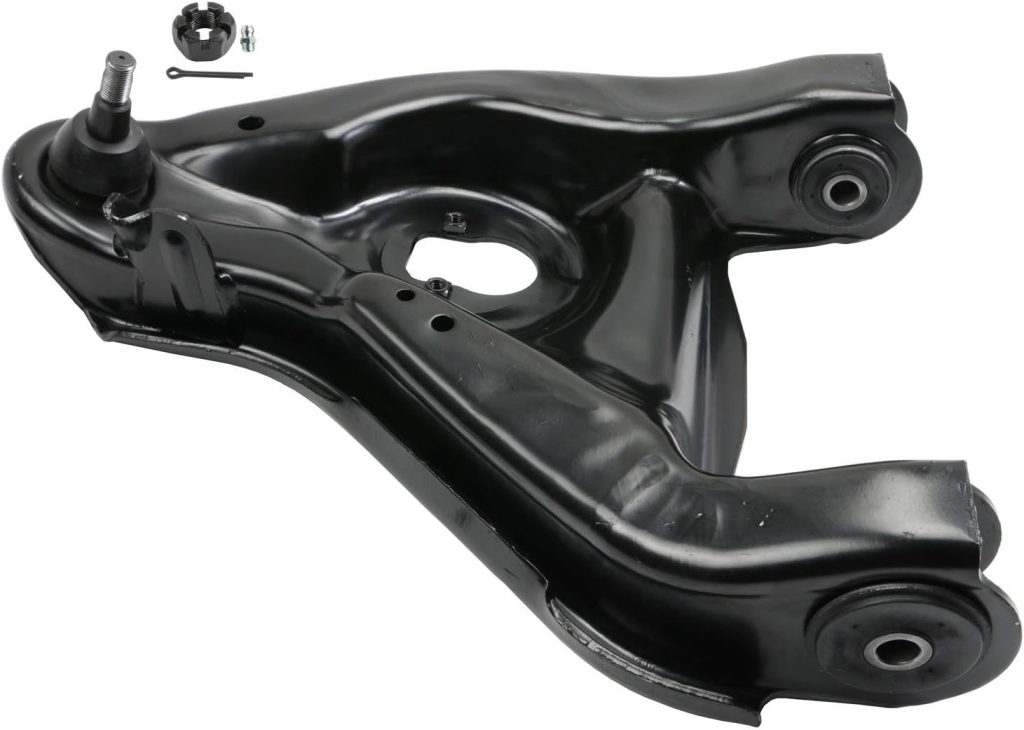
These unsung heroes dictate alignment and stability, but potholes are their kryptonite.
Hitting a deep pothole feels like a cheap shot from the universe, and your lower control arm takes the brunt of it. These unsung heroes connect your wheel hub to the frame, dictating alignment and stability. On rough terrain, they’re on borrowed time, often failing after just 3,580 cycles, a far cry from the millions they endure on smooth pavement.
You might start hearing persistent clunks when turning or braking, a sure sign that this critical component is stressed. A full replacement can run over $1,300 if the bushings are shot, but sometimes you can get away with just replacing the bushings for around $550 per arm. Either way, letting a failing control arm go unchecked leads to uneven tire wear and handling that’s less “nimble” and more “what the heck was that?”
9. Shocks

Wrong tires can slash shock absorber life by a wild 30%.
Driving with too much junk in the trunk, or navigating roads that look like they survived a meteor shower, can mess with your suspension. Excess weight or constant jarring reduces the travel—that’s the up-and-down room your shocks have—and can permanently toast them. It’s like asking a marathon runner to sprint a mile immediately after finishing a race.
Here’s a fun fact: using the wrong tires can slash your shock absorber’s life by a wild 30%. These aren’t just passive parts; they work hand-in-hand with your tires, bushings, and springs to keep your ride smooth. Regular maintenance, like keeping those tires properly inflated and rotated, is your best bet to avoid premature failure.
8. Spare Tire (Trunk Weight)
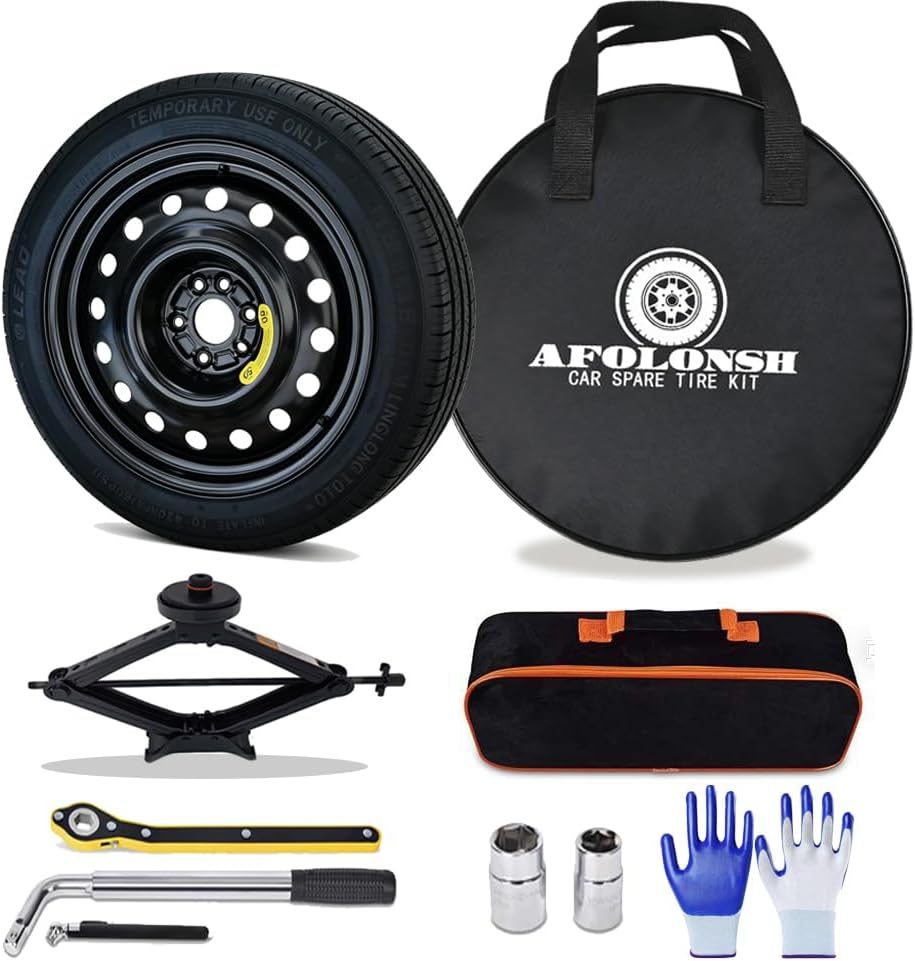
Excessive cargo forces your suspension to do endless burpees.
Full-size spare tires, once a common sight in the 1990s, have become a rarity. Today, only about 40% of new cars in the US actually come equipped with any spare at all, often replaced by sealant kits to shed weight and boost fuel economy. While saving a few pounds makes sense, cramming your trunk with excessive cargo is like asking your suspension to do endless burpees.
That extra weight constantly compresses springs and shocks, especially on bumpy roads, and can eventually lead to premature, expensive breakdown. All that gear forces your suspension to work overtime, much like trying to sprint a marathon after a Thanksgiving feast. This constant strain can wear out shocks and springs faster than a TikTok trend dies out.
7. Wheel Alignment
Even a 2mm misalignment can cause thousands in damage.
Delaying a wheel alignment for over a month can lead to significant tire wear and strain on suspension components like ball joints, tie rods, and control arms. Even a minor misalignment of 2mm can cause problems. This crucial service, typically costing around $150, prevents potentially thousands of dollars in damage by ensuring proper tire contact and even weight distribution.
Consider a driver who notices their car pulling slightly to one side but postpones alignment for several months. During this time, the tires aren’t rolling straight, causing uneven tread wear. This misalignment also puts continuous, abnormal stress on the tie rods and control arms as they try to correct the crooked path.
6. Strut Mounts
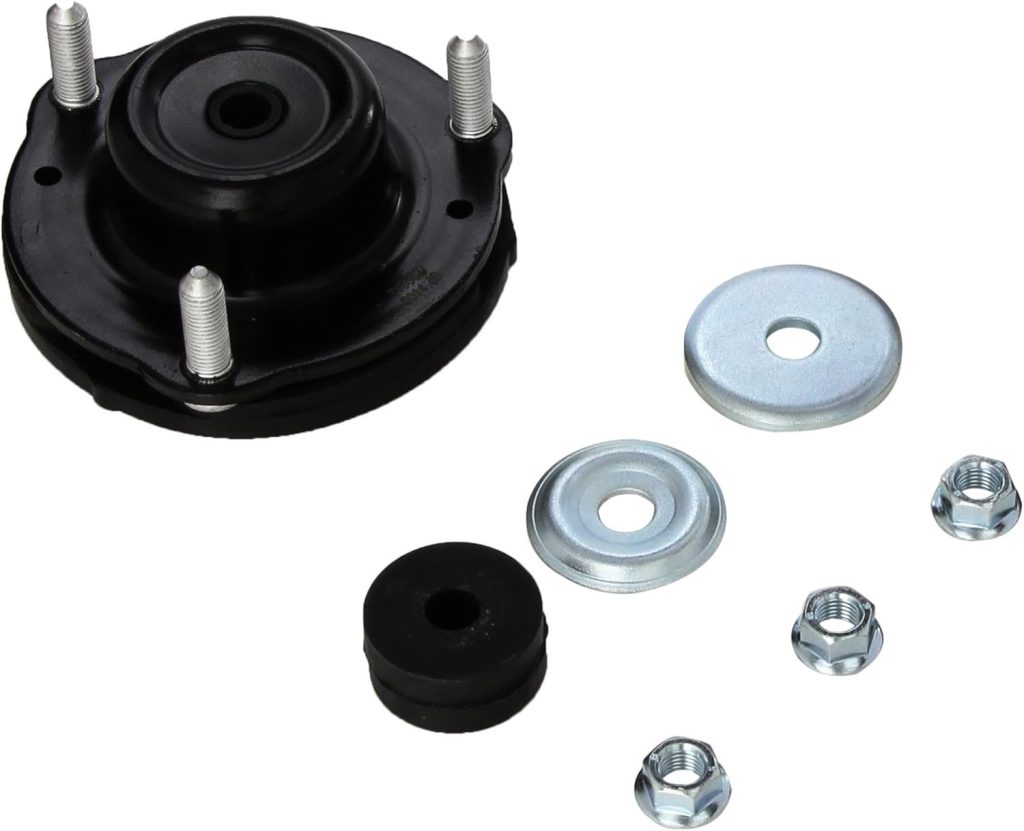
A $20 part can cost you up to $1,300 per axle when it fails.
A busted strut mount can cost you anywhere from $800 to $1,300 per axle to replace, yet the part itself barely nudges your wallet at around $20. These unsung heroes are crucial for bolting your struts to the car’s frame, acting like tiny shock absorbers for your shocks. Their rubber boots shield everything from road grit and vibration.
But that rubber can turn brittle from potholes, overtightened bolts, or even just frigid weather, leading to noises that sound like your car’s clearing its throat. Anyone who’s driven in a truly cold climate knows that morning clunk when you first pull out of the driveway—that’s often just the hardened rubber protesting. A quick spray of a rubber conditioner can keep that rubber supple, preventing premature wear.
5. Suspension Bolts
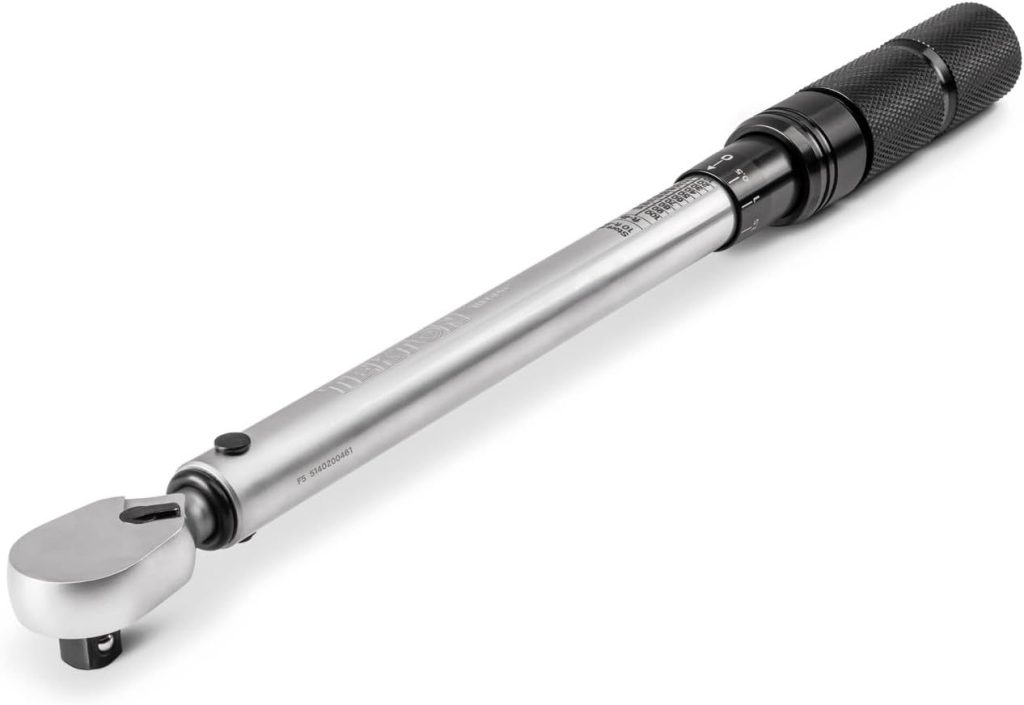
These critical fasteners can loosen 38% faster on rough terrain.
NASCAR teams know that vibrations are the silent saboteur of car parts, which is why they retorque hundreds of bolts before each race. Your own ride experiences similar jostling, and those critical suspension bolts can loosen up to 38% faster when you hit rough terrain. If left unchecked, this leads to worn bushings and ball joints, wonky alignment, and potentially dangerous situations.
A simple check and retorque, usually done during your tire rotation every 5,000 to 8,000 miles, is a small price to pay. When they loosen, it’s like the zippers on your favorite jacket slowly unzipping themselves, letting the whole thing sag and malfunction. This gradual slack can stress interconnected parts, leading to costly repairs that could easily snowball into thousands of dollars.
4. Tires (as Suspension Component)
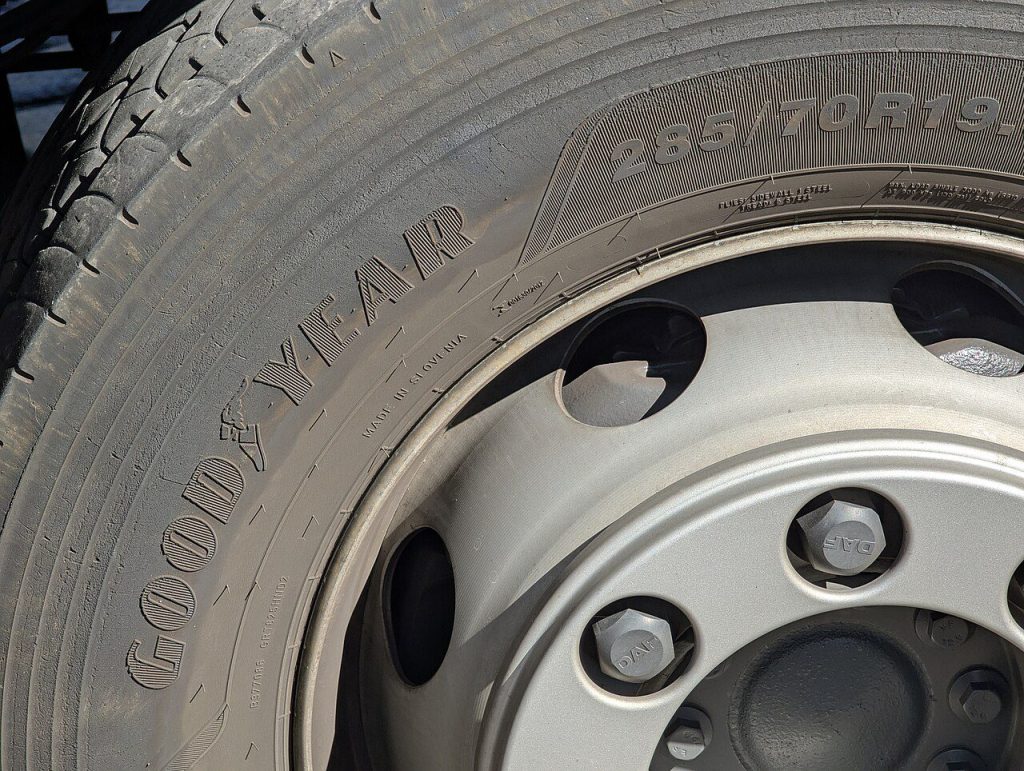
Underinflated tires crank up impact force by a staggering 35%.
Think of your tires as the first responders for every bump and pothole your car encounters. They’re not just for gripping the road; they’re designed to absorb the initial shock. Underinflated tires can crank up the impact force by a staggering 35%, turning a minor jolt into a full-on suspension assault. Worse, using the wrong tire size can slash your shock absorbers’ lifespan by 30%.
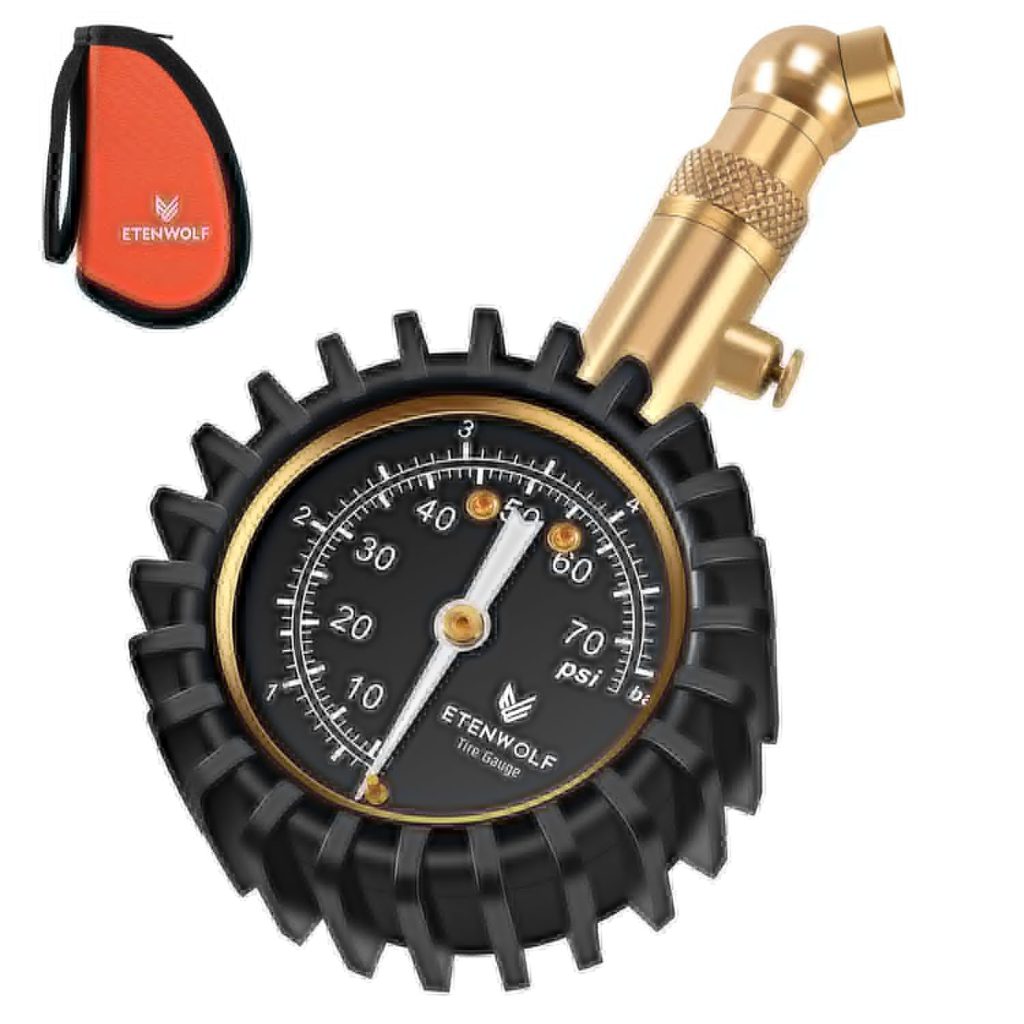
Keeping your tires happy is surprisingly simple and pays dividends for your whole suspension system. Ensure they’re filled to the PSI recommended on your door sticker (not the max pressure on the tire itself, that’s a trap!). A simple rotation every 8,000 miles can make them last longer. Neglect them, and you could accelerate overall suspension wear by 20%.
3. Road Salt (Corrosion)
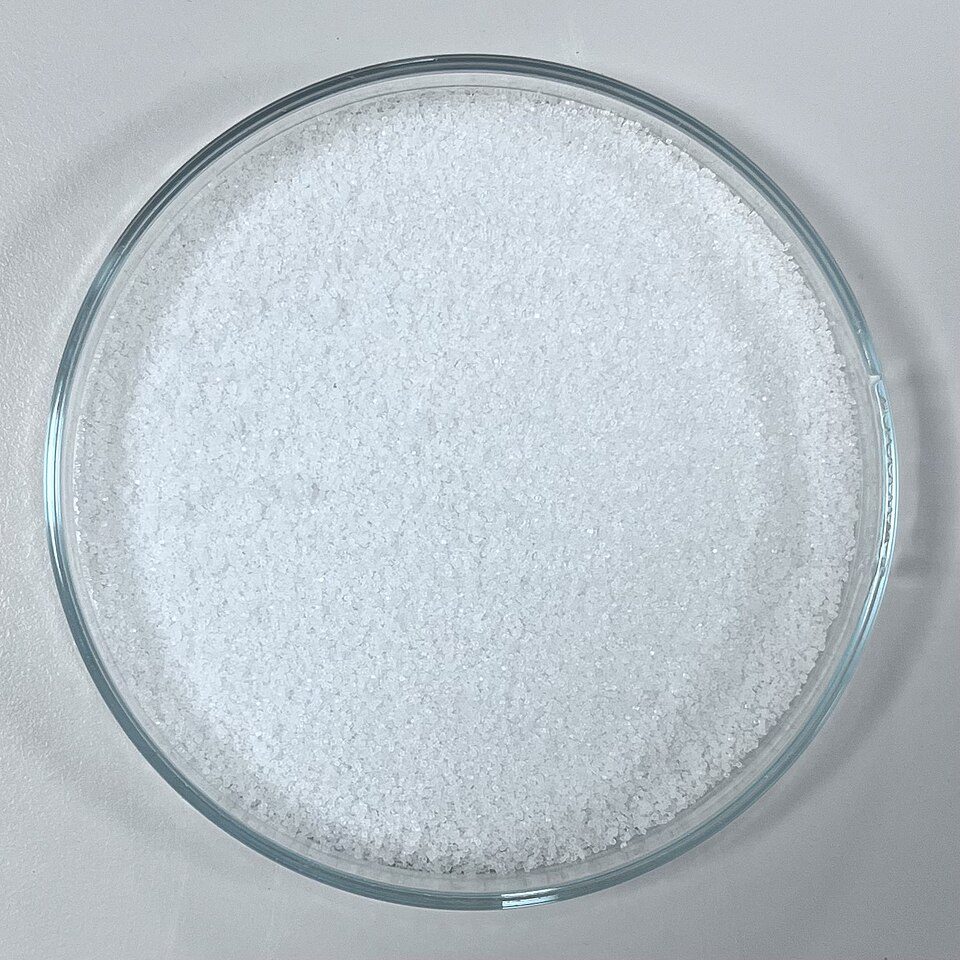
A weekly rinse can prevent thousands in corrosion-related repairs.
Road salt turns your car’s undercarriage into a microscopic buffet, accelerating rust through a nasty electrochemical reaction with moisture and oxygen. This corrosion can quietly eat away at suspension metals, potentially costing you thousands in repairs if ignored. That’s why a weekly rinse, especially if you live where roads resemble salt flats or ocean spray, is non-negotiable.
Using a pressure washer with a water broom—even if it’s just a $20 spin through a touchless wash—can prevent expensive damage by keeping brake lines and suspension components free of this corrosive sludge. While you might not see gaping holes immediately, salt particles cling to everything underneath your ride, creating tiny weaknesses that turn into rust spots bigger than your fist.
2. Replacement Parts (Suspension)
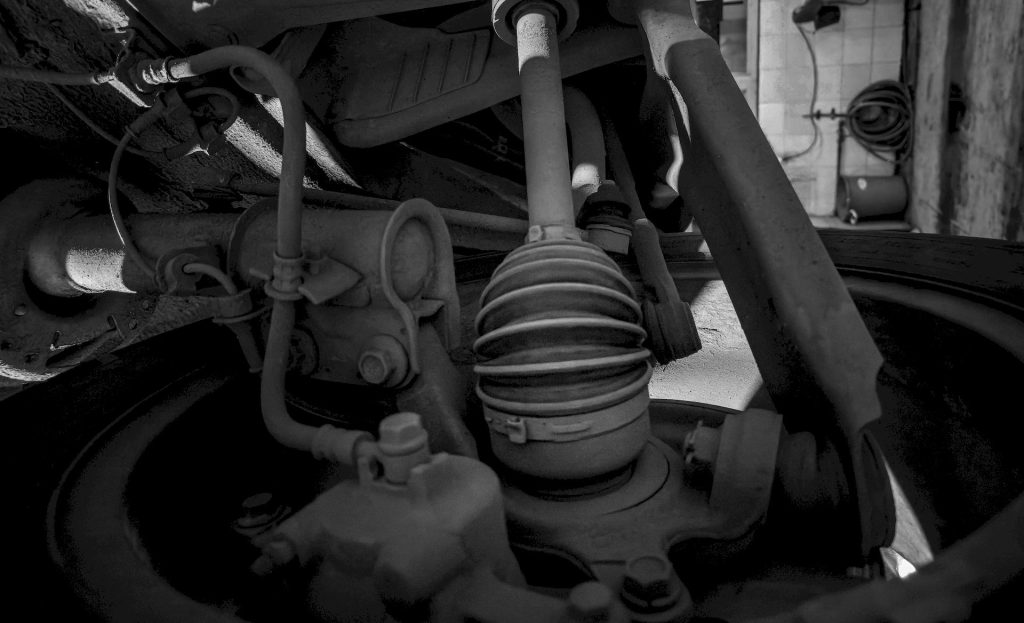
Bargain-basement parts often fit like a square peg in a round hole.
Cheaping out on suspension parts is like buying a fake designer handbag: it looks okay for a minute, then it falls apart and you look foolish. While an aftermarket ball joint might snag you for a mere $20, its Original Equipment Manufacturer (OEM) counterpart can run you a cool $200. That’s a huge difference, especially when 59% of Americans can’t swing a $1,000 emergency repair.
But here’s the kicker: those bargain-basement parts often fit like a square peg in a round hole, fail prematurely, and can trash other components, wiping out your initial savings faster than a bad Tinder date. You opt for the $20 ball joint to save some cash, it installs poorly, and a few months later, it fails during a pothole encounter. Now you’re dealing with alignment issues or worse—damaged tie rods and control arms.
1. Power Steering Fluid
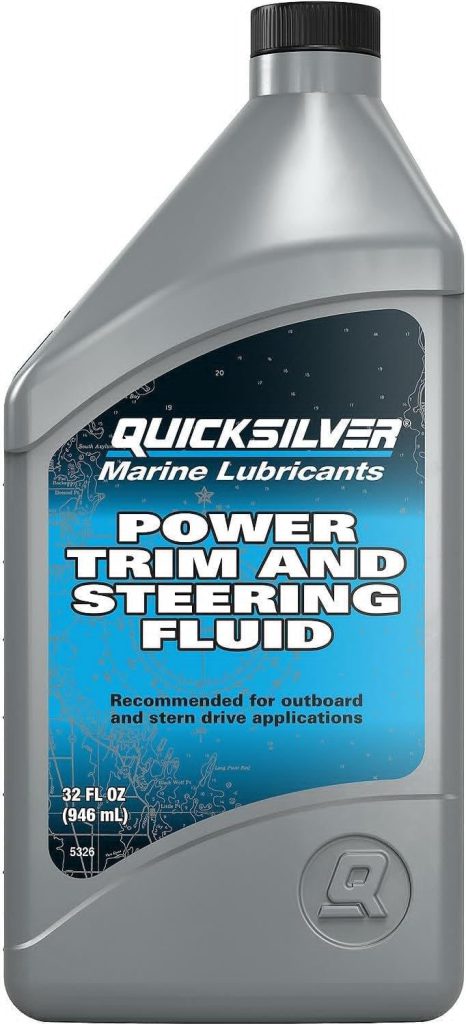
At 1,400 PSI, dirty fluid becomes liquid sandpaper for your system.
Neglecting your power steering fluid is like ignoring a leaky faucet in your kitchen; it might seem minor, but it can lead to expensive damage. This crucial fluid operates under pressures up to 1,400 PSI, lubricating and protecting components like tie rods and ball joints. If it gets low or dirty, it transforms into liquid sandpaper, eroding bearings and hoses faster than you can say “DIY disaster.”
A quick check every month and a change every three years or 50,000 miles (more if you hit dirt roads regularly) could save you thousands in suspension repairs. That dark, gritty fluid churning through your system isn’t just making your steering feel like wrestling a bear—it’s actively grinding down seals and bearings. Those microscopic metal shavings are like tiny bulldozers, carving up everything they touch.