This isn’t another overhyped tech promise destined for the graveyard of startup dreams. The real surprise happened on April 14, 2026, when Aptera co-CEO Steve Fambro discovered his three-wheeled solar EV was generating 363W in early morning light while his home’s rooftop panels managed a measly 136W. Your assumptions about solar efficiency just got flipped upside down, and the implications stretch far beyond morning coffee comparisons.
Surface Area Strategy Wins
Multi-angle solar capture beats fixed panels at their own game.
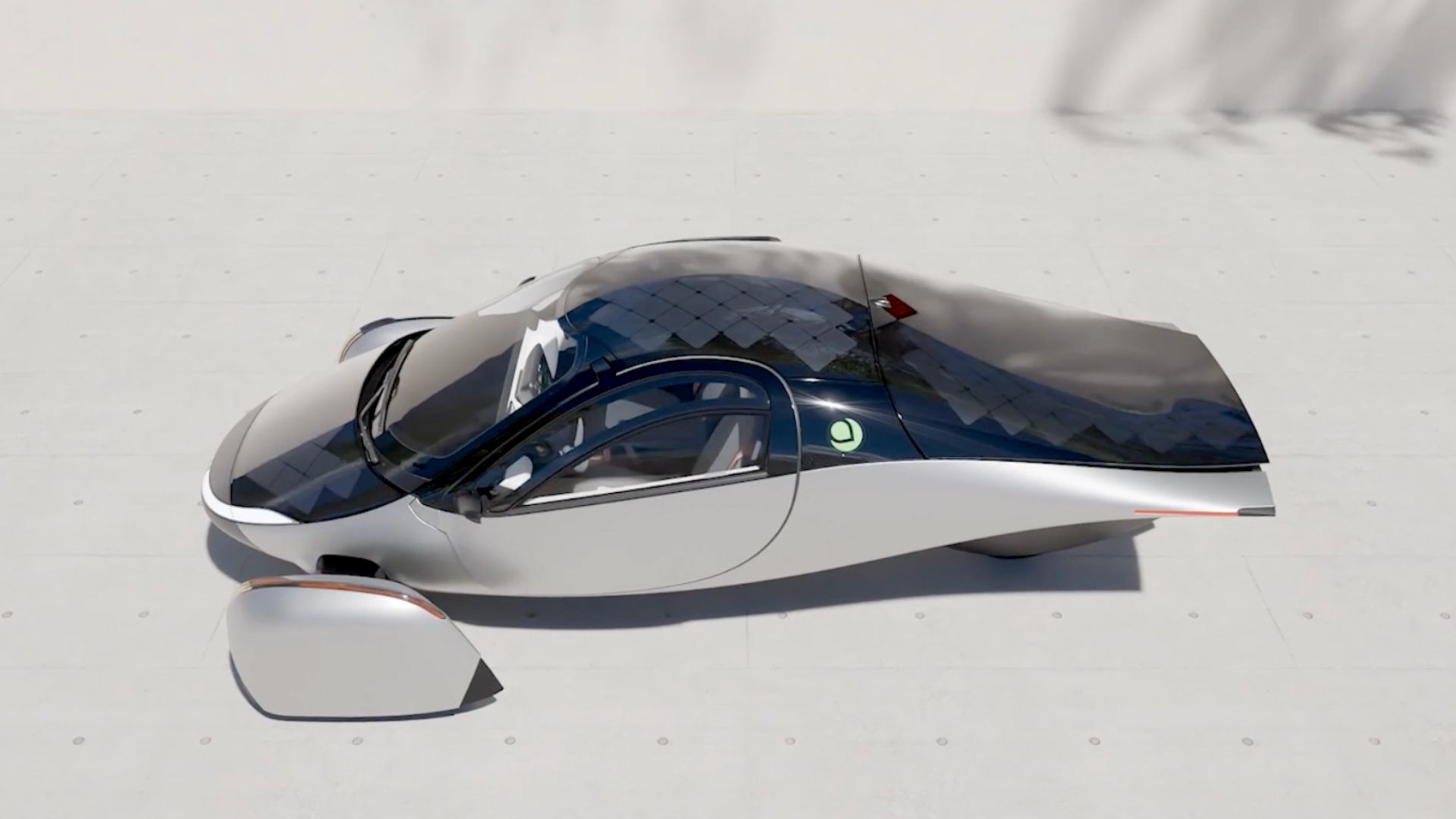
Fixed rooftop panels struggle with low-angle morning sunlight because they’re, well, fixed. Aptera’s engineers scattered solar cells across the hood, dashboard, roof, and rear hatch—creating a 700W system that captures photons from multiple directions simultaneously. Think of it like having Instagram stories running on every surface instead of posting once to your main feed. When the sun sits low on the horizon, traditional panels catch indirect light while Aptera’s surfaces grab direct rays from various angles. This distributed approach explains why Fambro’s vehicle outperformed his stationary home installation by nearly 3-to-1.
Real-World Range Revolution
Daily solar charging could eliminate plug-in anxiety for many commuters.
Those morning watts translate to serious range potential. Aptera targets 40 miles of daily solar driving in sunny conditions, powered by an ultra-efficient drivetrain consuming roughly 100 Wh per mile. For context, your Tesla Model 3 burns through 250 Wh per mile—making Aptera’s efficiency claims less Theranos fantasy, more actual physics. The company completed its first production-intent vehicle in March 2026, with validation testing confirming 360+ miles of battery range before solar contribution kicks in. That combination of battery capacity and solar generation creates a compelling proposition for sunny-region drivers.
Charging Infrastructure Disruption
Sunny-region commuters might skip the plug entirely.
If you’re driving 30 miles daily in Phoenix or San Diego, this solar setup essentially eliminates charging stations from your routine. The vehicle becomes a self-sustaining transportation pod, assuming you park outdoors and avoid week-long cloudy stretches. While three-wheeled EVs still feel like science fiction to most drivers, Aptera’s real-world testing suggests the future of urban mobility might involve fewer cords and more solar collection than anyone expected. Your daily commute could power itself while you work inside.