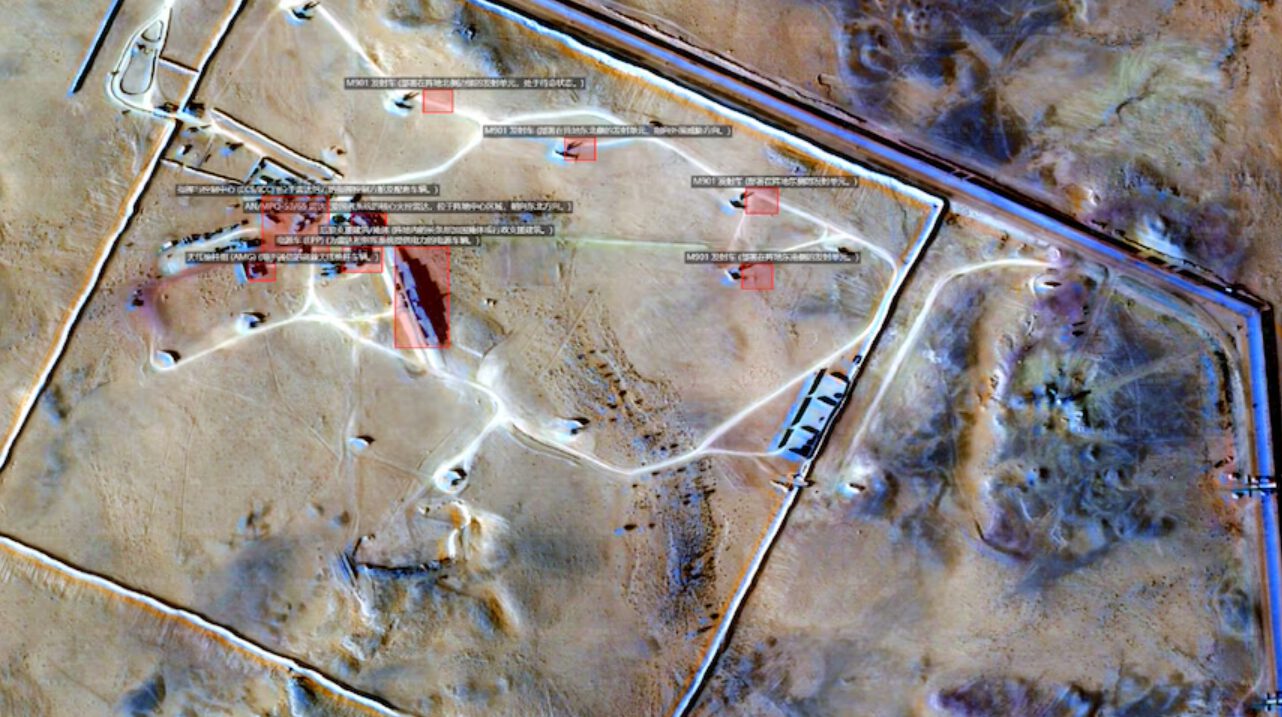
The IRGC Aerospace Force executed the space-age equivalent of upgrading from a potato-quality webcam to a 4K security system. Through an “in-orbit delivery,” they acquired China’s TEE-01B Earth-observation satellite—essentially buying a pre-launched satellite like ordering a used car online. This bird delivers 0.5-meter resolution imagery, making Iran’s homegrown Noor satellites look like they’re shooting through a foggy windshield with their 5-15 meter resolution.
Your smartphone camera captures more detail than Iran’s previous spy satellites. Now they can identify individual aircraft, vehicles, and infrastructure with military precision across the Middle East.
The Digital Paper Trail
March imagery shows US bases photographed before and after reported strikes.
The deal included remote access to China’s Emposat ground stations, letting Iranian operators control the satellite from thousands of miles away. Leaked documents reveal the scope:
- Prince Sultan Air Base in Saudi Arabia
- Muwaffaq Salti Air Base in Jordan
- US Fifth Fleet areas in Bahrain
- Erbil Airport in Iraq
All captured between March 13-15, timing that coincides with reported strikes on regional targets.
Think of it as Google Earth, but with real-time updates and military-grade zoom capabilities. China’s Earth Eye Co. officially markets these satellites for civilian uses like agriculture monitoring and emergency management. The reality? You don’t buy this level of surveillance tech to check crop yields.
When Civilian Tech Turns Military
Commercial space companies face growing scrutiny over military applications.
Direct IRGC participation—rather than Iran’s civilian space agency—signals clear military intent. Unlike Iran’s ground stations that Israel has successfully targeted, the distributed Chinese infrastructure complicates any retaliation strategy. As one former Western intelligence official told the Financial Times: “There is no way that any Chinese company could do something like launch a satellite without somebody in the administration giving it the go-ahead.”
This deal highlights the $10 billion Earth observation market’s growing dual-use problem. Commercial satellite companies worldwide now face tougher questions about export controls and end-user verification—because apparently, even space tech comes with terms of service violations.