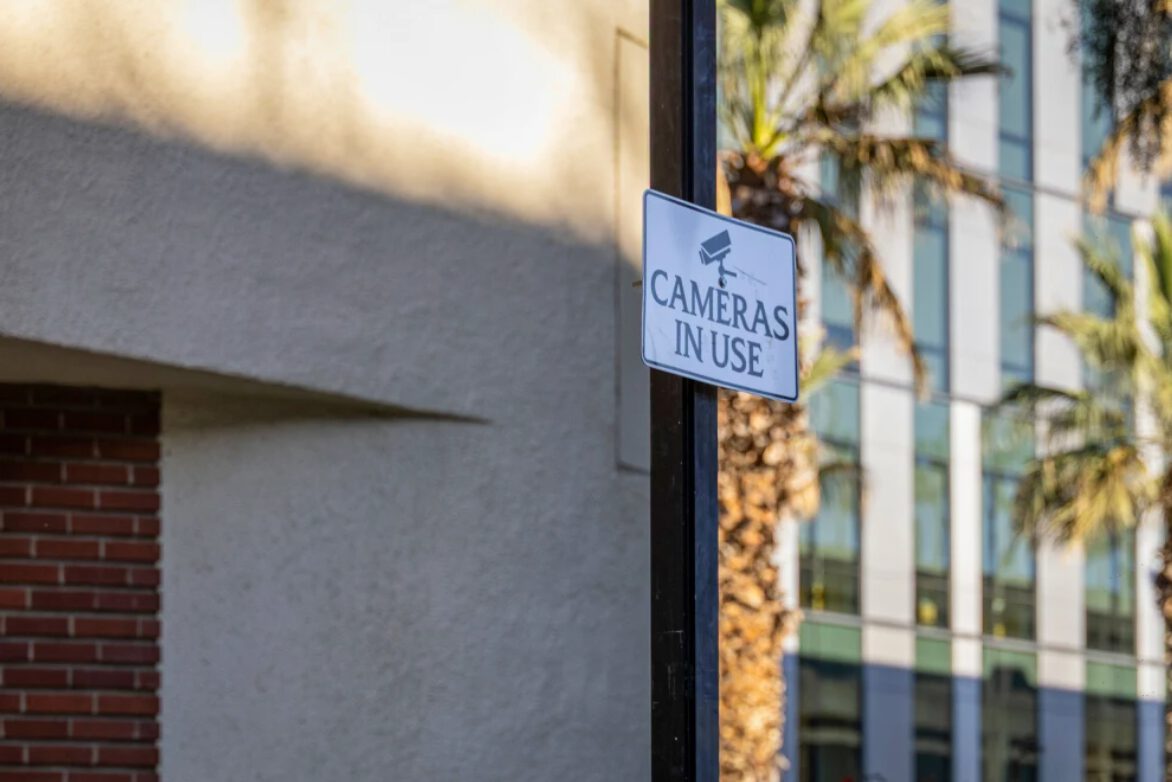
Your car becomes evidence the moment it hits San Jose’s streets. Nearly 500 Flock Safety cameras positioned throughout the city automatically scan every license plate that passes, capturing makes, models, and distinctive features like roof racks or bumper stickers. Strategic placement near immigration offices, hospitals, and hospices maximizes surveillance of sensitive locations where people expect privacy.
Three local drivers have filed a class-action lawsuit challenging this surveillance apparatus, claiming it violates Fourth Amendment protections and California’s constitutional privacy rights. The Institute for Justice-backed case targets both the city and police department, demanding either warrant requirements or deletion of images within 24 hours of capture. Meanwhile, separate suits from the ACLU, Electronic Frontier Foundation, and civil rights groups pile additional pressure on the program.
The cameras create a massive tracking network that reaches far beyond San Jose’s borders. “These cameras have the capability to generate data on virtually every route people take… police can piece together a lot about you,” explains Michael Soyfer from the Institute for Justice. The technology transforms routine errands into trackable patterns worthy of a Netflix surveillance thriller.
San Jose’s database shares information with hundreds of California agencies without requiring warrants, creating a statewide vehicle tracking network that operates without judicial oversight. Under pressure, the City Council shortened data retention from one year to just one month and restricted camera locations, but critics argue these tweaks miss the constitutional core issue.
“San Jose’s mass surveillance program violates the California Constitution,” declares Zahra Billoo from the Council on American-Islamic Relations’ Bay Area chapter. The outcome could reshape how cities deploy AI-powered surveillance tools, especially as neighboring Santa Clara County terminated its Flock contracts over digital IDs violations. For now, your morning coffee run remains permanently archived in police databases.