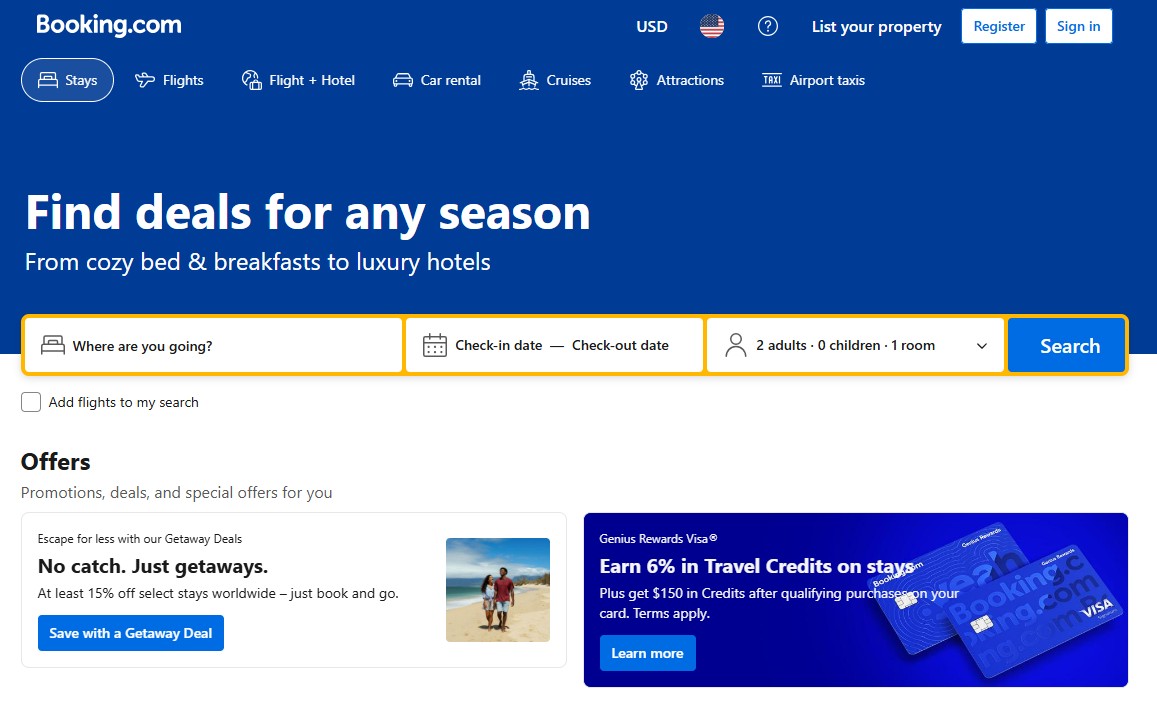
Criminal forums are selling your travel booking details for thousands of dollars, but Booking.com’s confirmed data breach reveals exactly how attackers monetize your vacation plans. The company reset PINs for affected reservations over the weekend after discovering unauthorized access to guest information, sending email notifications to users whose names, phone numbers, and hotel communications were compromised. No physical addresses were accessed according to a representative of Booking.com.
What Got Exposed
Your personal travel data is now circulating in criminal marketplaces.
Company spokesperson Sage Hunter stated that Booking.com “noticed some suspicious activity involving unauthorized third parties being able to access some of our guests’ booking information.” The company took immediate containment action, though no specific victim count was disclosed despite the platform serving hundreds of millions of customers across 30 million accommodations worldwide.
Your compromised data includes:
- Full names
- Email addresses
- Phone numbers
- Communications from hospitality providers
Some users received breach notifications via email but noticed no corresponding app alerts, creating confusion about the scope of exposure.
The Criminal Marketplace Behind the Attack
This breach feeds a sophisticated criminal ecosystem that’s been targeting travel platforms since 2022.
Cybersecurity firm Sekoia.io tracked how “threat actors then either sold the harvested credentials… or leveraged them directly to send fraudulent emails to hotel customers.” Criminal forums like LolzTeam and Exploit.in actively trade Booking.com credentials, with high-value accounts fetching up to $5,000.
One actor called “moderator_booking” claims over $20 million in earnings from these operations, expanding similar tactics to Expedia, Airbnb, and Agoda. They harvest hotel login credentials through malware, then use compromised accounts to send convincing phishing emails that mimic legitimate Booking.com communications.
Protecting Your Travel Data
Immediate action can prevent your booking information from becoming a criminal payday.
- Check your recent Booking.com emails for breach notifications and update your account password immediately
- Enable two-factor authentication if available
- Monitor bank statements for unauthorized charges since attackers often target banking information through follow-up phishing campaigns
Be suspicious of any travel-related emails requesting payment updates or asking you to “confirm” booking details, especially those creating urgency around cancellations or payment problems. These often lead to Cloudflare-protected fake sites designed to capture banking credentials.
The travel booking convenience that makes vacation planning effortless also creates honeypots for cybercriminals who’ve professionalized stealing your wanderlust data.
Update 4/15/2026: Article was changed to clarify that no physical addresses were accessed according to the company.