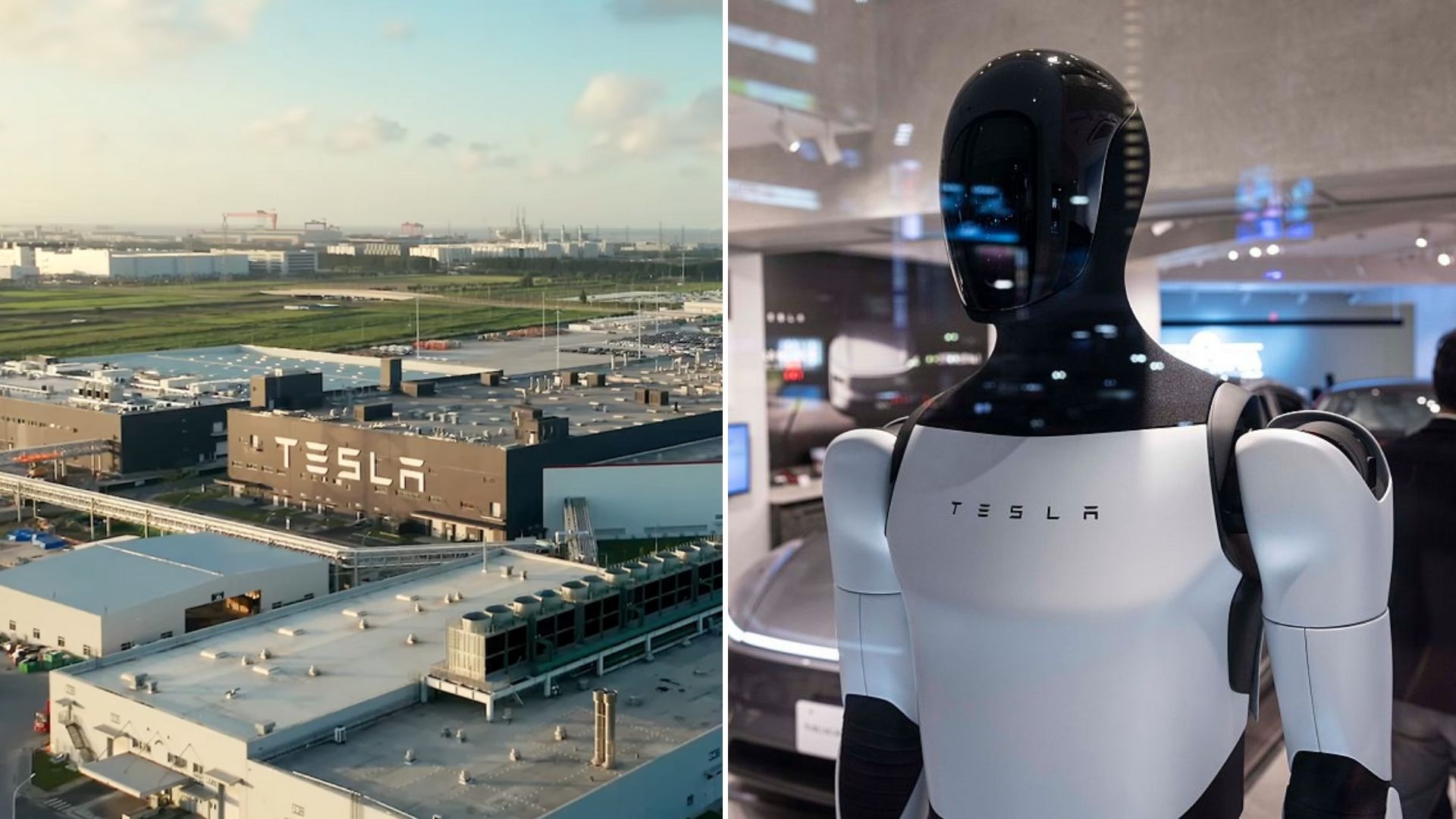
Manufacturing robots at Tesla’s Shanghai scale changes everything. Allan Wang Hao, Tesla China’s president, called the Gigafactory a “golden key” for mass-producing Optimus humanoid robots during a Tuesday briefing. When you’re already cranking out nearly a million vehicles annually, adding robots to the assembly line doesn’t require reinventing the wheel—just reprogramming it.
Why Shanghai Makes Sense for Robot Production
Tesla’s largest factory already has the infrastructure to build complex machines.
Shanghai Gigafactory produced 851,000 EVs in 2025, representing over half of Tesla’s global deliveries. The modular assembly lines, robotics infrastructure, and vertical integration that build Model Ys can adapt to construct Optimus units. You’re looking at 40+ degrees of freedom per robot, custom actuators, and the same FSD AI foundation that powers Tesla vehicles.
Wang Hao emphasized the facility’s readiness: “Like other Tesla factories, Giga Shanghai can shoulder important responsibilities in manufacturing all new products, including robots.” The transition from vehicles to humanoids leverages existing supply chains and manufacturing expertise without starting from scratch.
From Prototype to Mass Market Reality
Tesla’s robot ambitions face familiar scaling challenges despite manufacturing prowess.
Here’s where Tesla’s notorious timelines meet reality. Optimus targets $20,000-$30,000 pricing for household assistance and elderly care applications. The Shanghai announcement signals Tesla’s shift from EV-focused to AI-driven manufacturing.
Like the early Model 3 production hell, expect bumpy scaling before robots become as common as Ring doorbells. Tesla’s track record with ambitious launches suggests adding significant buffer time to any announced timeline.
What This Means for Your Living Room
Mass production could finally make humanoid robots accessible to regular consumers.
Shanghai’s proven capacity transforms humanoid robots from sci-fi curiosity to potential appliance. You might actually afford a robot that folds laundry and assists aging parents—if Tesla can navigate supply chain complexities and AI training challenges.
Wang Hao expressed confidence about “welcoming the arrival of a new era of robots,” but Tesla’s execution history with products like the Cybertruck suggests tempering expectations with realistic timelines.
The real breakthrough isn’t the technology—it’s leveraging automotive-scale manufacturing to crash robot prices. Whether that happens in 2026 or 2028 depends on Tesla executing better than they did with previous ambitious launches.