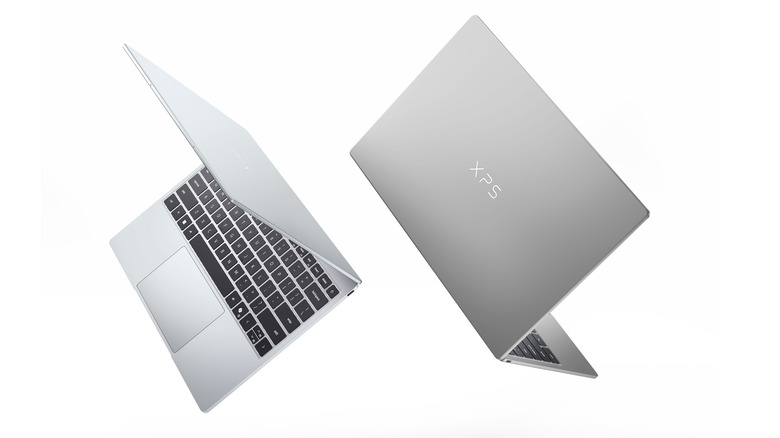
Dell’s new XPS 13, launching at $599 for students and explicitly targeting Apple’s MacBook Neo in what feels like the most aggressive ultraportable pricing move since the pandemic reshuffled everything.
Premium Design Meets Budget Reality
CNC-aluminum construction and flagship display tech arrive at sub-$700 pricing.
Dell isn’t cutting corners where you’d expect. The new XPS 13 maintains the line’s signature CNC-machined aluminum chassis while shrinking to just 2.2 pounds and 0.5 inches thick—making it the thinnest XPS ever built.
More importantly, every configuration ships with a 13.4-inch 2560×1600 touch display featuring 120Hz variable refresh rate, full DCI-P3 color coverage, and 500 nits brightness. That’s a spec sheet that would make $1,200 laptops jealous, delivered in a package that undercuts or matches the MacBook Neo’s pricing. Your video calls suddenly look sharper, scrolling feels fluid, and creative work gets the color accuracy it deserves.
The 8GB Elephant and Feature Wins
Base RAM disappoints, but backlit keyboard, biometric login, and 512GB storage sweeten the deal.
Here’s where Dell’s compromises show: the entry-level Core 5 configuration ships with just 8GB of soldered LPDDR5x RAM, which feels stingy in 2026 when Windows 11 loves memory. Power users will want the 16GB option.
But Dell counters with features the MacBook Neo charges extra for:
- A backlit keyboard comes standard
- Windows Hello facial recognition works out of the box
- 512GB of storage instead of Apple’s base 256GB
The missing headphone jack stings (seriously, Dell?), but the two USB-C ports are both high-speed, unlike the Neo’s mixed setup. Students juggling budget constraints will appreciate getting more storage and biometric security without upgrade fees, especially when managing computer problems that often arise.
Market Disruption in Aluminum
Dell’s premium brand goes mainstream to challenge Apple’s student dominance.
This pricing strategy represents Dell gambling the XPS brand’s premium reputation to grab market share from Apple’s education stronghold. The MacBook Neo’s tight ecosystem integration still appeals to iPhone users, but Dell’s hardware advantage—that gorgeous 120Hz display, aluminum build quality, and superior base storage—creates genuine competition at identical price points. Whether this cannibalizes Dell’s higher-end models or successfully converts Mac switchers will define ultraportable competition through 2027, particularly for users seeking versatile desk gadgets integration.