WindBorne Systems just pulled off something that should be impossible: their AI weather model reportedly beats the European Centre for Medium-Range Weather Forecasts by 8 to 24% across key metrics, according to the company’s own benchmarks. Think Netflix disrupting cable, but for atmospheric science. While government supercomputing centers burn through millions of dollars and massive energy budgets, this Palo Alto startup generates 14-day forecasts in 13 seconds on a single GPU. Your daily weather app might never be the same.
Smart Balloons Create Data Advantage
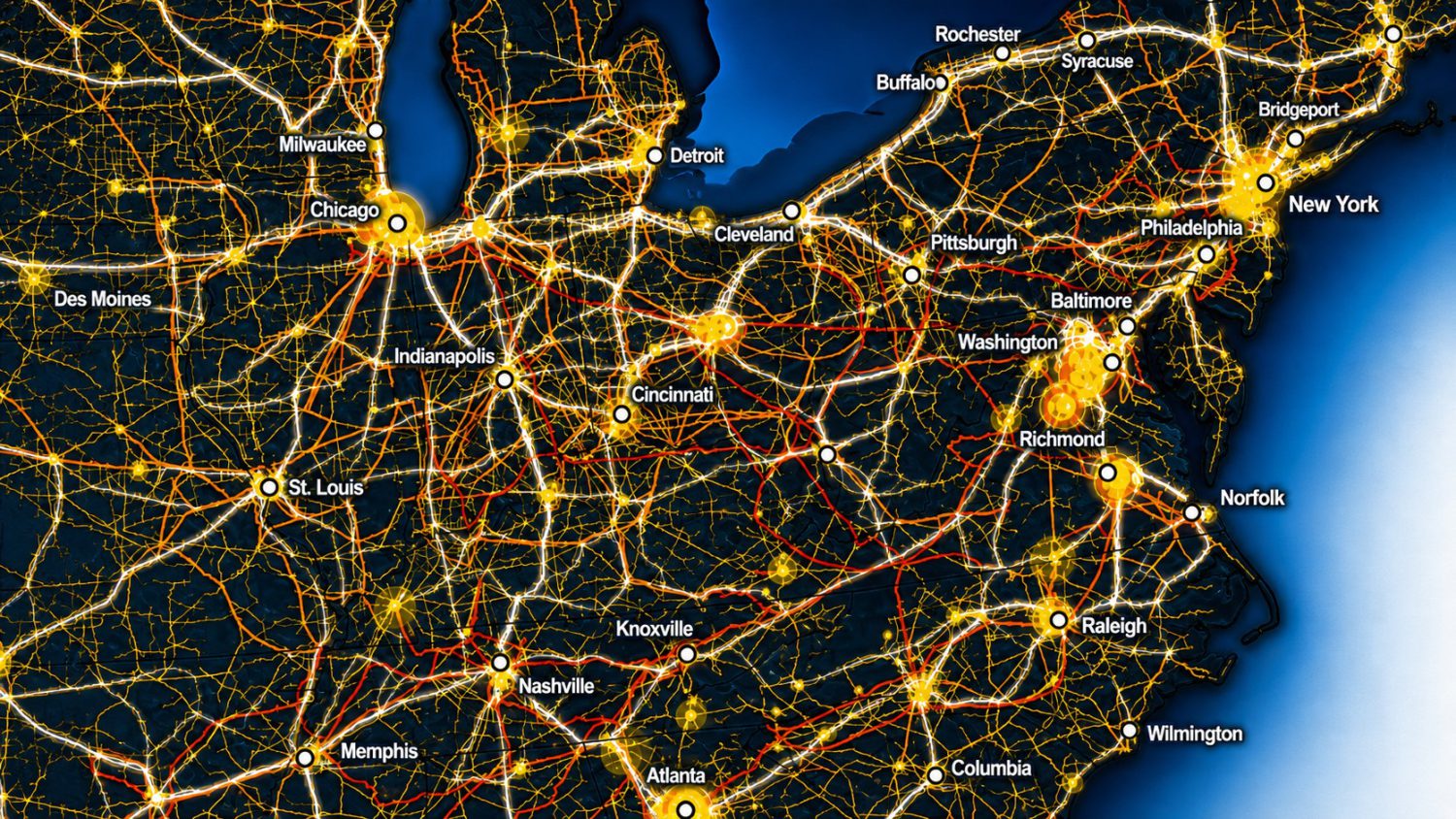
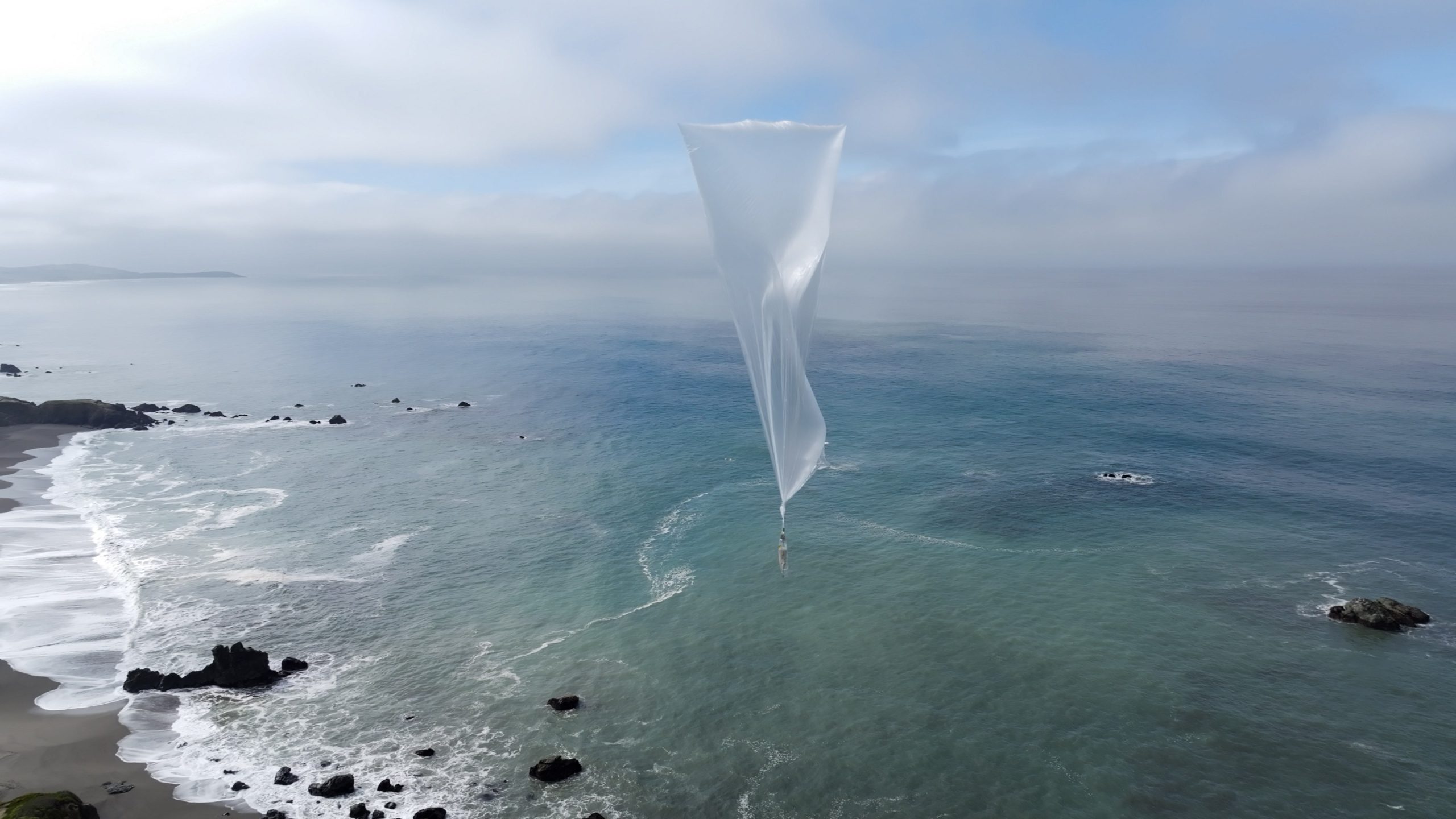
Hundreds of long-duration balloons collect atmospheric data where government networks can’t reach.
WindBorne’s secret weapon isn’t just better algorithms—it’s proprietary data nobody else has. Their constellation of smart balloons collects observations across vast ocean areas that traditional weather balloons rarely sample. This data feeds WindBorne’s WeatherMesh AI model with atmospheric measurements that ECMWF and NOAA simply can’t access. When your competition lacks the raw material, even the best physics models struggle to compete.
Speed Meets Accuracy in Real Time
WeatherMesh runs 143,000 times faster than traditional models while delivering superior precision.
The performance gap isn’t close, at least according to WindBorne’s testing. WeatherMesh-2 reportedly predicts temperature 19% more accurately than ECMWF’s flagship model at 10 days out, while updating forecasts every hour instead of every six hours. Traditional physics-based models require supercomputers running for hours; WeatherMesh generates a complete 10-day global forecast faster than you can order coffee. For traders betting on weather-sensitive commodities or utilities planning energy loads, those speed advantages translate directly into a competitive edge.
Government Agencies Become Unlikely Customers
NOAA and military branches now buy data from the same startup challenging their forecasting supremacy.
Here’s the plot twist: while WindBorne’s AI supposedly outperforms government models, those same agencies are buying WindBorne’s balloon data. NOAA, the Air Force, and the Navy all purchase atmospheric observations to improve their own forecasts. It’s like Apple selling chips to Samsung while competing in smartphones. WindBorne discovered that being both competitor and supplier creates a sustainable moat—even if agencies develop better AI models, they’ll still need WindBorne’s unique global dataset.
Validation Questions Remain Open
Independent verification will determine whether startup claims hold up under scientific scrutiny.
Smart money stays cautious. WindBorne’s benchmark results come from their own testing, not independent peer review. Traditional weather centers are rapidly developing AI-hybrid approaches that could close performance gaps. The real test comes when extreme weather events—hurricanes, heat domes, polar vortex collapses—challenge these models beyond normal conditions. Your forecast accuracy matters most when the weather turns dangerous, and that’s where proprietary algorithms face their ultimate validation.