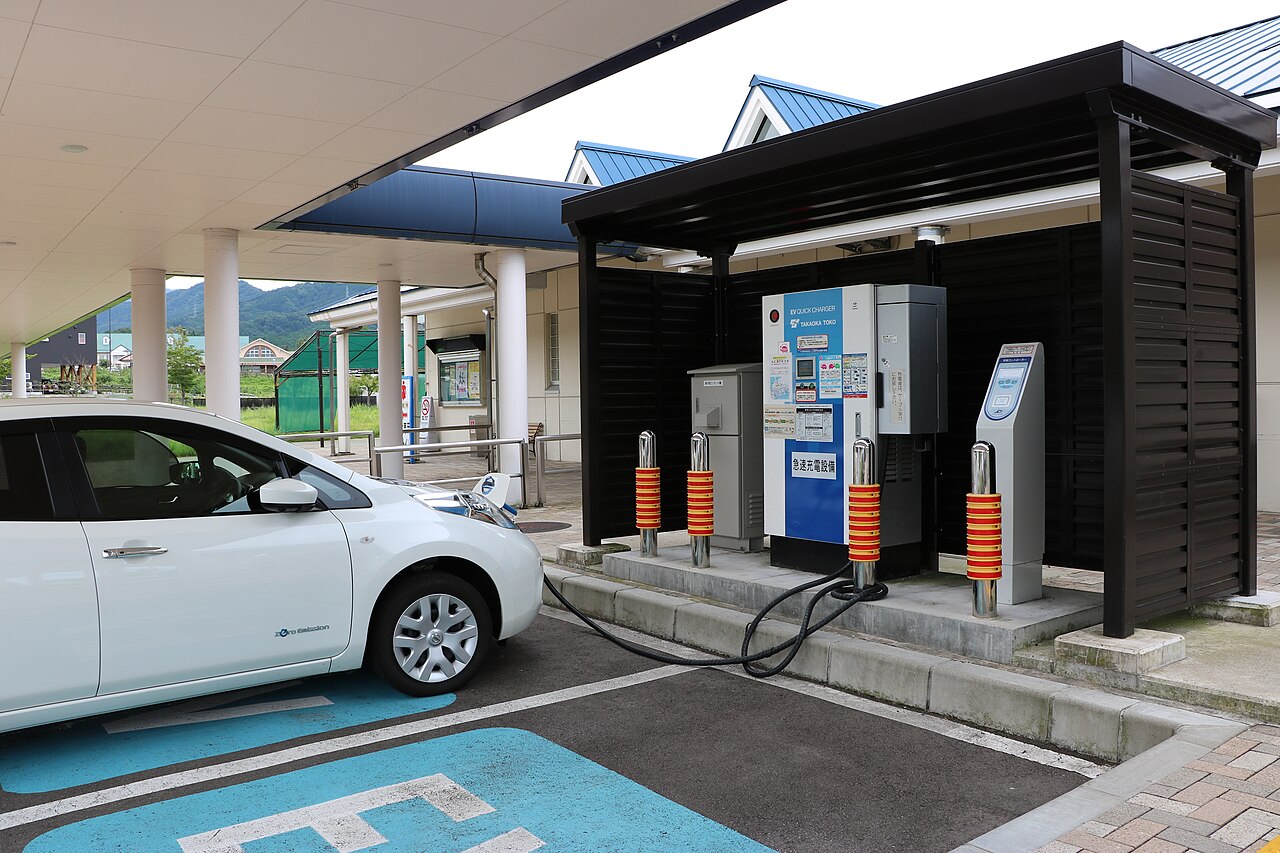
Fake QR codes at charging stations now harvest payment data faster than you can say “range anxiety.” Ghost stations listed on apps promise juice but deliver nothing except wasted detours. Meanwhile, legitimate networks slap you with surge pricing that makes Uber’s worst night look reasonable. Smart EV owners have had enough—they’re building reliable range through home setups, community networks, and physics-based efficiency tricks that bypass the corporate charging circus entirely.
Home Charging Beats Highway Robbery
Level 2 chargers deliver $0.10/kWh overnight rates while avoiding scam risks entirely.
Your garage becomes your fortress with a 240V Level 2 charger scheduled for off-peak hours. Public stations hit you with dynamic pricing surges up to 50% during peak demand. Home charging eliminates that uncertainty while protecting your payment data from skimming devices lurking at public stations.
Solar integration amplifies the savings—panels generate roughly 20-30 miles of daily driving range while building grid independence that scammers can’t touch. Portable power banks serve as emergency backup, ensuring you never get stranded at a mysteriously non-functional station that exists only to waste your time.
Community Networks Skip the Corporate Markup
PlugShare’s fixed pricing and verified locations eliminate surprise fees and fake stations.
Co-op charging networks offer transparent rates around $0.25/kWh while corporate chains deploy surge algorithms that punish peak usage. PlugShare’s community reports reveal real-time availability and authentic pricing, helping you avoid the ghost stations that exist only in apps.
Stick to official network apps instead of scanning random QR codes—those tampered stickers hide phishing sites designed to clone your credentials. RFID tags and contactless payments provide additional protection against card skimmers targeting desperate drivers at isolated stations.
Physics Hacks Extend Range Without Charging
Battery preconditioning and regenerative braking optimization deliver efficiency gains that reduce charging dependency.
Your EV’s GPS system can precondition the battery during travel, reducing charging resistance by up to 30%. Maximizing regenerative braking through proper technique recovers energy that would otherwise disappear as heat, extending your range between stops.
Open-source routing apps like OsmAnd factor elevation changes and wind patterns to boost efficiency by 15%—turning your commute into a hypermiling game that saves both range and charging stops. These tactics work regardless of which network you eventually choose.
Scammers exploit EV adoption growing pains, but these owner-driven solutions prove independence beats dependence on unreliable infrastructure. The future belongs to drivers who control their own charging destiny through home systems, community partnerships, and efficiency mastery that makes corporate networks increasingly optional rather than essential.