ChatGPT and Gemini Advanced, both at $20 a month, promise AI superpowers, but who actually wins when the rubber meets the road in 2026? Choosing the right platform can feel like picking a side in the streaming wars: endless options, each with its own fanbase. We’ve pitted these AI titans against each other in reasoning, coding, creativity, and even handling multimedia, because let’s face it, your AI should be as versatile as your meme collection. It’s time to see which one earns its keep and which one is just another flash in the pan.
4. ChatGPT
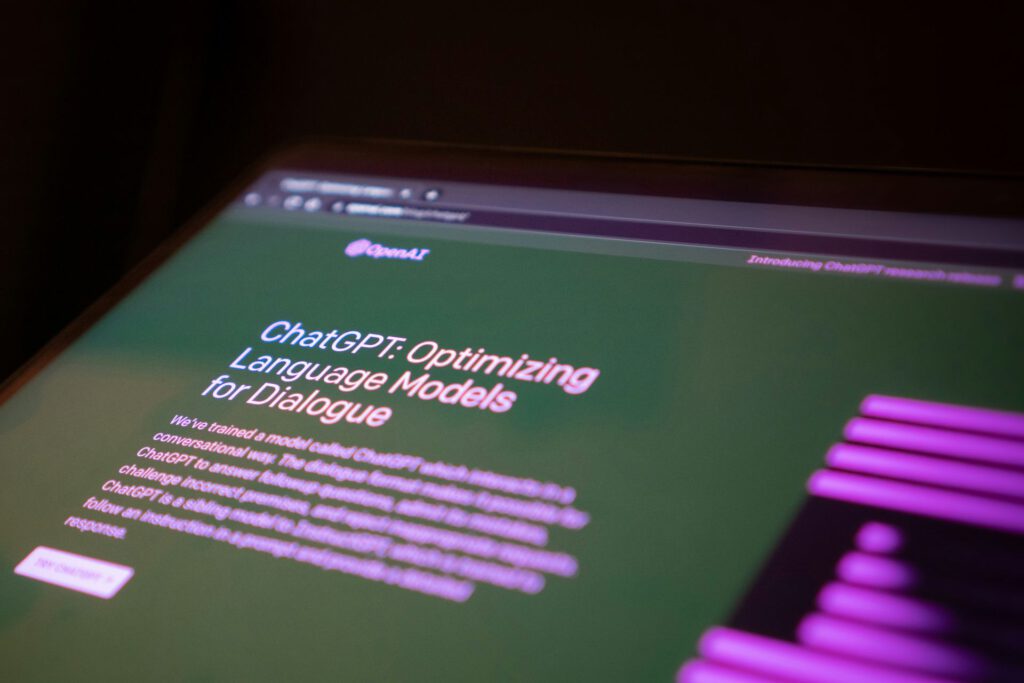
When you need a wordsmith that never sleeps, ChatGPT delivers the goods.
Content creation has exploded, and ChatGPT shines brightest in text-based work, where it’s like the office wordsmith that never sleeps. Its strengths in long-form responses and complex reasoning mean it doesn’t just spit out words; it crafts arguments with actual structure and flow.
Need some code for a practical solution or a creative piece written? Consider it handled. For coding, it’s like having a nerdy friend to debug your nightmares; for creative writing, it’s that colleague who always knows the right thing to say. With its knack for data analysis and human-like language understanding, ChatGPT seriously boosts productivity, making even complex reports seem manageable.
3. Gemini Advanced

Google’s multitasking marvel handles everything you throw at it without breaking a sweat.
Anyone ever tried juggling chainsaws while solving a Rubik’s Cube? Probably not, but that’s the kind of multitasking Google’s Gemini Advanced is built for. Where other AI tools tap out trying to wrangle different data types, Gemini steps up, processing text, images, audio, and video simultaneously.
It’s like that friend who can manage the aux cord, navigate, and still tell a coherent story, all without crashing the car. Imagine a marketing team drowning in customer feedback from surveys, social media, and call transcripts. Gemini Advanced, armed with its massive context window of up to 1 million tokens, could sift through that mess faster than you can say “actionable insights.”
Plus, with real-time data access via Google Search and seamless integration with Google Workspace—Docs, Gmail, the whole shebang—it’s like having a super-powered intern who doesn’t need coffee breaks or weekend recovery time.
2. ChatGPT and Gemini Pricing
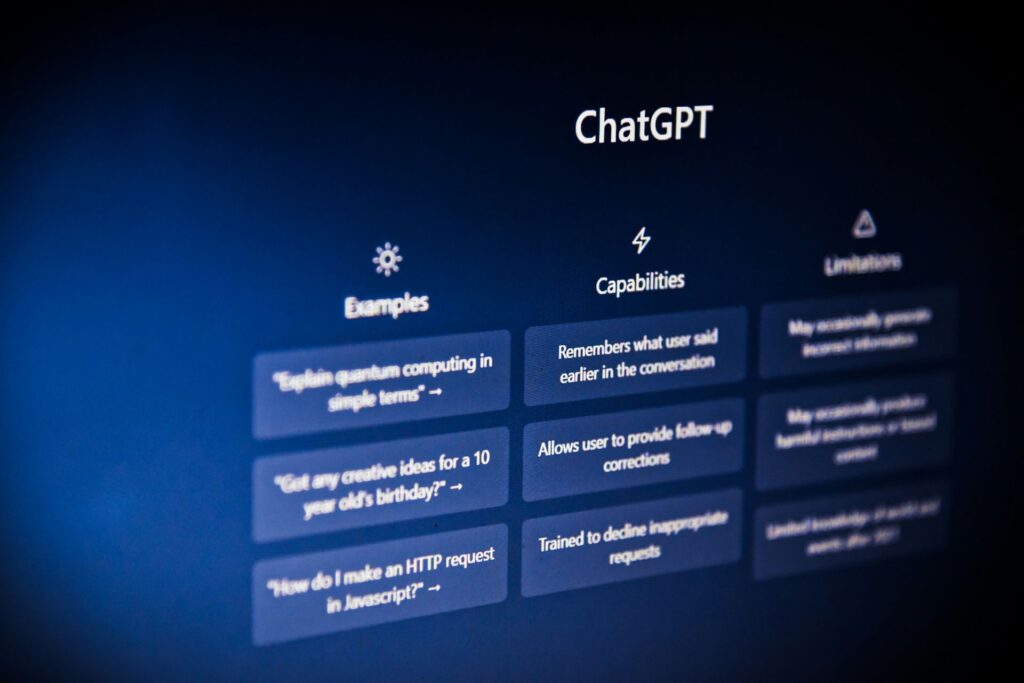
Both cost the same, but your workflow determines which one’s worth the subscription.
AI tools are now as essential as a decent espresso machine for content creators, and two names dominate: ChatGPT and Gemini. Both ask a cool $20 a month for their premium plans, but deciding which one’s your shot of choice boils down to your workflow and ecosystem preferences.
ChatGPT, the original conversation starter, is your go-to if you’re crafting witty banter or building custom AI sidekicks—those custom GPTs that can be tailored for specific tasks. Gemini, however, thrives in large-scale automation and plays exceptionally nice with the Google ecosystem. If you live and breathe Google Docs and Gmail, Gemini is basically the office golden child that makes everything flow smoother.
1. ChatGPT vs Gemini: Creative Tasks

For creative juice, ChatGPT brings the spark while Gemini delivers the analysis.
AI in artistic expression has come a long way, and when you’re trying to whip up some killer marketing slogans or creative content, ChatGPT tends to be the funnier, more imaginative friend. It excels at code debugging and creative writing tasks that require personality and flair.
Gemini? Solid for analytical work, but sometimes leans a little too “business conference keynote” and not enough “Super Bowl ad.” However, Gemini clearly wins in visual analysis tasks, making it perfect for processing images, charts, or multimedia content that needs interpretation.
While both can occasionally hallucinate in edge cases, ChatGPT seems better suited for creative workflows, while Gemini shines when you need concise research responses and multimodal processing power. Pick your champion based on whether you’re crafting the next viral campaign or analyzing complex visual data.