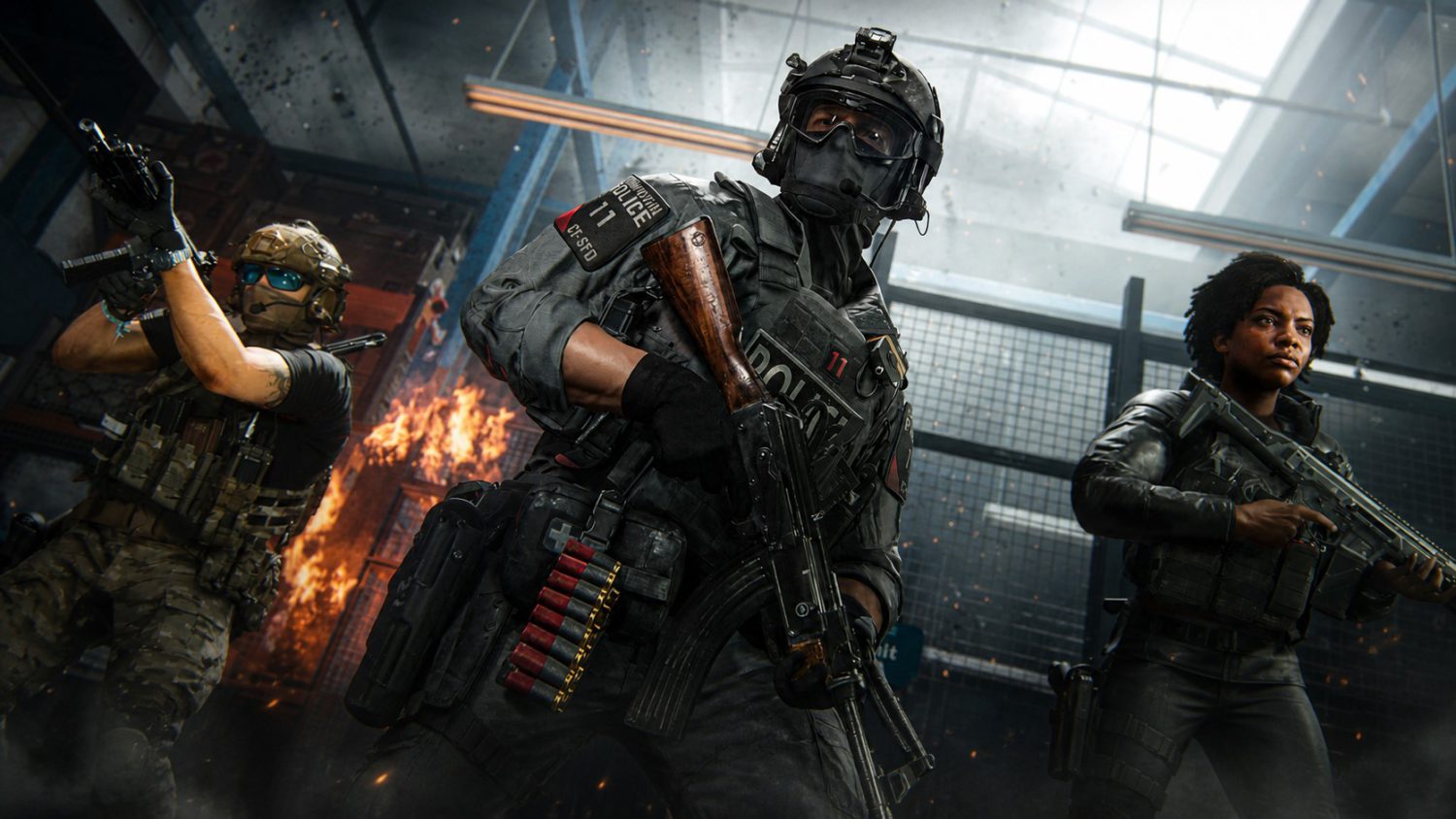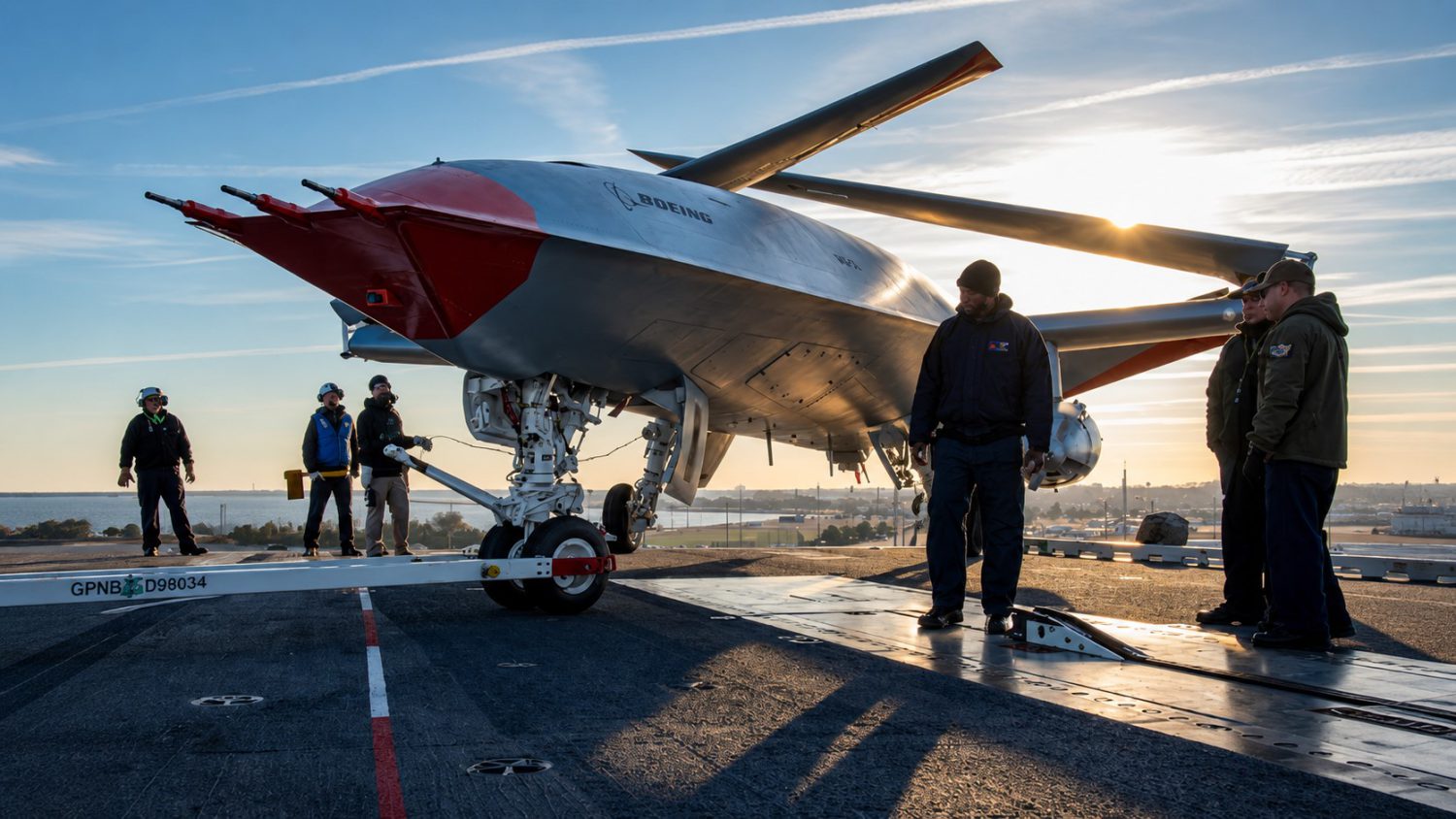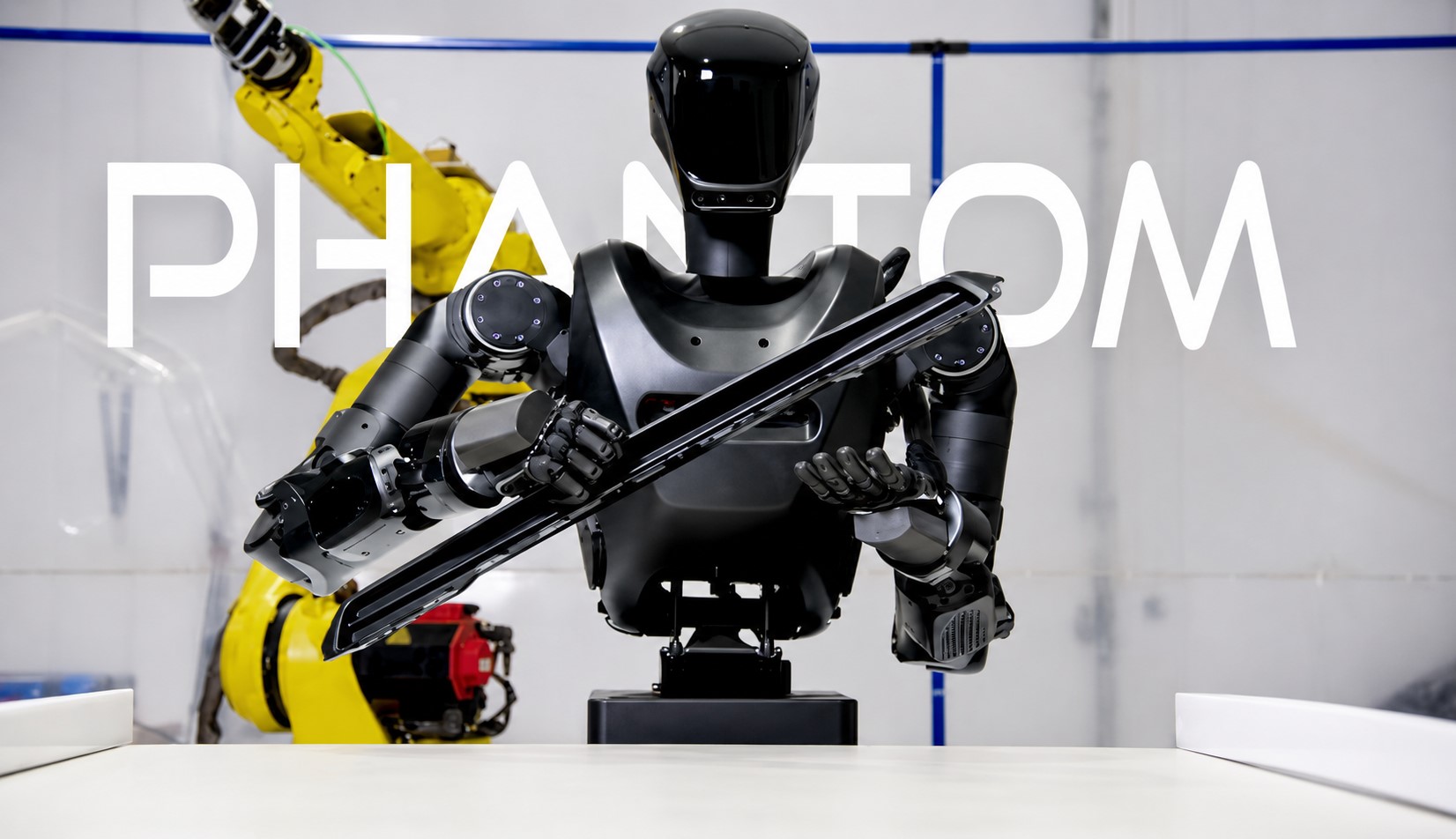
In February 2026, two humanoid robots entered a Ukrainian war zone carrying supplies through chokepoints where snipers and drones had made the trip lethal for humans. The robots belonged to Foundation Future Industries, a two-year-old San Francisco startup whose CEO Sankaet Pathak has publicly declared his mission is building an “all-American robot supersoldier.” Not a warehouse helper. Not a hotel greeter. A soldier. The ambition is staggering, the politics are radioactive, and the hardware still struggles on rough terrain.
Pentagon Money, Trump Name, and a $24 Million Question
The headline contract figure starts to crumble under scrutiny.
Multiple outlets have reported Foundation “landed” roughly $24 million in Pentagon contracts. According to WIRED, when pressed for details, Foundation pointed to contracts inherited from its acquisition of Boardwalk Robotics and research funding routed through partner IHMC — not deals the company independently won. Eric Trump, investor and chief strategy adviser, appeared on Fox Business calling Phantom “a very beautiful thing.” Democrats have labeled the arrangement “corruption in plain sight,” though evidence so far centers on optics rather than proven procurement violations.
Most humanoid startups avoid military branding like a third rail. Foundation grabs it with both hands. Pathak’s roadmap moves from non-lethal “first body in” roles — door-breaching, surveillance — to eventually mounting guns and grenades. He reportedly told WIRED that lethal capabilities are coming “soon,” referencing “kinetic things” the company is exploring. That phrasing deserves scrutiny: “kinetic things” is the defense industry’s standard euphemism for lethal force.
What Phantom Can (and Can’t) Do Right Now:
- Phantom MK1 stands 5’9″, weighs about 180 pounds, and navigates stairs and standard doorways
- Two units were tested in Ukraine for supply logistics; a Ukrainian defense outlet assessed “limited suitability” for full battlefield deployment
- The upcoming MK2 will add waterproofing and dustproofing — a basic outdoor requirement the current model reportedly lacks
- Production targets of 10,000 units in 2026 and 50,000 by 2027 remain aspirational at best
The Gap Between the Demo Reel and the Battlefield
Robotics pioneers say the timeline for reliable combat humanoids stretches decades, not months.
Pathak reportedly dismisses doomsday fears as “very, very overblown,” but the field’s heavyweights disagree sharply on timeline. Rodney Brooks, MIT emeritus and robotics pioneer, estimates more than a decade before humanoids operate reliably in unfamiliar environments — then at least another decade from solid lab demo to initial deployment. IHMC’s Robert Griffin flags unresolved challenges in perception, navigation, and manipulation under hostile conditions. Marketing footage often blurs the line between true autonomy and remote teleoperation. Still, one anonymous roboticist told WIRED that using humanoids as first entries through doors “makes a lot of sense” and is “so close to feasible” they are surprised it hasn’t happened yet. In other dangerous environments, robots slither through debris to locate survivors, hinting at the range of real-world deployments already underway.
Pathak argues robot soldiers could reduce collateral damage compared to hypersonic missiles and airstrikes — a point worth considering honestly. Critics counter that expendable robots lower the political cost of starting or prolonging conflicts, removing one of the few human restraints on military escalation. International frameworks demand “meaningful human control” over lethal decisions, and Foundation’s approach — testing weaponization in Ukraine while restricting U.S. pilots to non-weapon tasks — reveals exactly how those norms get stretched before anyone formally rewrites them.
The policy architecture governing autonomous weapons was built before humanoid combat robots existed as a credible category. Foundation may be early, overhyped, or politically compromised — but the category it represents is not disappearing. The more urgent question is not whether robot soldiers arrive, but who is held accountable when they make the wrong call, and under what legal framework that accountability is even possible.