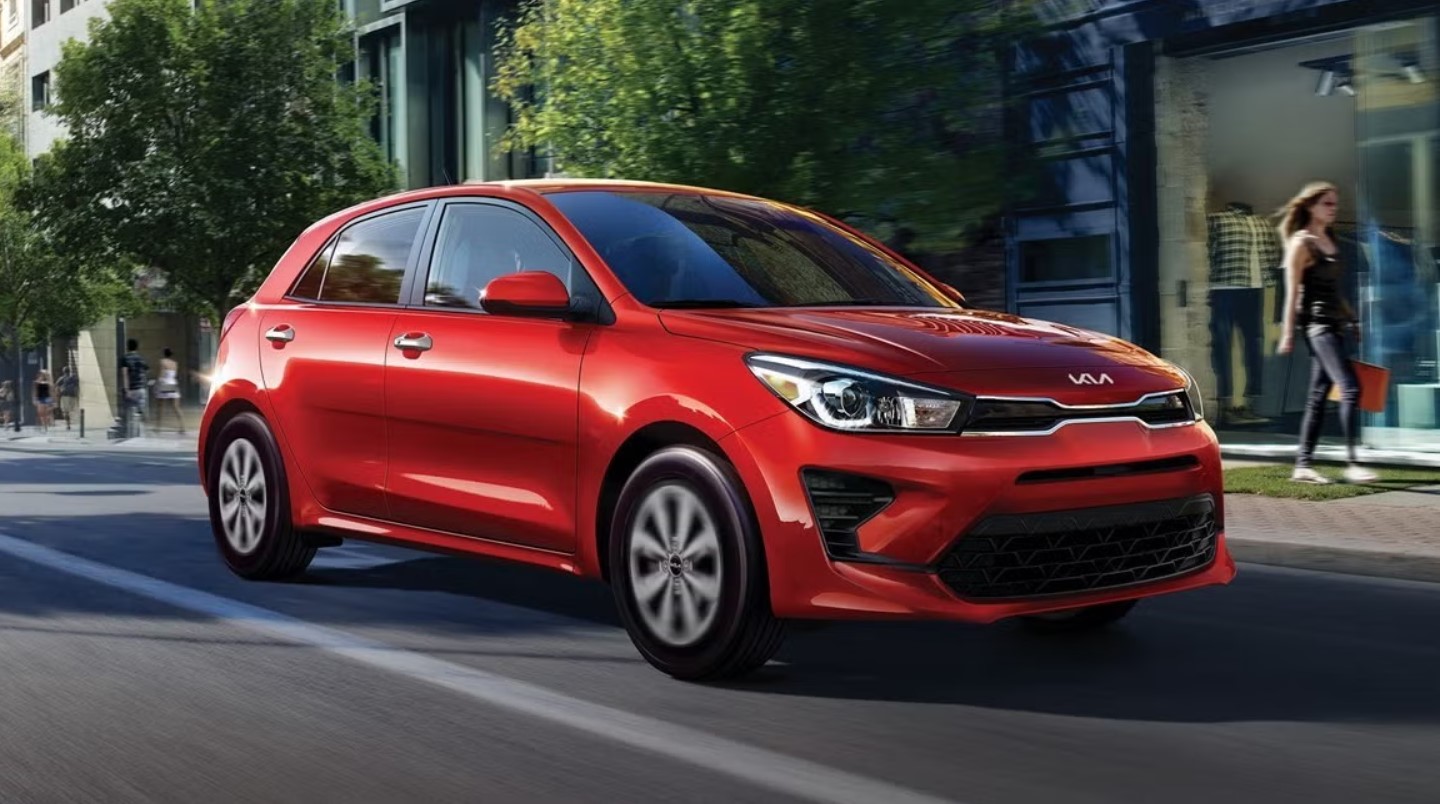
At 170 driver deaths per million registered vehicle-years, the Kia Rio sits atop the latest IIHS analysis like nobody asked it to. The study, covering 2021 through 2024 data for vehicles from the 2023 model year or earlier, found that smaller-than-average and sportier-than-average vehicles consistently posted the highest driver fatality rates. The cars you grab for a budget commute or a weekend adrenaline hit are, statistically, the ones carrying the greatest risk of a fatal crash for the person behind the wheel.
The rest of the list reads like a casting call for every Fast and Furious sequel that went straight to streaming. According to IIHS:
- Chrysler 300 and Dodge Challenger variants — 132, 127, and 125 deaths per million registered vehicle-years
- Kia Forte — 120
- Nissan Altima — 105
- Chevrolet Camaro — 88
These aren’t exotic outliers — they’re fixtures of rental lots, college parking decks, and Craigslist ads everywhere. Owners looking to save hundreds on upkeep will find these models common candidates for DIY maintenance.
“Sports cars and muscle cars are especially dangerous because of how they are driven,” IIHS president David Harkey said. Small cars, he explained, simply lose when they collide with heavy SUVs and large pickups. Muscle cars carry a different kind of risk: driver behavior. The fatality risk for a Camaro stems largely from how it gets driven, not from structural weakness.
Bigger Vehicles, Safer Drivers — Deadlier for Everyone Else
Large SUVs and pickups protect their own occupants well, but the report’s new other-driver death metric reveals a serious risk they pose to everyone else on the road.
On the safer end, 18 of the 20 models with the lowest driver death rates were large vehicles, according to IIHS. Six recorded zero driver deaths — the Audi Q7, BMW X7, Chevrolet Tahoe, Mercedes-Benz GLB-Class, and Toyota Tundra among them. IIHS researchers noted that luxury vehicles also benefit from older, more experienced drivers with different mileage and behavior patterns. Size buys safety. So does wealth.
The report also introduced a new metric: other-driver deaths, measuring fatalities among occupants in vehicles struck by each model. The Ram 3500 Crew Cab posted 204 other-driver deaths per million registered vehicle-years. Pickup trucks filled 10 of the top 20 slots in that category. Large trucks offer strong protection to their own drivers while providing far less protection to occupants of the vehicles they strike.
For anyone shopping a vehicle right now, this report reframes the decision entirely. Body style and typical driving behavior may matter more than brand reputation or crash-test star ratings. Your vehicle choice isn’t just a lifestyle statement — the data suggests it functions as a survival calculation.