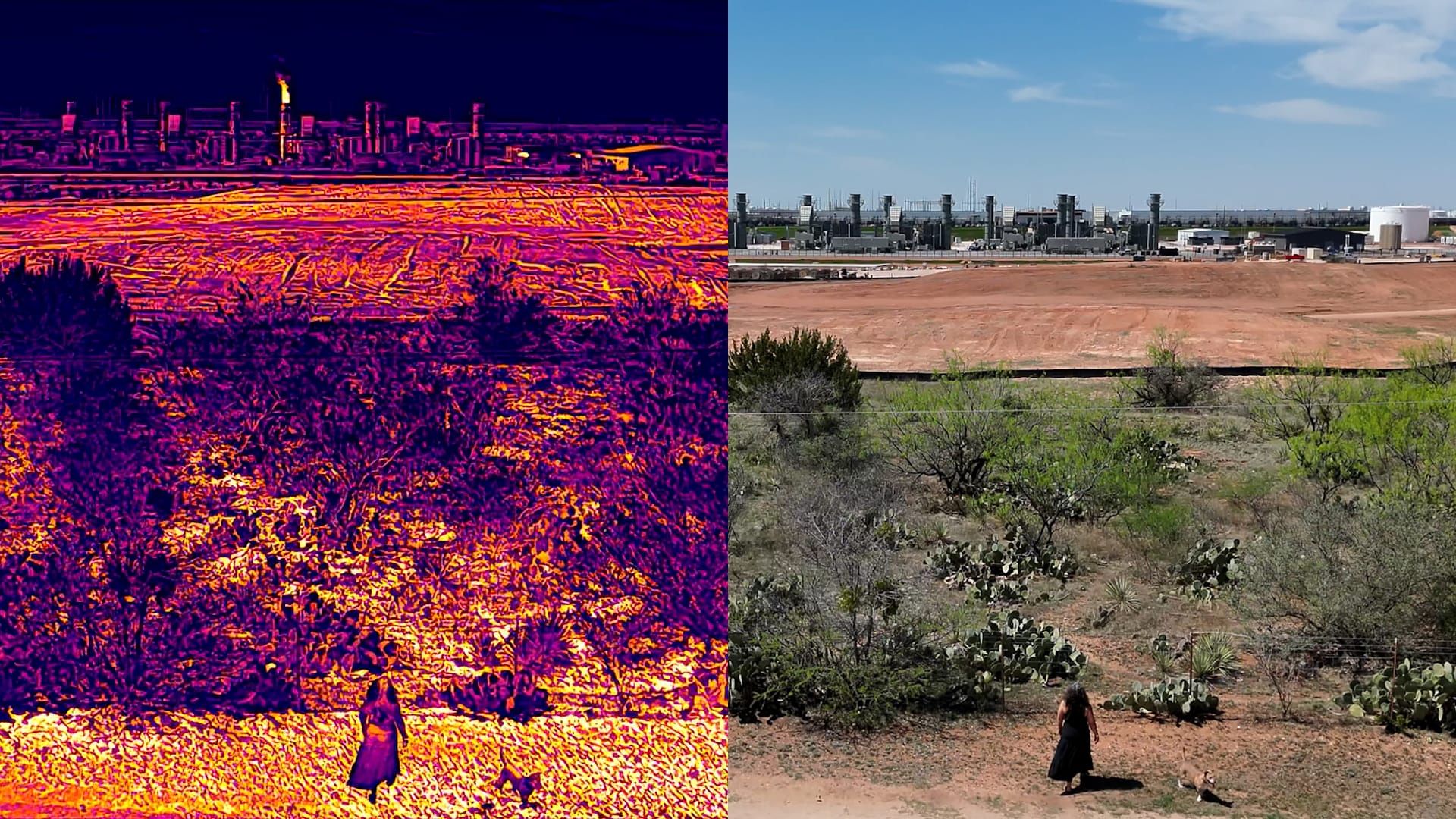
Omaira Garcia didn’t get a heads-up. The Abilene, Texas resident reportedly learned about the gas-fired power plant going up near her home only after construction was already underway. Dust, traffic, the hum of industrial machinery — all of it arrived before any public notice did. Her story isn’t an outlier. It’s the template. Since 2024, according to Floodlight’s reporting, at least 38 data centers across Texas have secured minor air permits for onsite power generation, collectively sanctioning more than 2,100 backup diesel generators statewide. The AI boom has a backdoor, and it runs on fossil fuel.
The Shadow Grid Nobody Voted For
Developers are using lower-level air permits to build gas-fired power plants beside homes — bypassing the public input process that major emissions sources normally require.
Here’s how the loophole works. Texas allows developers to build onsite gas turbines and diesel generators through “permits by rule” and “standard permits” — lower-level approvals that can skip the public notice and comment process required for major emissions sources. Former EPA air enforcement chief Bruce Buckheit told Floodlight that the Abilene Stargate project “Stargate ‘isn’t common stuff’ and should have been evaluated as a whole project rather than through staggered minor permits” and should have been evaluated as a whole rather than through staggered minor permits. Think of it like building a mansion one unpermitted room at a time — except each room belches nitrogen oxides.
The numbers from Floodlight’s permit review tell the story:
- The Abilene Stargate campus alone was permitted to emit more than 1.6 million tons of greenhouse gases and 1,000 tons of combined harmful air pollutants annually under initial minor permits
- Nine planned gas plants tied to Texas data centers could together emit more than 130 million tons of greenhouse gases per year
- Statewide, those diesel generators are permitted to emit nearly 2,500 tons of nitrogen oxides annually — a pollutant linked to respiratory illness and premature death
- Stargate’s expansion application would add 41 turbines and 18 generators, potentially making it one of Texas’s largest fossil-fuel power plants
“Lower-level permits are often granted quickly ‘without the public knowing.’” — Kathryn Guerra, former TCEQ staffer
Economic Wins, Environmental Costs — and a Regulator Running on Empty
The developer points to real community investment in Abilene, but former state regulators say the agency overseeing air quality can’t keep up with the pace of approvals.
Crusoe, Stargate’s developer, says the project has funded fire trucks, school expansions, and road improvements in Abilene. That’s real money hitting real communities, and it’s worth acknowledging. But TCEQ, the state’s environmental regulator, has stated it only issues permits that comply with existing rules — while former agency staff say it’s too overwhelmed to keep pace with development effectively.
Texas could overtake Virginia as the top U.S. data-center market by 2030, according to industry projections — a trajectory that would lock in substantial fossil-fuel generation capacity for years to come. For residents like Garcia, the stakes aren’t abstract. The AI boom may be inevitable; whether affected communities get a seat at the permitting table before the concrete is poured is a question Texas regulators have yet to answer.