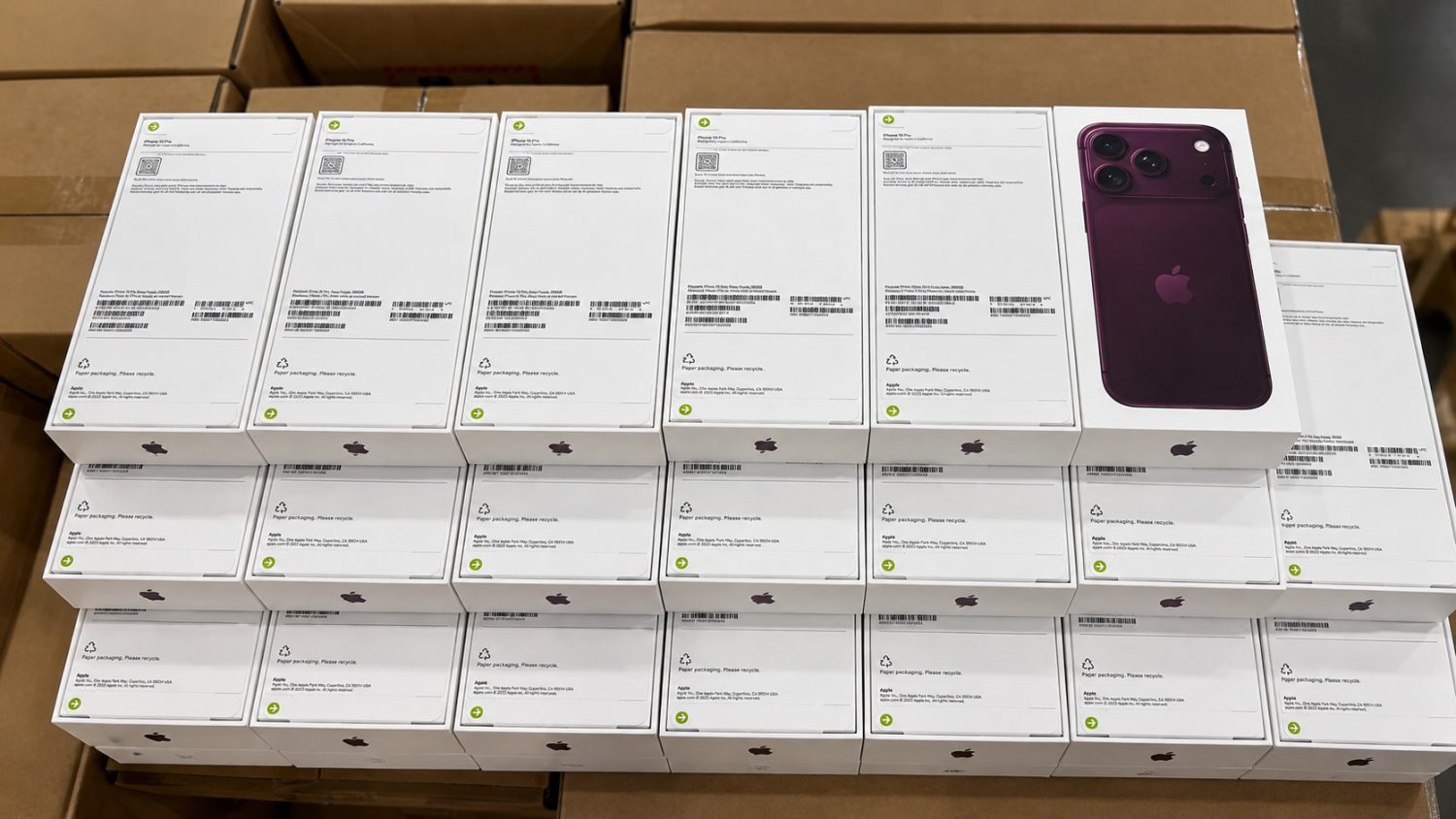
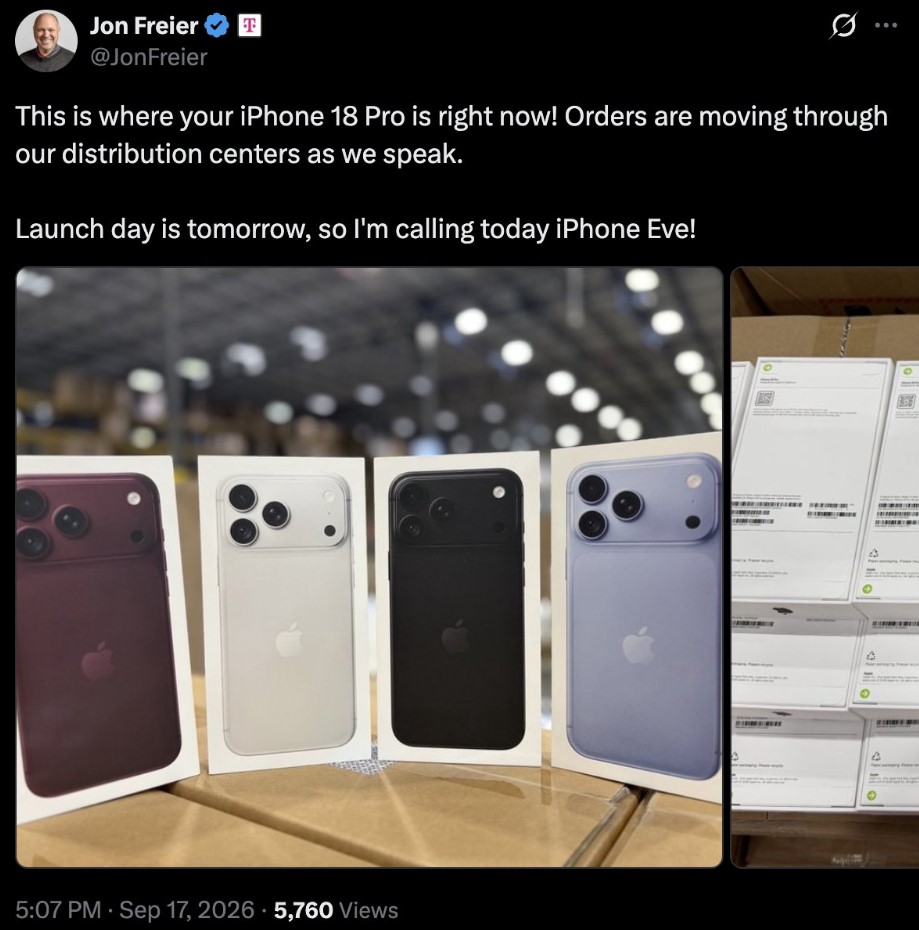
A T-Mobile chief operating officer reportedly posted warehouse photos celebrating incoming iPhone 18 Pro inventory, and the images appeared to reveal something that should have stayed inside the building: IMEI numbers and serial numbers printed clearly on box labels, readable to anyone who saw the post. This kind of exposure echoes how confidential files exposed through iCloud left Apple facing similar scrutiny over unintended data visibility.
Those identifiers are not marketing copy. Carriers and Apple use them to activate devices, enforce network blacklists, and manage warranty records. Security guidance across the industry consistently warns against making them public. The X post on Jon Freier’s account has since been deleted.
What IMEI and Serial Numbers Actually Do
These two identifiers are the backbone of how carriers activate phones, enforce theft blacklists, and track warranty coverage.
An IMEI is a 15-digit hardware identifier that carriers use to link a handset to a subscriber account, verify network compatibility, and flag a device as lost or stolen across centralized global databases. Serial numbers serve a parallel function inside Apple’s systems, connecting a specific unit to warranty coverage and repair eligibility.
T-Mobile’s own IMEI numbers and serial documentation confirms that the number printed on retail packaging is the same identifier used during activation and network checks. That makes any clearly readable box label a live device credential, not a reference number.
What Can Go Wrong
Security guidance points to two concrete risks when IMEIs appear in public photos: fraudulent blacklisting and device cloning.
Security guidance from multiple industry sources identifies two abuse scenarios when IMEIs appear in public photos, listings, or social posts. The first is fraudulent blacklisting, where a bad actor files a false lost or stolen report using a scraped IMEI, potentially getting a device flagged in carrier databases before its legitimate buyer ever activates it.
The second is IMEI cloning, where a valid identifier is programmed onto a counterfeit or stolen handset so it registers as legitimate on carrier networks. ITU technical reports specifically identify retail packaging labels as a documented source point for grey-market IMEI harvesting.
Neither outcome is guaranteed. Consumer security sources describe both cloning and malicious blacklisting as statistically rare for any individual device, technically demanding, and categorically different from a breach that exposes passwords or financial data.
According to a 2025 mobile repair industry article from Chimera Tool Blog, “sharing your IMEI on public forums, marketplaces, or social media is a mistake,” even when the probability of exploitation for a specific device remains low. As IMEI.best noted in guidance on marketplace phone sales, “posting it publicly in an unwatermarked photo on an open marketplace carries a small risk of device cloning or malicious reporting, though these threats are statistically rare.”
The concern is proportional, but the scale matters. Dozens of identifiers on a public executive account reach a broader audience than any individual resale listing, much like the records exposed in large-scale database leaks that affect thousands at once. The post is also potentially scrapable by automated tools at a volume that personal marketplace photos never attract.
What Buyers Should Do
If your iPhone 18 Pro came from affected inventory, a quick IMEI status check before activation is the right first step.
Buyers who receive one of the potentially affected iPhone 18 Pro units should check their device’s IMEI status through T-Mobile’s official compatibility tool or a GSMA-linked check service at or before activation. Reviewing broader mobile device security practices can also help you stay safe against related threats. Dialing *#06# displays the IMEI stored in the device’s hardware; a mismatch between that number and the one printed on the box is a direct signal of tampering or cloning.
If activation fails or unexpected blacklist flags appear, contact both T-Mobile and Apple support with proof of purchase and the original box. Both carriers have documented remediation paths for erroneous blacklisting, though the burden of resolving the problem falls on the buyer.
For carriers, the incident makes the case that internal guidance on executive social posts must explicitly cover what is printed on the labels, not just what is inside the boxes.