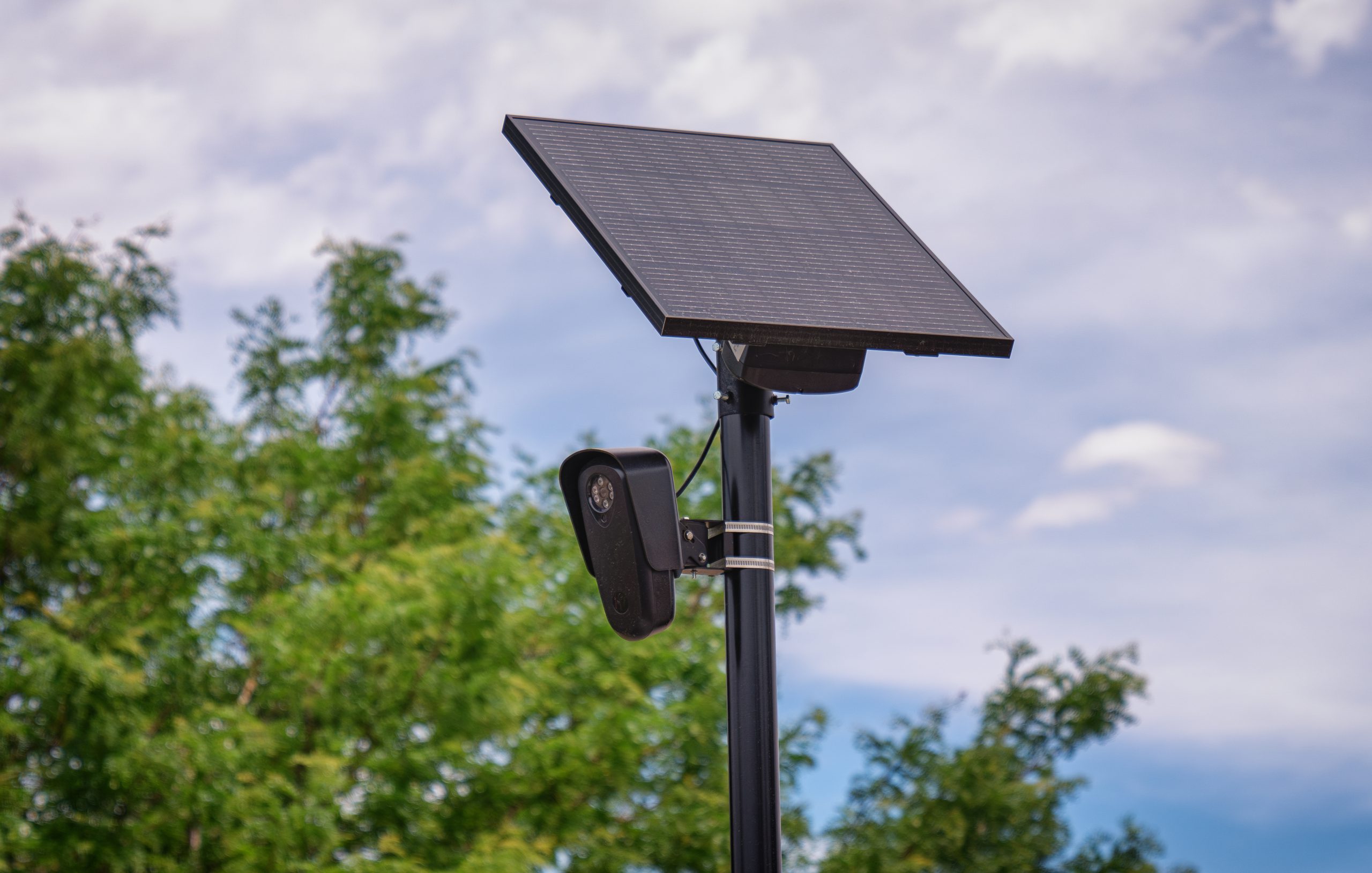
A Winona police officer noticed something odd: the department’s surveillance cameras hadn’t logged any activity. A drive to each site confirmed it. Every metal pole had been cut near the base, left lying in the weeds like felled saplings. The camera units themselves? Gone. All eight of Winona’s Flock Safety automated license plate readers — devices that capture plates and vehicle data, feeding everything to a cloud system police use to track cars tied to crimes — had been physically removed over a single weekend. The surveillance debate in Minnesota just graduated from city council resolutions to bolt cutters.
What Actually Happened
Eight cameras, four days, zero suspects — and a $24,000 hole in Winona’s surveillance network.
- All eight Flock Safety Falcon cameras were stolen between July 29 and August 1, according to KIMT News.
- Metal poles were cut near the base at each location; poles were found nearby in the weeds, but camera units remain missing.
- Locations: Highway 61/Bundy Boulevard, Highway 61/Highway 14, Highway 14/Knopp Valley Drive, and Highway 43/Homer Road.
- Estimated replacement cost: roughly $3,000 per unit, $24,000 total.
- No cameras recovered. No suspect identified. Police are requesting public tips.
This wasn’t a council vote. Columbia Heights, another Minnesota city, bagged its Flock cameras in plastic and formally cancelled the contract after sustained community pressure. Winona’s removal required power tools. In Faribault, a man was charged after officers found a Flock camera missing with cables cut and dangling — the same cut-and-remove method, according to CBS News Minnesota. A pattern is forming.
Privacy advocates have warned that aggregated plate data can reveal “sensitive patterns like clinic visits, religious attendance, or political organizing,” according to Guardian reporting — a concern that reflects how mass data collection routinely functions when oversight is limited.
Social media responded with alibi jokes, residents claiming whoever did it was “fishing with me” or “at Bible study.” The whole thing played out like a community inside joke — the surveillance-tech equivalent of neighbors pretending they didn’t see who egged the HOA president’s house. The act became a Rorschach test for how Winona actually feels about being watched.
Bigger Than Winona
Flock cameras are disappearing — officially and otherwise — across the country.
Nationally, Flock devices are getting spray-painted, bagged, and sawed off poles as resistance to mass vehicle tracking escalates, according to Gizmodo. The frustration has a specific accelerant: in some cities, contracts stipulate that only Flock itself can physically remove its cameras. You want them gone through proper channels? Get in line behind the vendor’s schedule.
Police argue these cameras improve clearance rates and help locate missing persons. Privacy advocates counter that error-prone alerts can trigger dangerous traffic stops and that blanket data collection is disproportionate to the gains — a dynamic already documented with a surveillance app built to target political dissidents. Both sides are telling the truth — which is precisely what makes it complicated. It’s the streaming-wars problem applied to policing: the technology works well enough that nobody wants to be the one to turn it off, yet nobody fully trusts who controls the remote — leaving many to weigh alternatives like home security systems that keep data in their own hands.
Winona’s cameras are gone, the investigation is open, and nobody agrees whether the person responsible committed a crime or a public service. The community’s willingness to laugh about it — even quietly — tells you more about Flock’s legitimacy problem than any contract cancellation ever could.