A Virginia woman holds up her power bills on camera. One year. Then the next. Then the next. Her expression says everything before she does. Then come the water bills. “My jaw literally dropped,” she tells the camera. “Holy crap.”
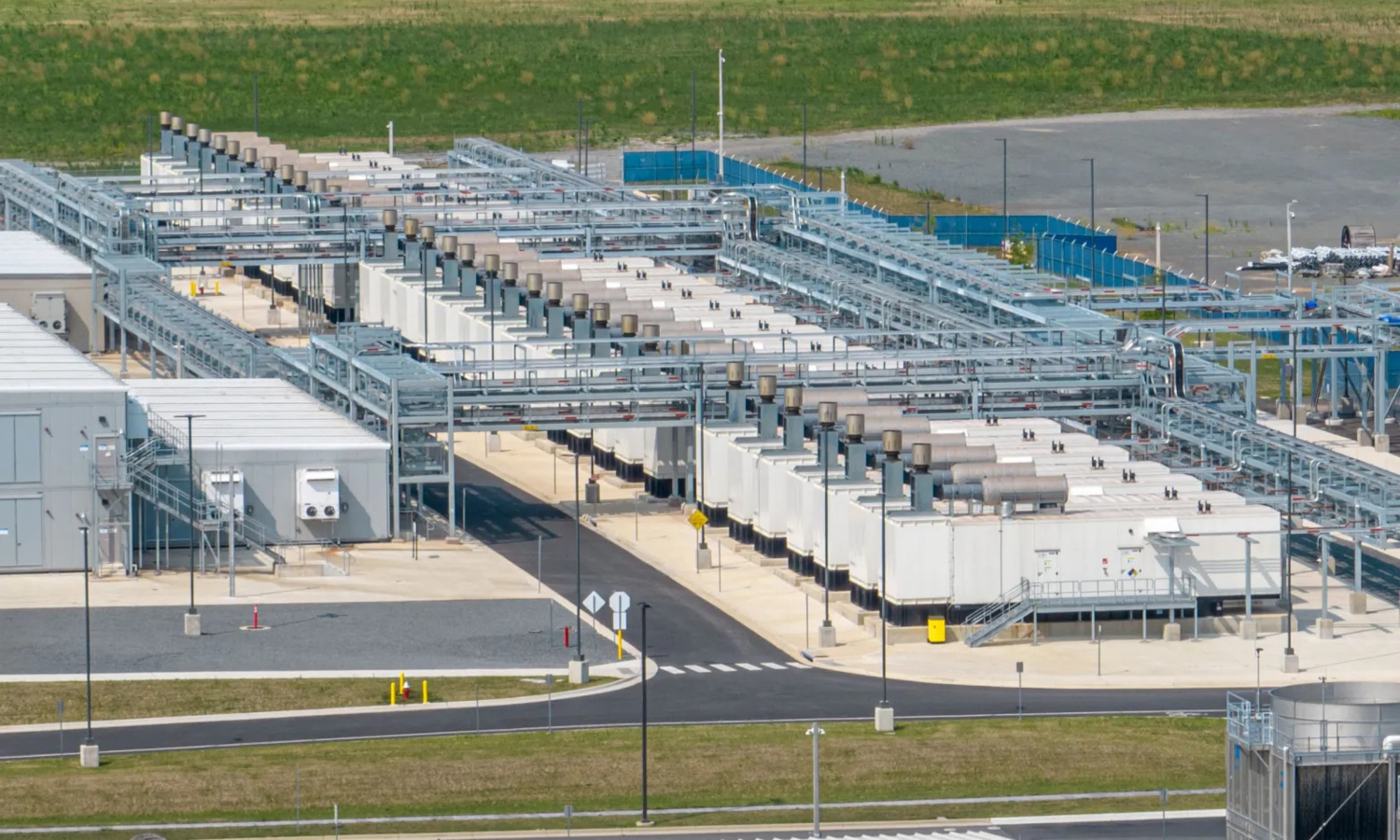
Northern Virginia hosts roughly 570 data centers — approximately 25% of all North American capacity. A significant share of the infrastructure behind your Google Drive, your Slack workspace, your Netflix queue runs through this region. And the people living near it are increasingly wondering who’s really paying to keep it cool.
The Numbers Behind the Hum
Virginia’s data center footprint is staggering — and the energy math is harder to ignore than the marketing.
Virginia holds somewhere between 13–26% of global data center capacity depending on the dataset. Single hyperscale facilities can draw 100 megawatts or more — enough electricity to power tens of thousands of homes from one building. That famous claim that “70% of global internet traffic” flows through Northern Virginia? Almost certainly a marketing slogan. TeleGeography analyst Tim Stronge said it’s “unlikely that at any point in the last decade did 70% of the world’s traffic flow through the U.S., much less northern Virginia,” according to Cardinal News reporting from 2025. The region is still extraordinary. It just doesn’t need the exaggeration.
What’s Actually Driving the Bills
Four pressures landing simultaneously on one grid — and one water system.
- Data centers require massive cooling systems that consume significant water volumes, pressuring municipal infrastructure
- Dominion Energy faces unprecedented load growth, requiring new transmission lines and substations
- Virginia’s State Corporation Commission approved a new rate class — GS-5 — for customers demanding 25 MW or more, designed in part to limit cost pass-through to residents; if you suspect you’re already paying too much, you’re not alone
- Roosevelt Institute analysts describe Virginia as “a cautionary tale for equity and climate”
The Regulatory Tell
When regulators create a new rate class, they’re admitting the problem is real.
The official line from industry has been consistent: data centers won’t raise your bills. Then Virginia’s State Corporation Commission created GS-5 — a special rate class for the biggest electricity users — designed in part to prevent grid expansion costs from being spread across all customers. That’s not a rebuttal to the woman’s video. That’s confirmation the concern was real enough to require a structural fix.
“When they tell you that data centers aren’t going to increase your power and water bills, bookmark this video and send it to them.”
Her specific bills are anecdotal and unaudited. But they’re consistent with what regulators, analysts, and the Roosevelt Institute have documented independently.
Your Apps, Their Bills
The cloud has a zip code — and it’s getting expensive to live near it.
A meaningful share of the infrastructure behind the apps you use daily — AWS-hosted tools, streaming services, cloud storage — runs through Northern Virginia. The costs of building and cooling that infrastructure don’t evaporate. They migrate into rate structures, tax bases, and utility bills. Other regions actively courting data centers are watching Virginia’s situation closely.
Pressure is building on tech companies to pursue energy-efficient and water-smart infrastructure. The woman in the video didn’t just show her bills — she made the invisible visible. That’s harder to unsee than any press release about cloud economics.