The Senate voted 57-43 on Sept. 30, 2026, to block the Ratepayer Protection Act, falling three votes short of the 60 votes needed to advance the measure. Without clearing that threshold, the legislation’s prospects in the current Congress are effectively exhausted.
Your electricity bill does not automatically rise because of this vote. The defeat does leave a gap, though: no new federal standard now governs whether AI data centers or ordinary utility customers absorb the grid-expansion costs those facilities generate.
A Lopsided House Vote, a Senate Stalemate
The bill sailed through the House before stalling in the Senate, where bipartisan support collapsed.
The House passed the bill 417-3 on Sept. 16, 2026, according to Reuters. Sen. Jon Husted, R-Ohio, the bill’s Senate sponsor, then attempted to advance it by unanimous consent on Sept. 17, but a Democratic senator objected, forcing a floor vote. Only four Democrats voted in favor of advancing the bill on Sept. 30.
What the Bill Actually Proposed
The legislation set a specific demand threshold and a cost-recovery framework, but its enforcement mechanism was limited from the start.
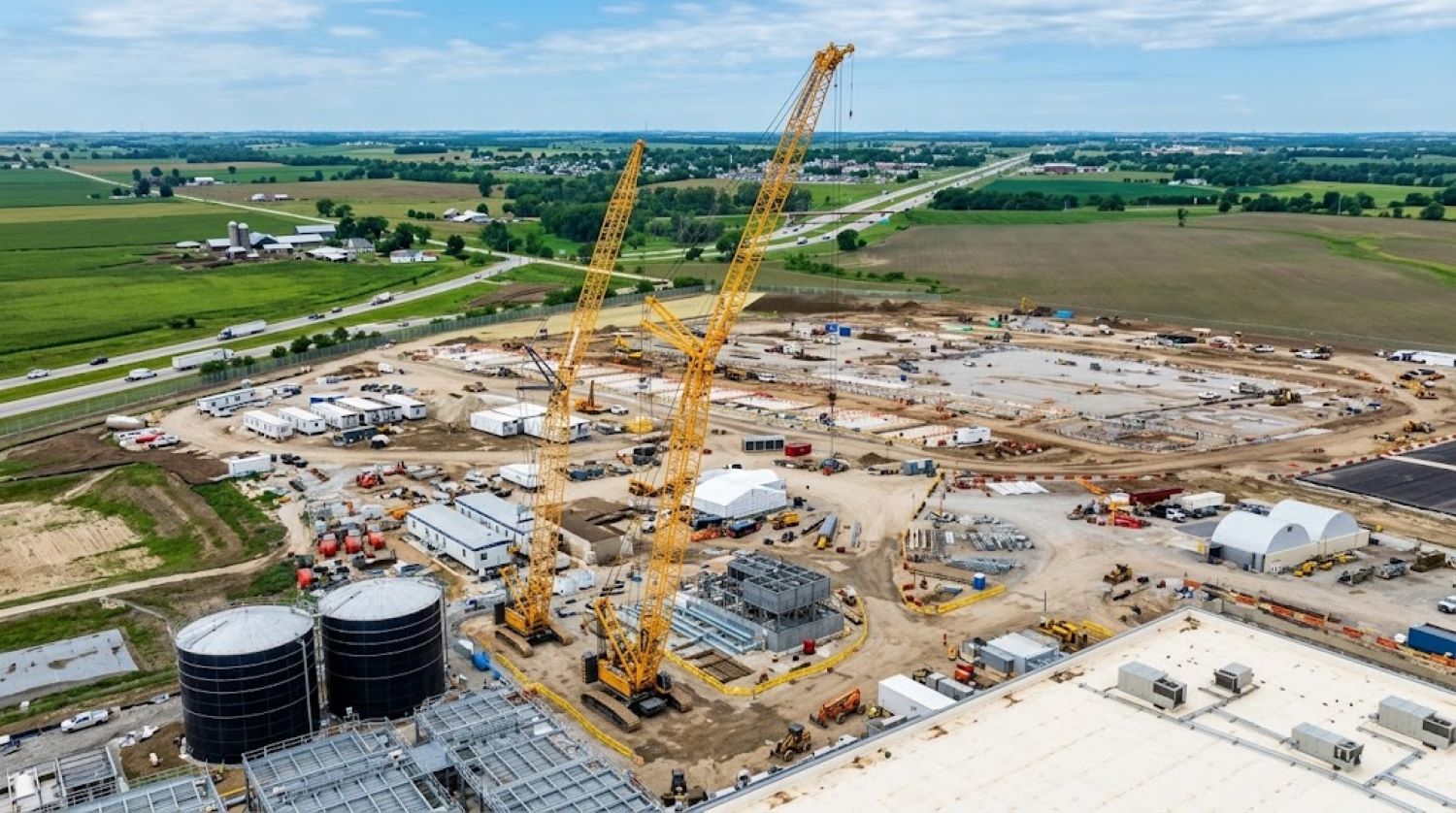
The Ratepayer Protection Act targeted nonresidential electricity consumers running information-technology infrastructure, primarily data centers. The threshold was peak demand of 100 megawatts or more at a single site or campus.
Under the bill, state utility regulators and nonregulated utilities would have been directed to consider standards requiring large-load customers to cover the full incremental cost of grid upgrades. That scope included generation, transmission, and distribution infrastructure.
The House version also included financial assurance provisions designed to protect ratepayers if a large customer reduced operations or exited the grid.
Husted stated the bill’s intent plainly: “The Ratepayer Protection Act would ensure American families and small businesses aren’t left paying for the energy infrastructure needed to support new data centers.”
Supporters framed the legislation as the congressional implementation of President Donald Trump’s Ratepayer Protection Pledge. The National Association of Counties supported the House measure, characterizing it as a way to require data centers to cover the full infrastructure cost of their electricity needs.
The “Consider” Problem
A single word in the bill’s text became the fault line between supporters and critics.
Democratic opponents focused on the bill’s operative language. It required regulators to consider adopting the cost-allocation standard, not to actually adopt it. Critics argued that distinction rendered the consumer protection essentially unenforceable.
Senate Democrats put forward a competing proposal, the GRID Savings Act, which would mandate that large data centers pay the full cost of grid upgrades tied to their operations. Reuters reported that measure would leave less discretion to state regulators than the Ratepayer Protection Act would have.
Supporters countered that establishing a federal baseline, even one that directed consideration rather than compliance, would send a meaningful signal to state utility commissions. Husted characterized the bill as a tool that could expand U.S. AI capacity while protecting consumers. He stated: “The Ratepayer Protection Act would require state utility regulators to consider standards, ensuring that large load customers pay the full, incremental cost of the infrastructure needed to serve them.”
Where This Leaves You
State utility commissions and local proceedings now carry the full weight of a question that Congress left unresolved.
State utility commissions, state legislatures, and individual utility proceedings remain the primary venues for resolving how data-center-related infrastructure costs are allocated. No new federal cost-allocation requirement was enacted by this legislation.
Whether you pay more on your electricity bill because a new data center opened nearby depends largely on where you live, what your state regulators decide, and how your utility structures its rates. Lawmakers may revisit the issue after the midterm elections, potentially with stronger mandatory language, though no official timetable or public commitment has been announced.