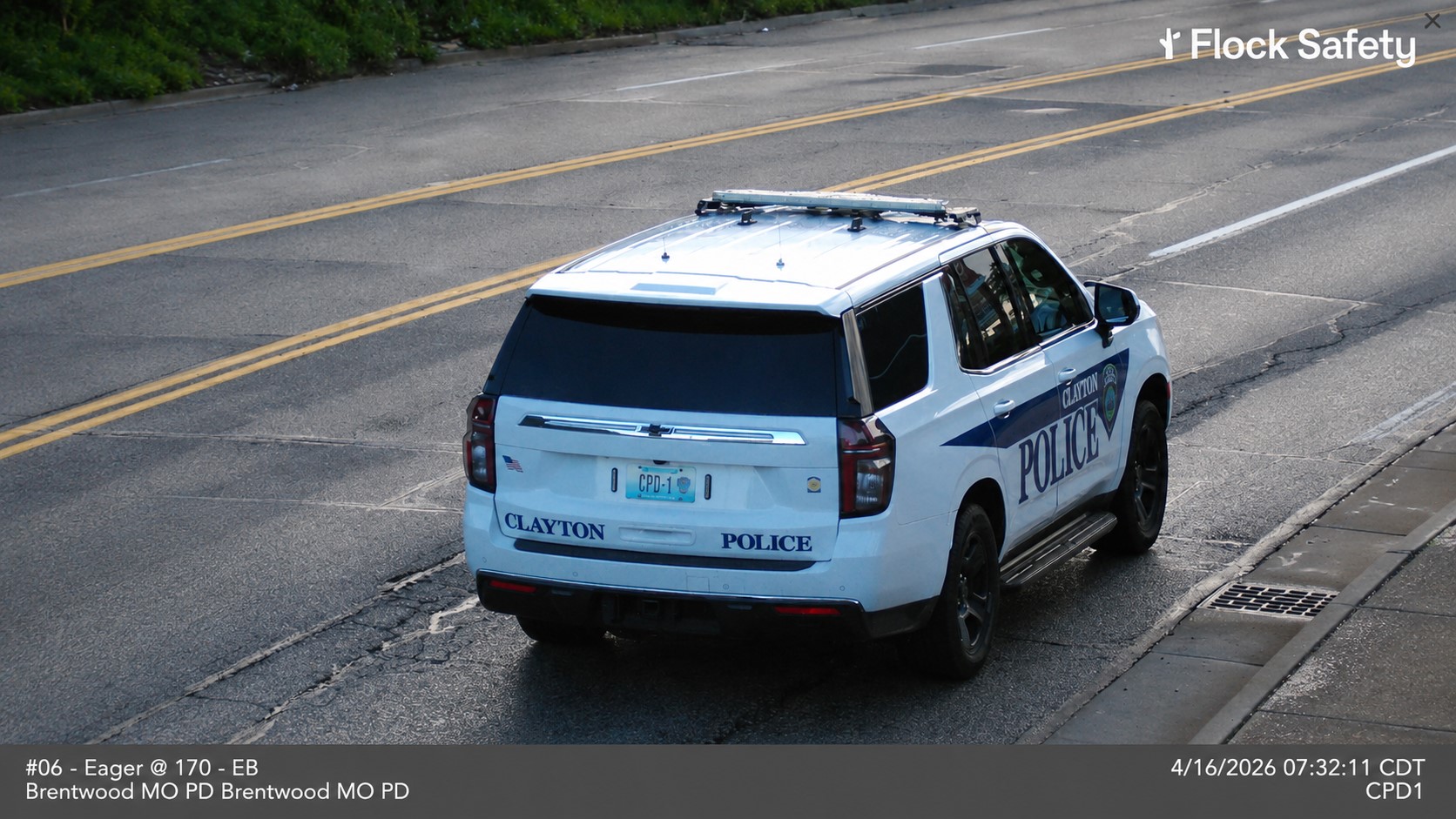
A Flock Safety camera photographs your plate at 2:47 p.m. on a Tuesday. It logs your GPS coordinates, timestamps the image, and checks your tag against a hot list of stolen vehicles, warrants, and alerts. Seconds later, an officer three blocks away gets a ping. No policy in the country requires anyone to mention this to you.
Automated License Plate Readers — ALPRs — have spread across thousands of departments, from Sacramento County to small-town Iowa. The policies governing them share a common architecture: internal audit logs, case-number tracking, restricted database access. What they don’t share is any obligation to disclose ALPR’s role to the driver whose plate just got scanned.
The Surveillance That Stays Off the Record
Department policies classify plate-reader data as confidential intelligence, ensuring it rarely surfaces in officer reports or roadside conversations.
Mar-Mac Police Department in Iowa labels ALPR data “confidential criminal intelligence” for “official law enforcement purposes” only. Seattle PD requires officers to log a case number and justification when querying the system — but that entry lives in a password-protected database, not in the narrative report a defense attorney might read.
The International Association of Chiefs of Police and the Major Cities Chiefs Association steer departments toward system-level metrics: hit counts, query volumes, arrest tallies. That’s the accountability model. What it doesn’t produce is a single line in an arrest report reading “stop initiated by ALPR hit.” The Brennan Center has warned that ALPR can “enable pervasive tracking of individuals’ movements.” The gap between macro transparency and what actually happens at your car window is where the silence lives — much like the case of secretly tracking users without their knowledge.
No Law Says They Have to Tell You
Federal and state regulations focus on data retention and permitted uses — not on whether officers disclose ALPR involvement during a stop.
Washington state’s SB 6002 restricts where Flock cameras can collect data — near schools, clinics, immigration facilities. It says nothing about telling drivers. No federal law governs ALPR disclosure at all, according to the Congressional Research Service. State statutes tracked by the National Conference of State Legislatures address retention limits and permitted uses. A disclosure requirement to individual motorists? Absent from all of them.
If your car passed a Flock camera near a protest, a mosque, or a reproductive health clinic last week, that data exists. The ACLU has documented that ALPR databases can reveal “where we worship, associate, seek medical care, or engage in political activity” — patterns also exploited by a covert surveillance app built to track political dissidents — and you will not be told.
Law enforcement leadership isn’t wrong that ALPR helps recover stolen vehicles and locate missing persons. The IACP frames it as a neutral tool governed by policy. But “governed by policy” means governed by documents the public rarely reads, containing no obligation to explain why you were stopped. The structural effect of treating plate-reader data as confidential back-end intelligence — whether intentional or not — is that drivers are kept in the dark by design. Your Fourth Amendment rights may eventually hinge on whether courts see that as an oversight or a choice.