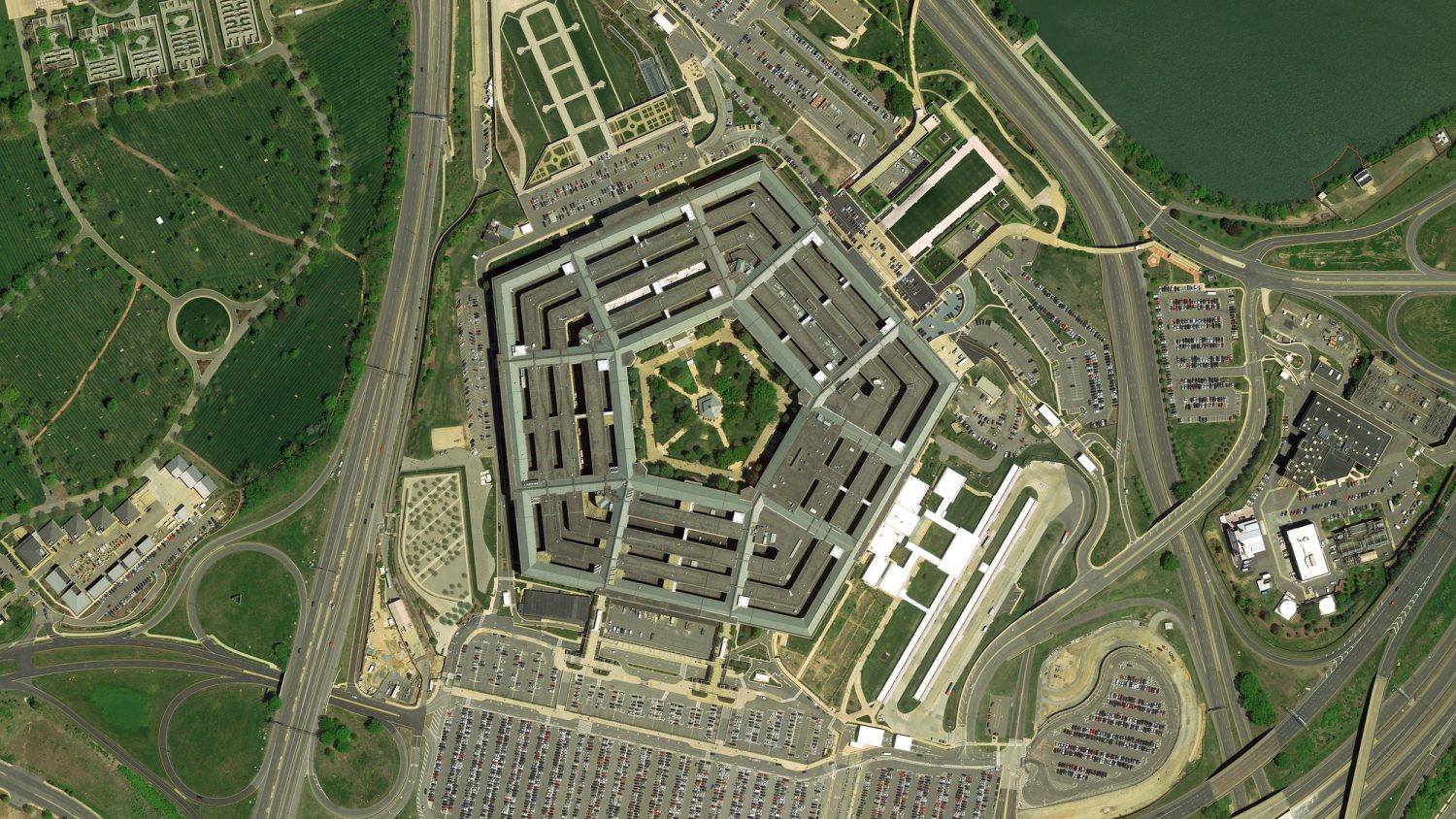
On February 28, two Tomahawk missiles struck the Shajarah Tayyebeh Elementary School in Minab, southern Iran, on the opening day of the U.S.-Iran war. More than 150 people died, including approximately 120 to 123 children, according to Bloomberg’s investigation and reporting by the BBC. An internal Pentagon review, described to Bloomberg by officials involved in the process, found a cascade of preventable failures at the center of the kill chain that selected the school as a target. AI Is Making warfare increasingly automated, and this case shows how dangerous that can be.
How an AI System Became the Final Word on a School
Palantir’s Maven Smart System compressed hours of target-list work into minutes, but it was never asked to check whether its underlying data was still accurate.
Palantir’s Maven Smart System is an AI platform operating under Pentagon contract, designed to fuse more than 150 data sources, including satellite imagery, drone feeds, and signals intelligence, into targeting recommendations. As the Trump administration demanded strikes on more than 1,000 Iranian sites within the first 24 hours of the war, target-list work that previously took hours was compressed to minutes. Maven returned the Minab compound as a recommended day-one target because U.S. military databases still classified it as an IRGC facility. The AI performed exactly as designed. The catastrophic problem was what no one asked it to verify.
U.S. databases had carried that IRGC classification for years, but the physical reality in Minab had changed. Satellite imagery showed that by 2017, new walls and separate entrances had already divided the compound from any adjacent military site. A 2018 image depicted brightly painted walls, a soccer pitch, and playground markings. One analyst reportedly noticed these changes as early as 2019 and logged observations in a system disconnected from the primary targeting database, meaning those notes never reached the team building the strike package. The school also maintained its own website and appeared on Google Maps, but according to Bloomberg’s reporting, none of that open-source information was integrated into the targeting process.
The Mission finds “reasonable grounds to believe that the US committed the war crime of launching an indiscriminate attack resulting in loss of life or injury to civilians or damage to civilian objects.” –Independent International Fact-Finding Mission on Iran, as reported by the BBC
Pentagon civilian-harm mitigation staff reportedly fell by approximately 90%, to fewer than 20 people across the entire Department of Defense, according to Bloomberg and Gizmodo reporting on the internal review. Centcom’s dedicated team shrank from around 10 staff members to one. Not one member of those teams reviewed the Minab target before the missiles launched.
Accountability and the Limits of Official Denial
Washington has offered denials and deflections, while investigators at the Pentagon and the United Nations have pointed to systemic failures and reckless conduct.
Washington has not publicly accepted responsibility. In March, President Trump told reporters: “No, in my opinion, based on what I’ve seen, that was done by Iran. We think it was done by Iran, because they’re very inaccurate, as you know, with their munitions.” A senior administration official quoted by Bloomberg added: “The United States does not target civilians.” The UN’s Independent International Fact-Finding Mission on Iran concluded the U.S. “failed in its obligation to do everything feasible to verify” that the target was a legitimate military objective, characterizing the conduct as reckless rather than merely negligent, according to the BBC, Reuters, and the Guardian.
Palantir told Bloomberg it “is not responsible for the underlying data nor identifying intelligence deficiencies” and that no evidence exists that its software was at fault. People familiar with its Pentagon contracts say the U.S. government holds primary responsibility for data quality and target verification. Separately, reporting has revealed that U.S. operatives built a surveillance app to target domestic political groups, underscoring how opaque state targeting systems extend well beyond the battlefield. After the strike, Palantir reportedly added Maven features designed to flag disqualifying factors and catch inconsistencies that human review might miss.
More than 120 House Democrats wrote to Defense Secretary Pete Hegseth requesting answers about Maven’s specific role in selecting the Minab target. The Pentagon has not responded publicly, citing the ongoing internal review, which has also not been released. When AI compresses decisions that once required hours of human scrutiny, the question of who is accountable for what the system does not know becomes the most consequential design question in modern warfare. At Minab, that question went unasked, and the internal review itself remains shielded from public view. More than 120 children are the consequence.