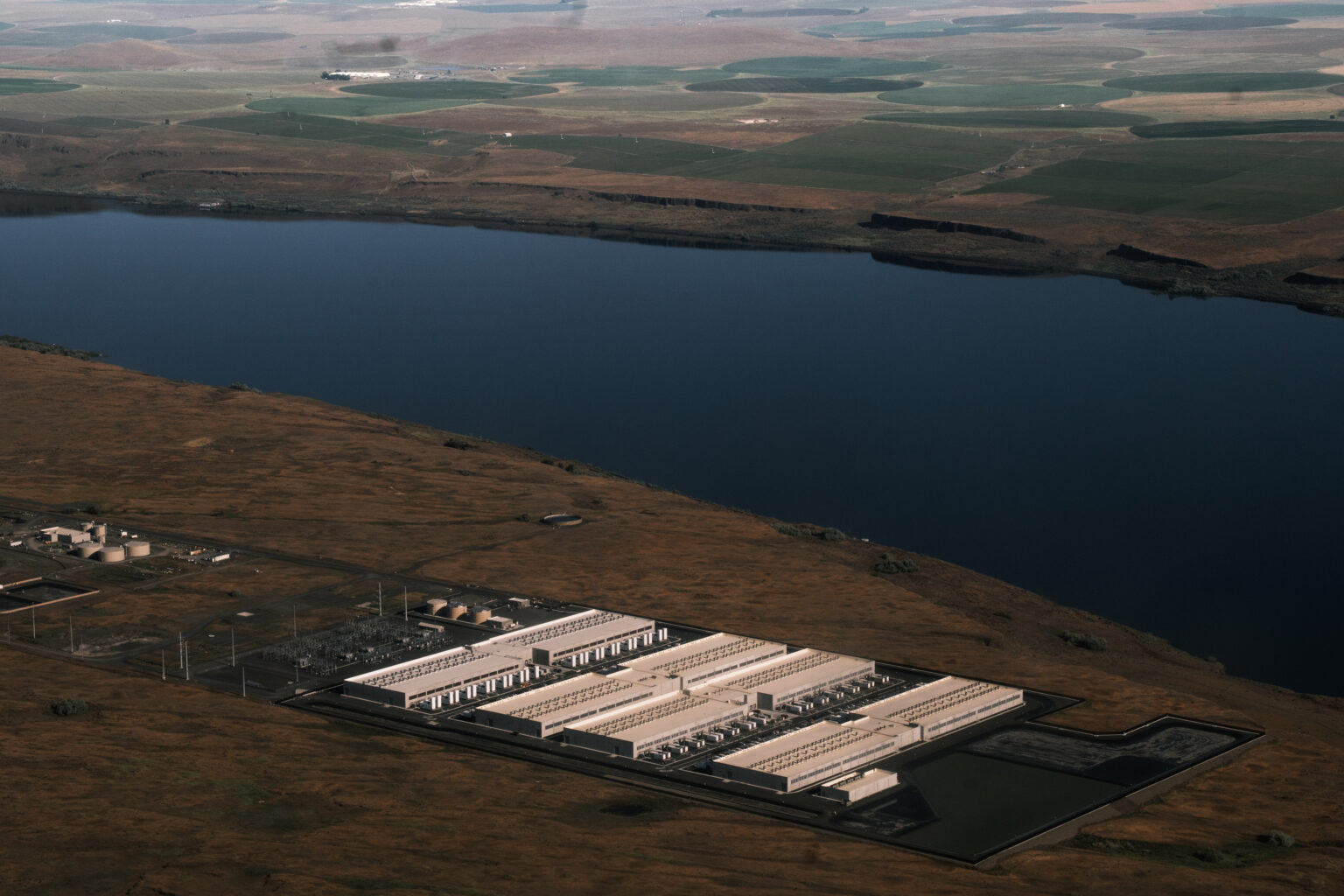
Six months ago, pausing one tax break for data centers felt bold. Now Oregon lawmakers want to shut down new construction entirely. Four Democratic legislators and two primary-winning candidates plan to introduce a three-year statewide moratorium on new large data centers in the 2027 legislative session, opening in January. State Sens. Jeff Golden and Courtney Neron Misslin, along with Reps. Lesly Muñoz and Farrah Chaichi, are backing the proposal. Oregon built its tech-hub reputation on cheap power and generous subsidies. The people who handed out those deals now want to freeze the whole operation.
From Tax Breaks to Full Stop
Oregon’s layered regulatory response keeps escalating, and the latest proposal goes far beyond pulling incentive levers.
Before you assume this is more of the same, consider the stack. House Bill 4084, enacted in March 2026, only paused new Enterprise Zone property-tax breaks — one incentive among several. The Strategic Investment Program remained wide open. Hillsboro added a 120-day local moratorium on data centers and battery storage. The proposed three-year ban targets construction and siting outright, not just subsidies. As the Oregon Center for Public Policy noted, HB 4084 created “a pause on new tax breaks for data centers, for this one tax break. There are other tax breaks that data centers receive.”
What’s actually on the table:
- Four state lawmakers plus candidates Tammy Carpenter and Myrna Muñoz backing the 2027 bill
- Hillsboro’s moratorium covers both data centers and battery storage projects
- HB 4084’s tax-break pause extends until 90 days after the 2027 session adjourns
- Amazon, Google, Microsoft, and the Data Center Coalition declined comment requests
- Around 15 states have proposed similar moratoriums; only New York has enacted one
The political momentum is real. Myrna Muñoz defeated incumbent Sen. Janeen Sollman in Washington County’s Senate primary, running hard against data center expansion. Golden frames the shift plainly: what was treated as “radical” six months ago is now mainstream.
Who Bears the Cost
Grid strain, water draw, and tax deals signed under NDAs have turned data centers into a kitchen-table issue across Oregon.
If you’re paying an electric bill in Washington County, this fight belongs to you. Data centers consume tens to hundreds of megawatts each. Cooling systems draw millions of gallons of water annually, and large campuses have converted hundreds of acres of farmland to concrete. Tax incentive negotiations happened behind NDAs. The state teachers union and conservation groups are now suing Washington County and Hillsboro officials over those approvals — making this as much a property-tax fairness fight as an environmental one.
This regulatory wave is accelerating faster than most state legislatures can track. More than 500 local policies restricting data centers exist worldwide, with 40 percent adopted since June 2026. Seattle introduced a 365-day emergency moratorium with mandated impact studies on grid capacity, water use, and public health. Governor Kotek’s Data Center Advisory Committee is due to report in October 2026. Whether the Legislature swings for the full ban or finds a middle path will likely depend on what that committee recommends.
If the 2027 bill passes, Oregon becomes the first state to impose a multi-year construction moratorium on large data centers — a move that would pressure hyperscalers to reroute billions in AI infrastructure investment. Whether that silence from Amazon, Google, and Microsoft signals acceptance, legal strategy, or quiet lobbying ahead of the 2027 session remains an open question the Governor’s advisory committee may help answer in October.