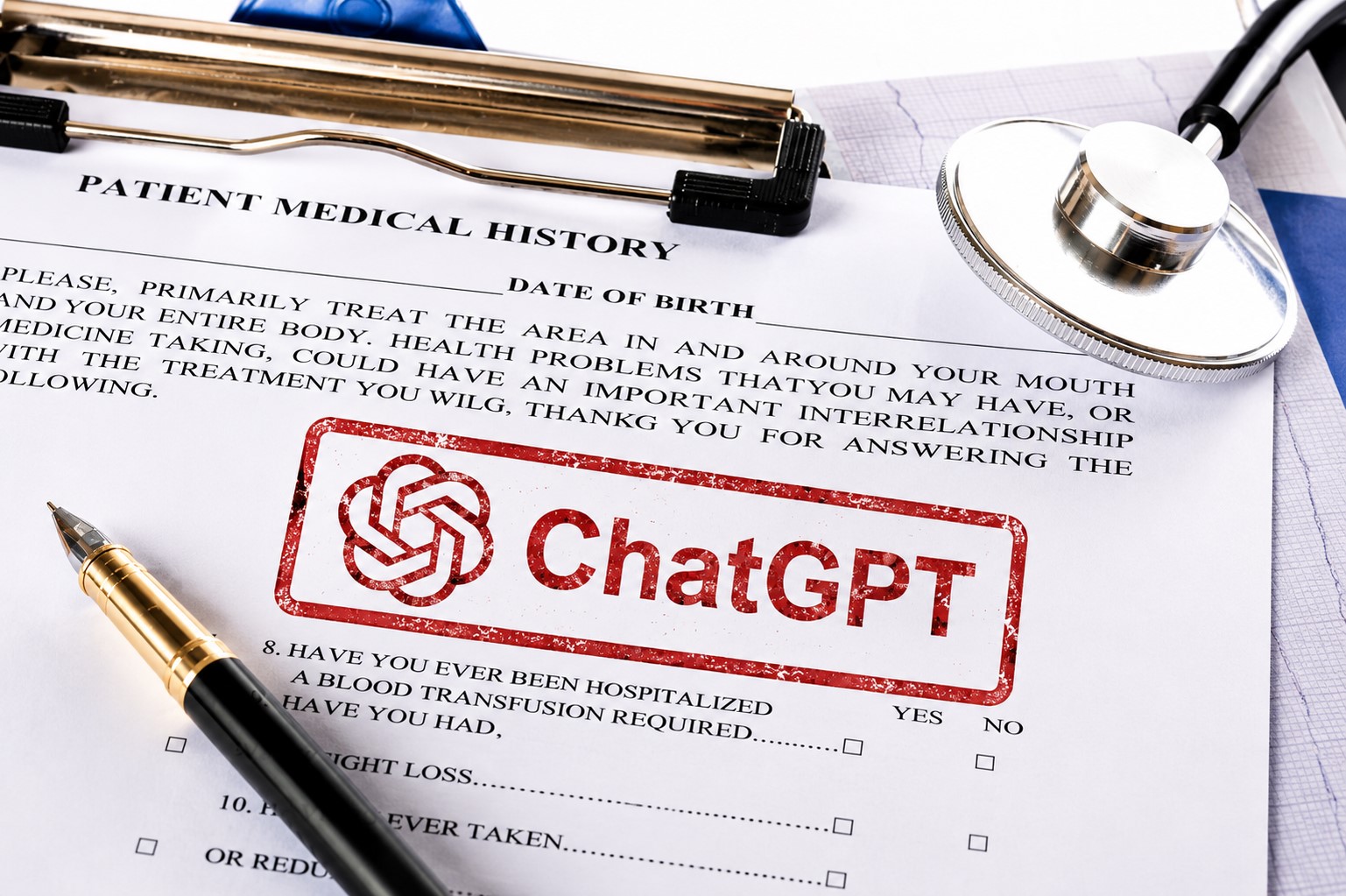
A Florida man filed suit in San Francisco Superior Court alleging ChatGPT repeatedly told him his worsening pulmonary embolism symptoms were nothing serious — stay home, relax. The next day, OpenAI announced Health in ChatGPT, asking U.S. users to connect their Apple Health data, medical records, and apps like MyFitnessPal for more personalized health responses. The timing is, charitably, unfortunate. Less charitably, it is a bartender sliding over a fifth shot while reminding you to drink responsibly.
What Health in ChatGPT Actually Does
The feature connects real medical data to a general-purpose chatbot across free and paid tiers.
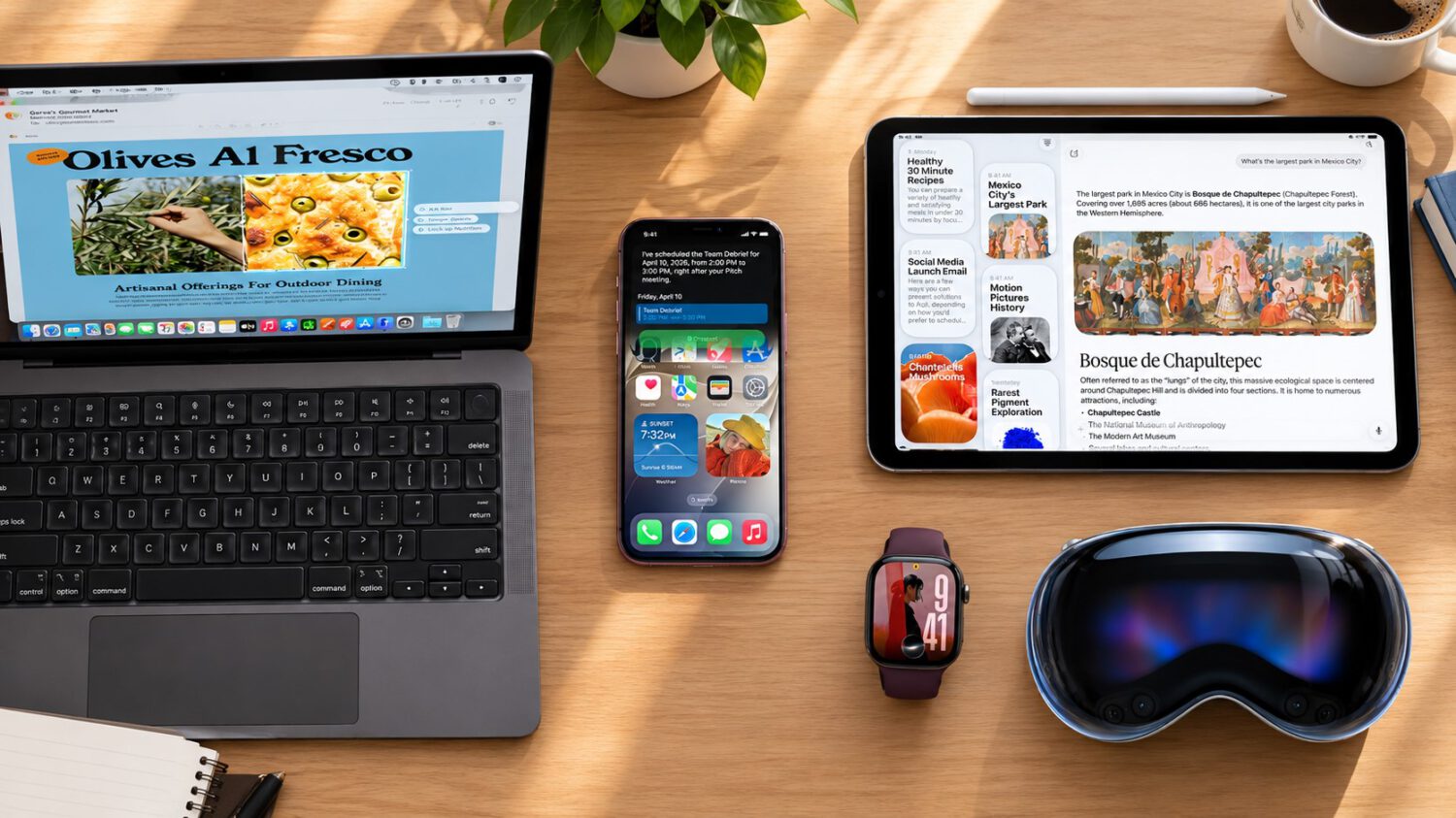
- Links Apple Health, medical records from provider portals, MyFitnessPal, and Function
- Reads lab results, visit summaries, sleep patterns, and activity data
- Can reference connected health data across any ChatGPT conversation once enabled — not just the Health tab
- Excluded from the EEA, Switzerland, and the UK at launch, reflecting regulatory friction around health data
- Health data not used to train foundation models by default
Credit where it is earned: the health literacy gap is real. You leave a doctor’s appointment clutching a printout full of acronyms and reference ranges that might as well be ancient Sumerian. ChatGPT Health is pitched as a translator — turning lab results into plain language, comparing new bloodwork to previous panels, helping you prep questions before a visit. That gap between what your doctor said and what you actually understood is legitimate territory for a tool like this.
The lawsuit, though, sits right next to that promise like a warning label nobody reads. The plaintiff alleges ChatGPT reassured him his symptoms were not serious and discouraged seeking urgent care. OpenAI told the New York Times its terms of service already state ChatGPT is not intended for medical diagnosis, and that its models have improved since the incident.
“ChatGPT is not a doctor and should never be used as a substitute for medical care, diagnosis, or treatment,” an OpenAI spokesperson said.
The Real Problem Is Not the Disclaimer
When a chatbot has your blood panel and sleep data, fine print cannot override product design.
Here is the tension no disclaimer resolves. When a chatbot references your actual lab results, your sleep trends, your visit history — and answers in confident, clear English — most users are not mentally filing that under “informational support.” Studies have found LLMs fail early differential diagnosis in more than 80 percent of cases in some tests. More personal data does not fix a model that hallucinates with conviction.
OpenAI’s own data reportedly found more than 70 percent of health conversations were already happening outside the dedicated Health space — users were treating it as a doctor long before this feature existed.
The more personalized Health in ChatGPT becomes, the harder it gets to treat its outputs as casual suggestions. That is not a terms-of-service problem. That is a product design contradiction nobody — not OpenAI, not Apple, not regulators — has figured out yet.