Back in February, Mark Zuckerberg showed up to testify at a Los Angeles jury trial on social media addiction. His team walked in wearing Meta Ray-Ban smart glasses. The judge promptly warned them not to record — concerned that jurors could be filmed and identified without knowing it. That moment crystallized something courts had been quietly worrying about for months.
Now New York has acted. Starting July 20, every courthouse in the state — more than 1,240 of them — will ban smart glasses and any eyewear or headwear containing cameras, microphones, or recording technology, according to Bloomberg Law. New York becomes the first U.S. state to impose a blanket statewide prohibition, rather than leaving enforcement to individual judges or counties.
No Exceptions at the Door
The ban covers everyone from attorneys to court clerks, with zero carve-outs for good intentions.
The rule applies to every court tier under the Unified Court System — state, county, city, town, and village — covering lawyers, staff, and clerks alike. That includes prescription smart glasses. Devices are surrendered to uniformed court officers at entry and returned only on departure. Signs announcing the policy were already posted at courthouses, including Syracuse’s Honorable James C. Torney III Criminal Courthouse, before the effective date.
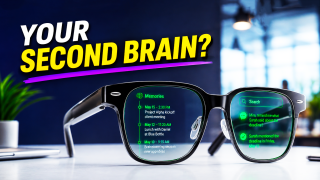
The core problem is deceptively simple. Smart glasses let you record hands-free, silently, while looking someone directly in the eye. The tiny LED that supposedly signals recording can be covered with tape or physically removed entirely, undermining the only visible indicator of capture. Meta says an upcoming software update will disable the camera if tampering is detected, per Cybernews — but privacy experts aren’t reassured. As the Electronic Privacy Information Center stated plainly, “smart glasses in court are a privacy nightmare.” Courts decided they’d rather confiscate the hardware than trust it.
New York May Just Be the First
From cruise ships to state highways, restrictions on recording eyewear are spreading fast.
If you own smart glasses, the map of where you can’t wear them is growing. Restrictions already exist or are being considered in several places:
- Courts in Wisconsin, Pennsylvania, and Hawaii already have local restrictions.
- Philadelphia banned AI-enabled glasses in courtrooms.
- Royal Caribbean bars them from restrooms, youth areas, and casinos.
- Illinois lawmakers are weighing whether to classify them as prohibited devices for drivers.
New York’s approach — rooted in existing Civil Rights Law and long-standing court recording rules — hands other states a ready-made template. As smart glasses gain facial recognition and real-time AI transcription, expect more doors to close. The Google Glass “glasshole” backlash of 2013 was mostly a cultural punchline. This time, the restrictions carry legal teeth.