What if your commute was interrupted by a drowsiness warning — except your eyes are wide open? That’s purportedly what happened to an Asian man driving a Lexus loaner, according to a viral claim circulating online. The specific incident couldn’t be confirmed by credible primary sources. But the underlying technology failure it describes? Thoroughly documented across the industry.
Driver-monitoring systems are now standard across luxury and mainstream vehicle lines. Whether they work equally for every face isn’t academic anymore.
How the System Actually Decides You’re Drowsy
Lexus’s own manuals reveal how the algorithm judges wakefulness — and where it admits its limits.
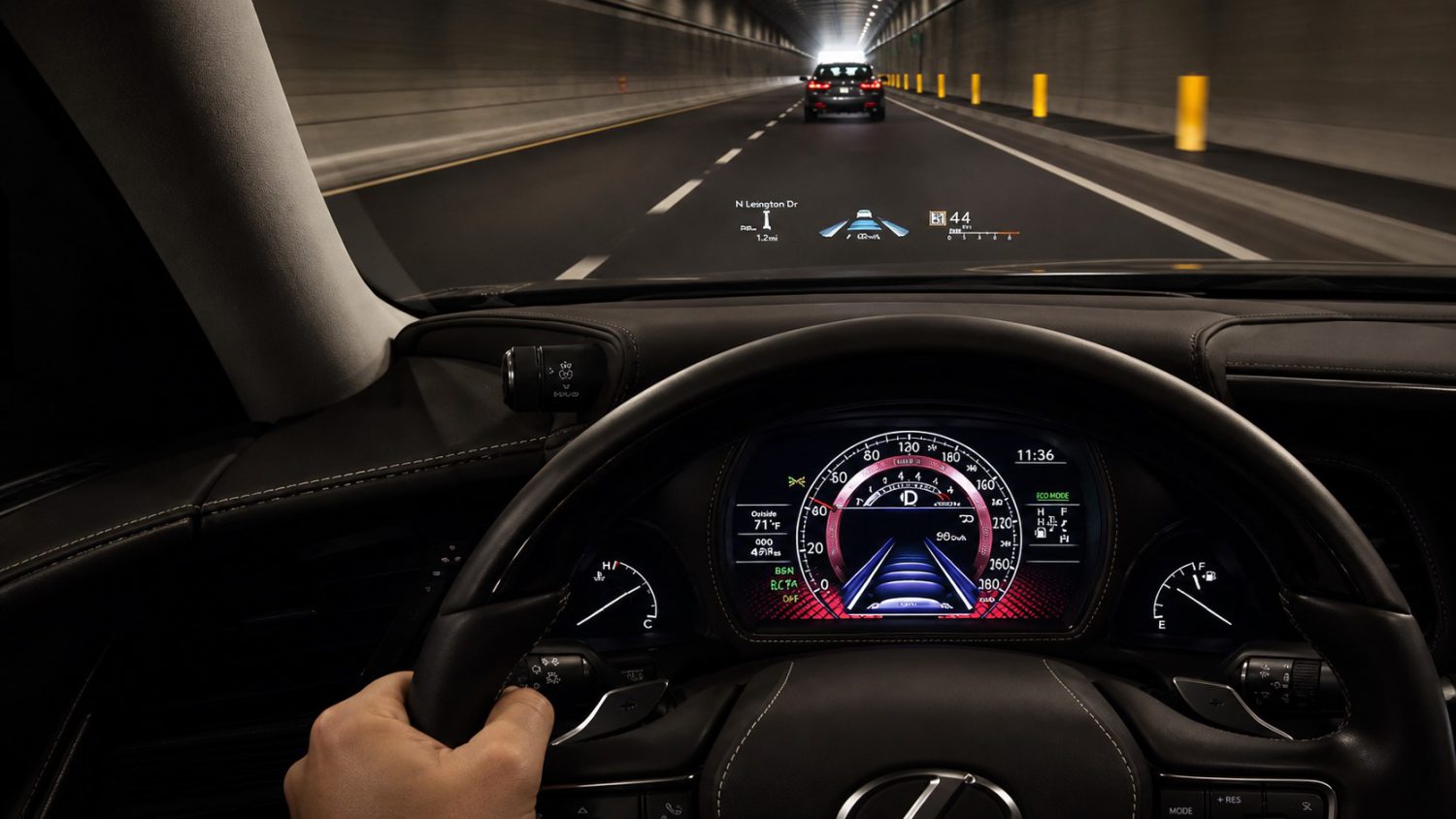
Lexus owner manuals confirm the driver monitor camera tracks three things:
- face position
- gaze direction
- eye-opening state
When the algorithm decides your eyes aren’t open enough, it warns you. The manuals also acknowledge the system can fail when the camera can’t capture your full face correctly — a candid admission that the hardware has limits.
Lexus manuals confirm eye-opening state is an active detection variable, and that incorrect seat or steering-wheel positioning can cause warnings or reduced operation. Independent reporting, including coverage by CarScoops and CarBuzz, has documented similar systems triggering false drowsiness alerts on some Asian faces. The mechanism behind these failures is a fixed threshold — a single cutoff number the software uses to judge “eyes open” versus “eyes closed.” And the viral loaner-car claim, for its part, remains unverified by any mainstream or primary source.
A Fixed Number Trying to Read Every Human Face
The threshold problem is where documented software bias meets real-world consequences.
That threshold problem is the real story. The software compares your eye openness against a hard number. If your eyes naturally sit below that line — as they do for many people of Asian descent — the car flags you as impaired.
That’s not malice. It’s a calibration failure. Technical research on driver-monitoring systems describes eye-state detection using fixed metrics like eye aspect ratio, with a universal cutoff that doesn’t account for natural variation in eye shape. When the training data under-represents certain facial phenotypes, the threshold becomes a liability.
The specific Lexus loaner anecdote can’t be independently verified. What remains, though, is this: independent reporting and technical research have both confirmed that driver-monitoring systems produce false drowsiness alerts based on eye-shape variation. The failure mode is real, even if this particular story is murky.
What Happens When the Algorithm Gets It Wrong at 70 mph
Alarm fatigue is a documented safety risk — and a biased system manufactures it deliberately for some drivers.
As driver-monitoring becomes standard equipment, the stakes get higher. A system that cries wolf erodes trust. A driver who learns to ignore the alerts — because the car keeps flagging them as drowsy when they’re not — is demonstrably less safe when a real warning fires. That’s not a hypothetical; it’s alarm fatigue, and safety researchers have documented it across industries.
Automakers and regulators need to treat calibration diversity as a safety requirement. Your face is not an edge case.