A single social post about a Brooklyn curiosity shop drew more than 41 million views on X and transformed a disputed retail conversation into a national story. Both parties have offered competing explanations, and the exact words exchanged inside the store have not been independently confirmed.
The dispute also exposed a labeling gap common in specialty retail: commission prices displayed near non-sale objects, with no clear distinction between the two.
What Clarkson Said
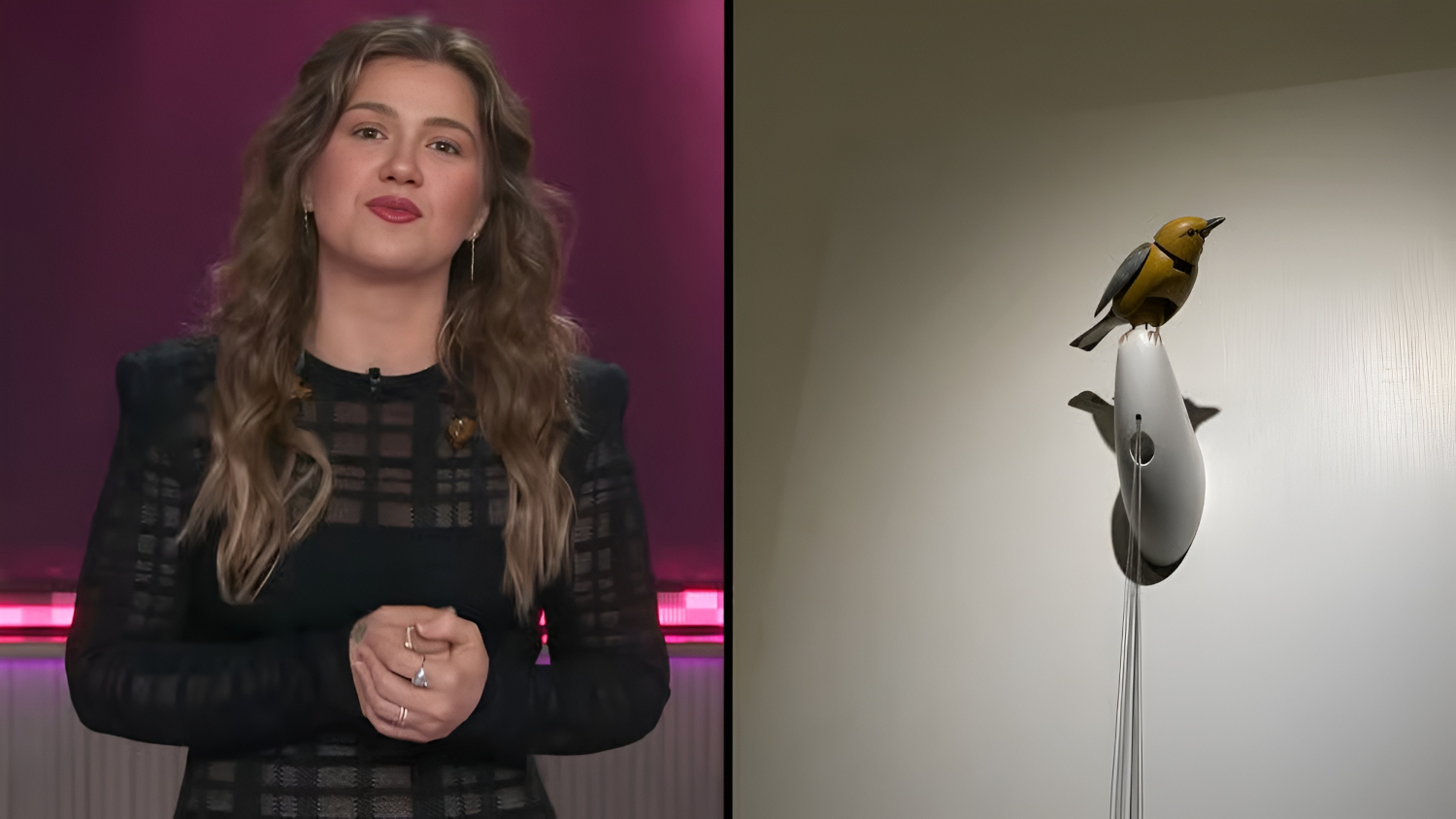
Clarkson’s account centers on a $15,000 price tag she says referred to a bird she was told she could buy.
On Oct. 10, Clarkson posted on X saying she visited Art of Play intending to buy several items but felt staff treated her as though she could not afford them. She compared the experience to the boutique scene in “Pretty Woman” and said she was steered toward a cheaper alternative instead of the item she wanted.
Clarkson said she pointed to a $15,000 price tag beside a singing bird and was told the bird was available for that price. After Art of Play issued its public explanation, she posted again on X accusing the shop of lying and calling its staff rude. Those posts were reported by NBC News and People.
What Art of Play Said
The shop maintains that the bird Clarkson identified was a permanent display piece, not a product available for purchase.
Art of Play identified the bird as Molly, a one-of-a-kind singing-and-dancing automaton designed by Seattle artist Bliss Kolb. The shop said Molly was permanently attached to its wall and used in its magic shows, making her not for sale.
According to the shop’s Instagram statement, the $15,000 figure referred to the cost of commissioning a nearly identical automaton from Kolb, not to Molly herself. Co-owner Adam Rubin also said staff offered Clarkson a separate German-made singing bird for approximately $2,000, but that she left before seeing it. Rubin called the situation an “insane misunderstanding,” according to Reuters.
The exact words exchanged inside the store remain contested. Both accounts should be read as competing claims, not established fact.
The Reach and the Price Tag That Followed
The dispute scaled from a brief retail exchange to a viral controversy within days, ending with a $15 million asking price for the bird.
Clarkson’s post reached her approximately 8.8 million X followers, according to Reuters, with the broader view count reportedly surpassing 41 million. The story spread quickly because it combined a recognizable celebrity, a small independent shop, a price tag open to interpretation, and an unusual object.
After backlash intensified, Rubin announced a new asking price for Molly: $15 million, citing “popular demand.” The revised listing reportedly described her as “the world’s most famous singing bird automata.” No evidence in the available reporting supports a $15 million market value; the figure appears to be a publicity-driven response rather than an independent valuation.
The shop also reported review bombing, abusive messages, threats, and disruption to neighboring businesses, attributing the fallout to the online attention the dispute generated.
What Remains Unresolved
The core of the dispute is an ambiguous price tag and a brief conversation that no publicly available evidence has resolved.
Retailers who display non-sale objects alongside commission prices, without clearly labeling the difference, now have a visible example of that risk. Ambiguity can escalate faster than most shops anticipate, and this case illustrates how quickly a single contested exchange can outpace any explanation. Shoppers curious about paying too much without realizing it may find the dynamics here familiar.