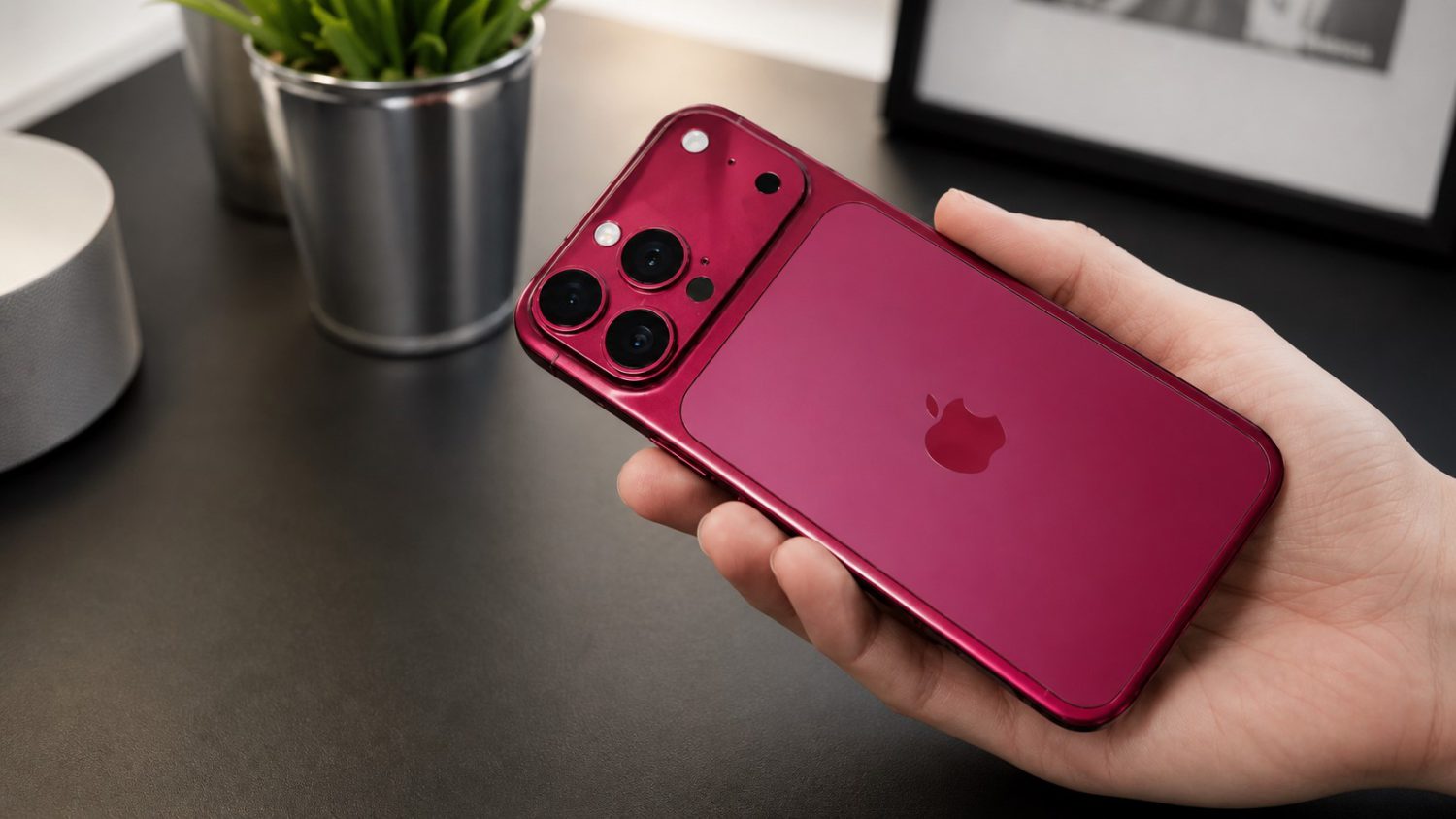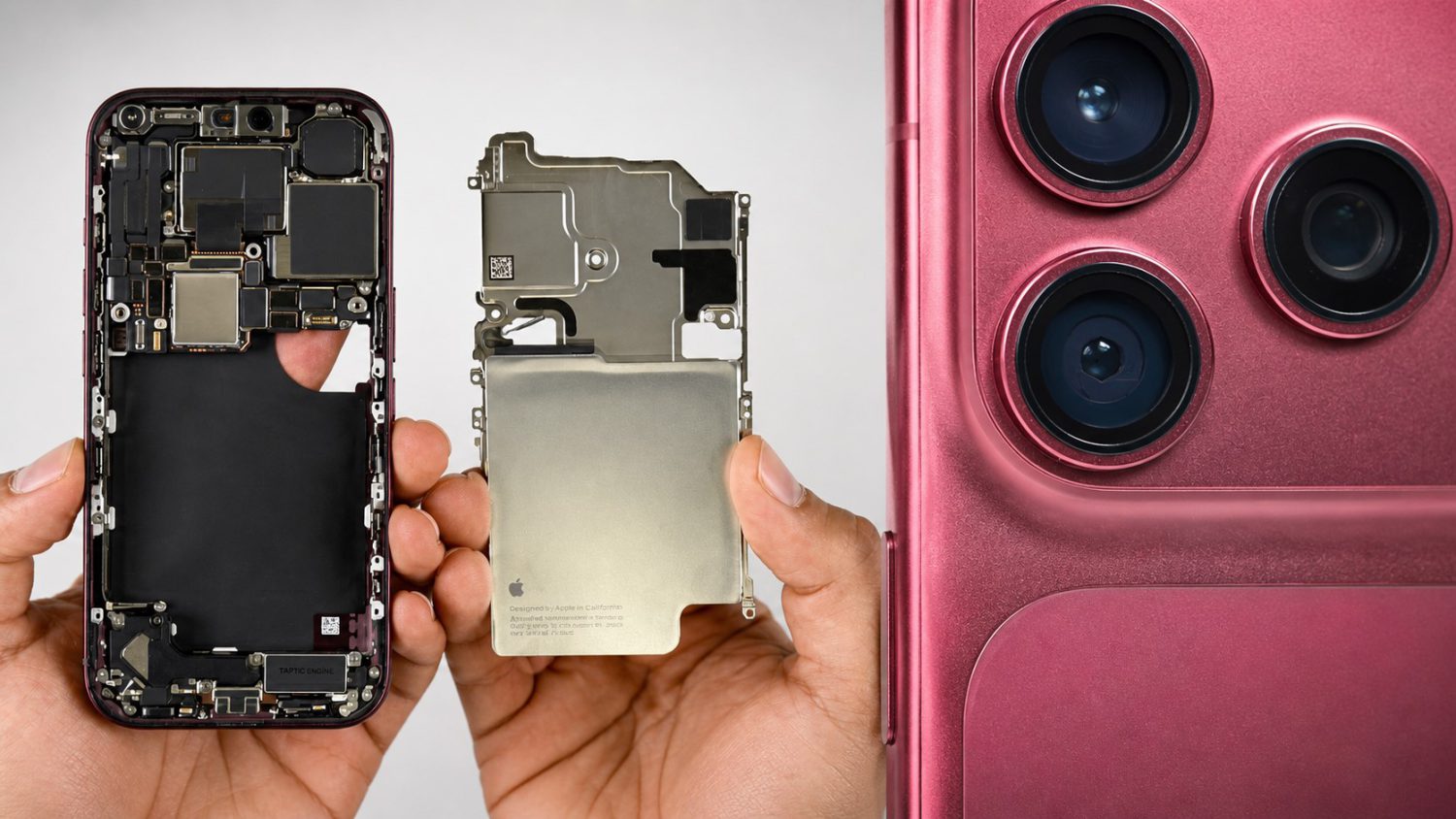
Apple’s most ambitious iPhone camera feature is also, according to iFixit’s teardown published around September 21, potentially the most expensive component on the phone to break. That tension sits at the center of everything worth knowing about the iPhone 18 Pro and Pro Max before you decide whether to upgrade.
The iPhone 18 Pro and Pro Max introduce a variable aperture main camera with six hair-thin polymer composite blades that overlap and slide via magnetic actuation. Four aperture presets are available: f/1.48, f/1.8, f/2.8, and f/4.0. For a broader look at how this stacks up against the competition, the best cameras on the market today span a wide range of price points and sensor sizes.
That f/1.48 opening is the widest ever on an iPhone, letting in 7.3 times more light than f/4.0. The practical depth-of-field difference remains modest, though, given the sensor’s sub-0.5-inch diagonal and 6.8 mm focal length. Background elements stay legible even at the widest setting.
Samsung shipped variable aperture on the Galaxy S9, then quietly dropped it, citing limited functional benefit at smartphone sensor sizes. iFixit’s assessment lands in the same place.
“Stopping down makes the image a little sharper,” iFixit’s teardown team wrote. “But this variable aperture control seems, today, like it adds a lot of very tiny points of potential failure for very little benefit.”
A Mechanism Nobody Can Fix
The iris blades are a feat of miniaturization, and that is precisely the problem.
When iFixit heated and pried the camera module open, aperture blades flew across the teardown room. Each blade is roughly as thick as a human hair, with clusters of slots and holes that interface with drive pins at tolerances so tight that a single bent blade or speck of contamination causes a malfunction.
Think of the precision required to reassemble a mechanical watch movement without any of the specialized tools: that is roughly the level of difficulty iFixit encountered here, except the components are smaller and coated in stubborn adhesive.
Component-level iris repair is effectively off the table. A stuck or damaged aperture blade means replacing the entire camera assembly. The iPhone 17 Pro’s camera assembly already costs $249; iFixit expects the 18 Pro’s variable-aperture module to run higher once parts pricing is published.
The saving grace: the camera module itself remains modular and accessible once you are inside the phone, so swapping the full assembly is at least straightforward.
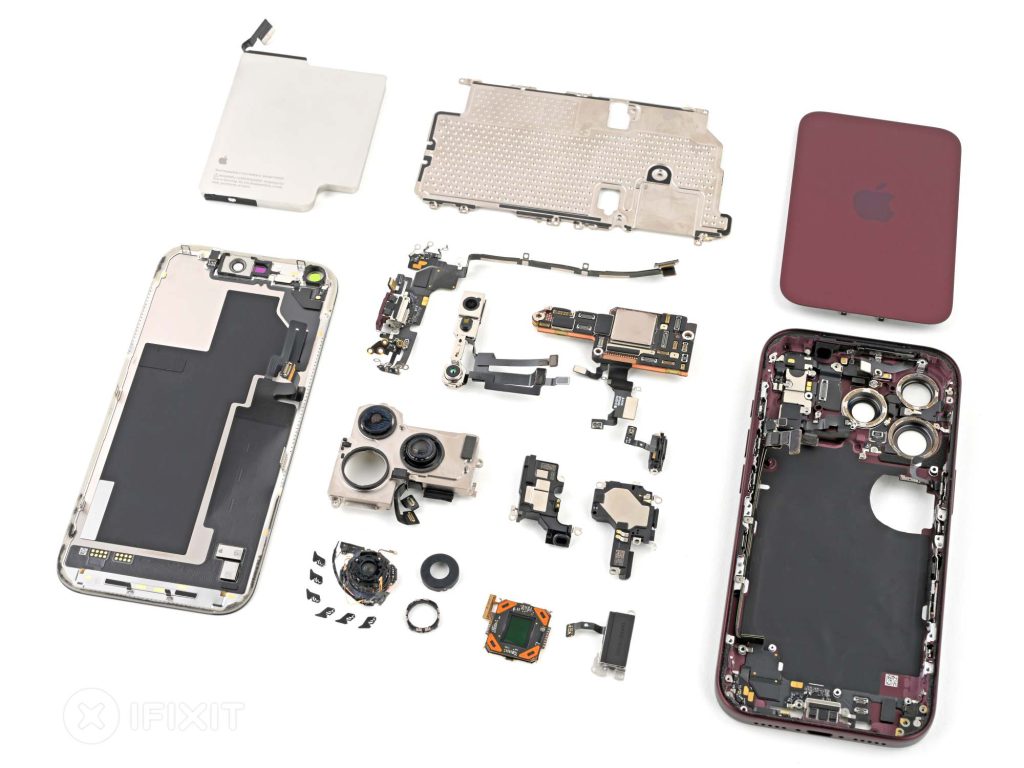
Repairability Score: 7/10, With a Serious Asterisk
iFixit credits real progress on battery access, then immediately flags a fragility problem that could undercut it.
iFixit assigns both phones a provisional 7/10 repairability score. The screwed-in metal battery tray is a genuine step forward: 13 screws, electrically released adhesive at 12V for 90 seconds, and no wrestling with traditional pull-tabs.
The problem is getting there. Every meaningful repair, including battery replacement, still requires opening the front display rather than the back.
On three of the four units iFixit opened, the white plastic frame bonded to the display assembly cracked or pulled away during removal. The glass and panel kept working, but that frame is integral to water resistance and proper fit.
It is the kind of routine task that creates unexpected collateral damage: you go in for an $80 battery swap and come out needing a display repair. One clean screen removal required 15 minutes at 70°C followed by 10 minutes at 72°C of sustained heating.
iFixit suspects the enlarged vapor chamber may be drawing heat away from the adhesive seam, preventing it from softening at standard temperatures. They call this their “biggest unanswered repair question” and are actively gathering data from other repair shops.
The USB-C port is technically replaceable, but a long flex cable routed past screws, adhesive, and surrounding components makes it considerably harder to access than on the iPhone 16 Pro.
Thermal Gains, a Buried Trade-off
The new cooling architecture is genuinely impressive, though it pushes NAND storage into a harder-to-reach position.
The A20 Pro SoC now sits on the outside of the logic board, creating a direct thermal path into a vapor chamber three times the surface area of prior Pro models. A mesh-like thermal chain mail interface bridges the gap between the chip and the chamber.
The trade-off is that NAND storage now sits deeper inside the logic board sandwich. That placement adds complexity and risk for data recovery specialists who need direct chip access.
One modem note: the US iPhone 18 Pro Max uses a Qualcomm Snapdragon X80-class chip rather than Apple’s in-house C2 modem, tied to Apple’s settlement requiring Qualcomm modems in some models through 2026. The Pro Max’s larger 21.751 Wh battery absorbs the difference in power draw.
iFixit’s bottom line is blunt: “the most sustainable phone is the one already in your pocket.” The variable aperture is real engineering. Whether it justifies the repair risk for your specific situation is the honest question worth sitting with before you upgrade.