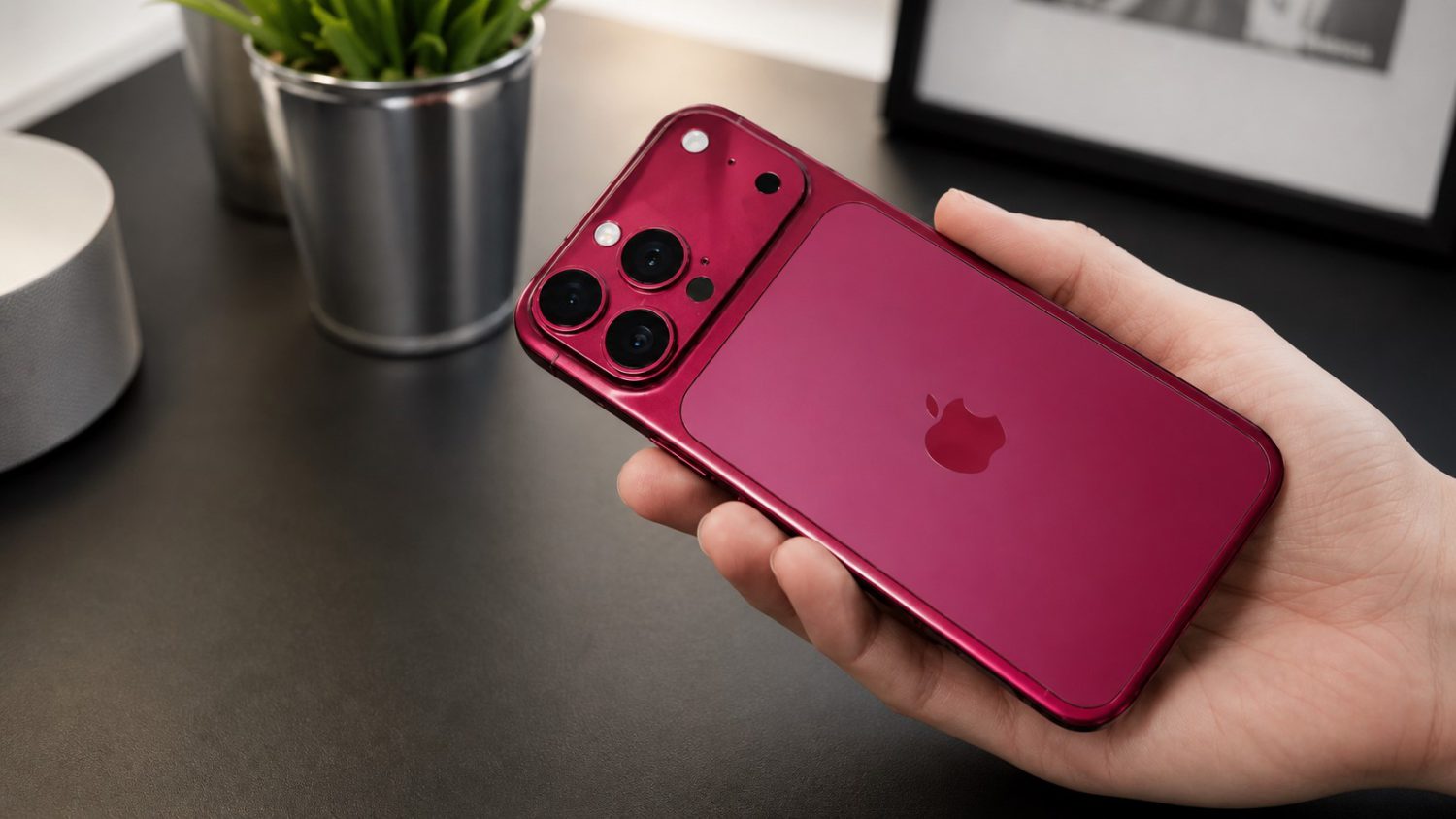
Ship a single lithium-ion cell above 20 watt-hours and you trigger a different tier of international dangerous-goods rules entirely. The iPhone 18 Pro Max crosses that line by a meaningful margin: roughly 21.75Wh on the US eSIM-only model and 21.06Wh on the EU version with a physical SIM slot.
Apple’s answer was not a hardware redesign. According to Apple’s own support documentation, the firmware solution keeps the battery capped below 20Wh from manufacture through delivery. No action is required on a new device; powering up the phone for the first time unlocks everything automatically.
The 20Wh threshold matters because crossing it with a single cell typically eliminates the consumer-device exemptions that make shipping phones straightforward. Carriers then face extra documentation, specialized packaging, and stricter labeling requirements under international transport rules.
Most manufacturers historically avoided this by keeping individual cells below that mark or splitting capacity across multiple smaller cells. Apple’s approach is the first widely documented case of a major OEM using firmware, rather than hardware architecture, to satisfy the threshold at shipping time.
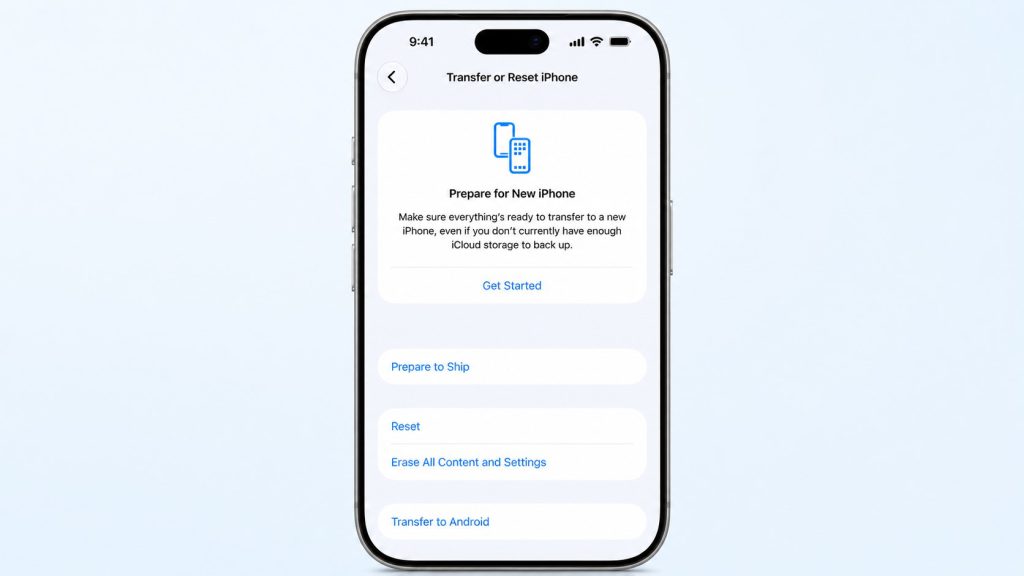
Prepare to Ship
For already-activated units heading back to Apple or to a new owner, iOS 27 adds a dedicated compliance step that brings the battery back under the regulatory limit.
Post-activation logistics introduce a second complication. If you send your iPhone 18 Pro Max back for repair, trade it in, or mail it as a gift, the battery is already unlocked and sitting above 20Wh. iOS 27 addresses this with a dedicated “Prepare to Ship” option found under Settings, General, Transfer or Reset iPhone.
Apple’s documentation states the feature discharges the battery life below 20Wh and holds a charge limit there for up to 14 days, covering the typical shipping window. One regional report notes the discharge process can produce temporarily elevated device temperature, so running it immediately before you need the phone is not advisable.
The US eSIM-only model carries the larger of the two post-activation capacities: approximately 21.75Wh, or around 5,567mAh. The EU model with a physical SIM slot comes in at roughly 21.06Wh, around 5,391mAh. Both variants ship firmware-capped below 20Wh regardless of destination.
Worth noting: Apple reports “rated” capacity, while most Android competitors publish “typical” capacity figures. That difference makes raw mAh comparisons across brands less reliable than they appear.
A Precedent for the Industry
Apple’s firmware workaround may give other manufacturers a replicable path to larger single-cell batteries without the complexity of separate regional hardware.
Industry observers have speculated, without confirmed policy action, that the firmware-limiting approach could spread. Any brand with a large single-cell battery would gain a path into regulated markets without maintaining separate regional hardware configurations, removing pressure to ship smaller batteries into the US or EU and pushing toward uniform global specs.
Whether regulators will eventually narrow that path is unclear. As of publication, no confirmed policy update to the 20Wh single-cell boundary has been announced, though industry observers note the threshold may not reflect current cell chemistry realities indefinitely.
Buyers in both regions receive full battery performance the moment they activate the phone, with no difference in capacity between markets. The only friction is the Prepare to Ship step before any post-purchase mailing, a modest trade-off for what is effectively the largest iPhone battery Apple has ever shipped.