Your phone tracks your location every few seconds. Smart TVs monitor viewing habits. Even your car reports driving patterns to insurance companies. But in Green Bank, West Virginia, this digital surveillance simply stops working—and the silence is deafening.
Where Wireless Signals Go to Die
Federal law bans most electronic signals across 13,000 square miles to protect radio telescopes.
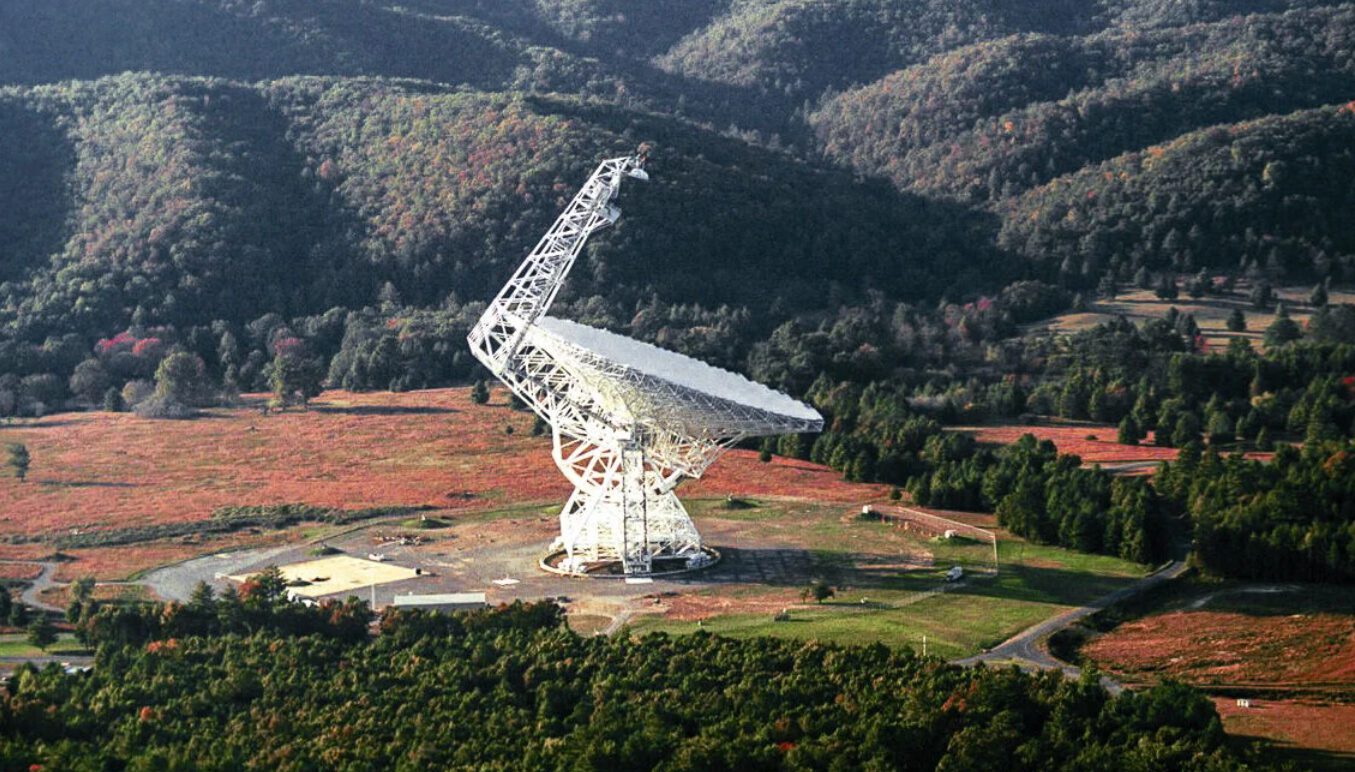
The National Radio Quiet Zone stretches across parts of West Virginia, Virginia, and Maryland, created in 1958 to shield the Green Bank Observatory’s massive radio telescope from interference. Within the innermost Zone 3, cell phones, Wi-Fi, Bluetooth devices, and even microwaves face strict restrictions under West Virginia law. Your iPhone becomes an expensive paperweight. Your smart home gadgets turn into regular, dumb appliances.
The rules create a tiered system of restrictions. Zone 3 bans almost all intentional radio transmitters within its boundaries. Move further out, and regulations gradually relax, but coordination with the observatory remains mandatory for fixed transmitters throughout the entire 13,000-square-mile area.
The Accidental Privacy Sanctuary
Electromagnetic hypersensitivity refugees discovered an unexpected benefit of radio silence.
Around 30 residents relocated to Green Bank by 2013 specifically for relief from what they describe as electromagnetic hypersensitivity—headaches, skin burning, and other symptoms they attribute to cell towers and wireless devices. The medical establishment remains skeptical of EHS claims, but these digital refugees found something valuable regardless: complete freedom from constant connectivity.
In August 2025, the observatory permitted 2.4GHz Wi-Fi for residents, businesses, and the local school, though visitors must still disable wireless devices. Cable and satellite TV work fine, and emergency radios remain allowed—you’re not completely cut off from the world.
Living Like It’s 1995
Daily life requires creative workarounds that privacy advocates might actually prefer.
Enforcement happens through observatory cooperation rather than hefty FCC fines (maximum penalty: $50). Staff use detection equipment to locate radio frequency hotspots, working with residents to eliminate interference rather than issuing tickets. Observatory data from 2019 showed approximately 175 such hotspots were identified that year.
The result feels like stepping into a time machine where landlines matter, maps come printed on paper, and dinner conversations happen without notification interruptions. Your privacy isn’t protected by encrypted messaging apps or VPN tunnels—it’s guaranteed by federal law and physics.
This might sound like digital purgatory, but consider how liberating it feels when your location isn’t being harvested, your conversations aren’t triggering targeted ads, and your attention isn’t constantly fragmented by alerts. Green Bank accidentally created what privacy advocates spend thousands on Faraday bags and signal blockers to achieve.
Maybe the question isn’t whether you could live in Green Bank, but whether you can create your own quiet zone back home.