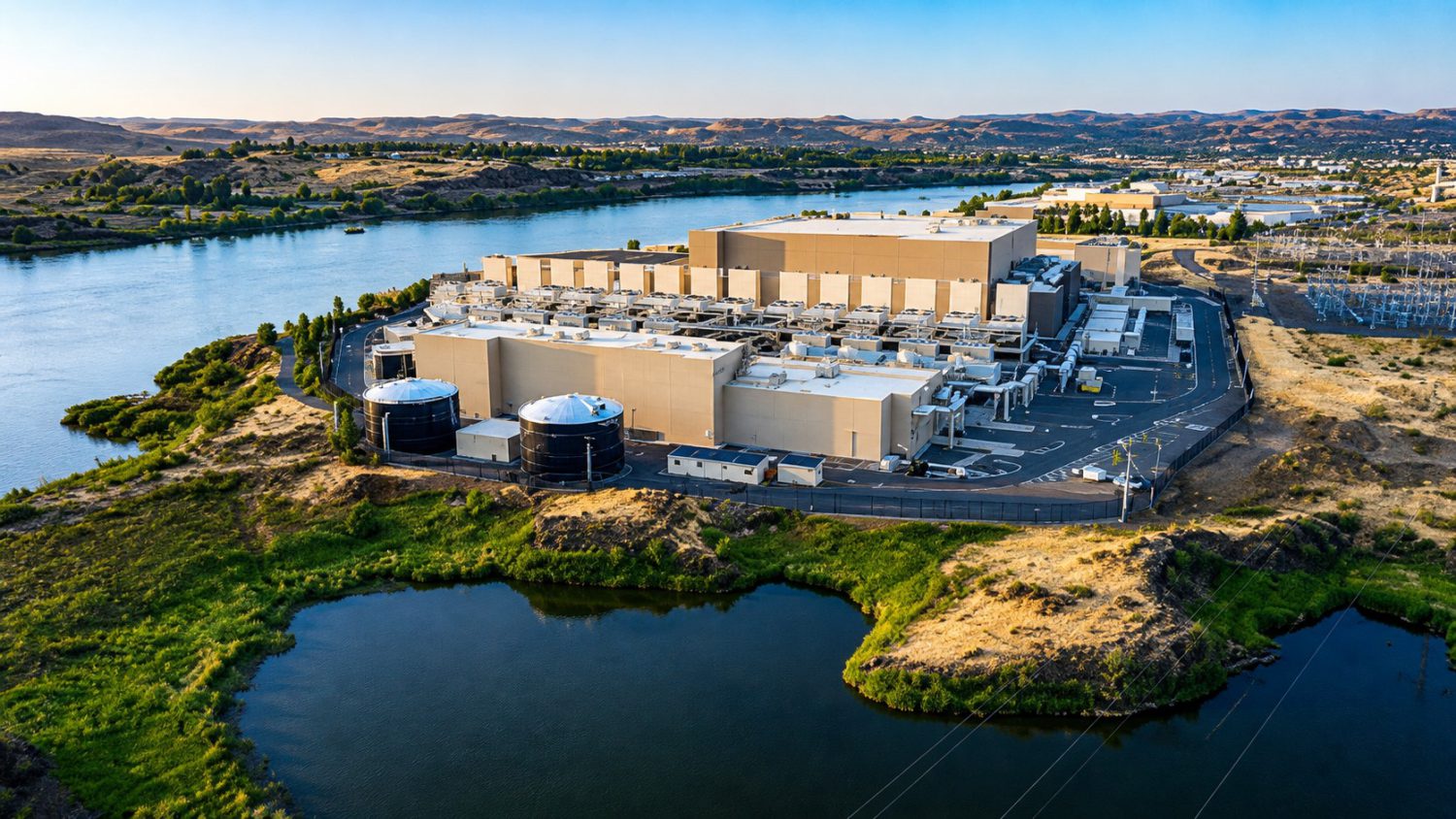
What if somewhere in Loudoun County, Virginia, a data center hums along inside what the EPA officially classifies as a “minor” pollution source? Researchers at Harvard T.H. Chan School of Public Health and the Piedmont Environmental Council ran the numbers on the Vantage facility there. Their findings are hard to call minor by any reasonable standard:
- $53 million to $99 million in annual health damages
- 3.4 to 6.5 premature deaths per year
- A pollution footprint reaching more than 2.5 million people across Northern Virginia
Over 30 years, that projects to potentially $2.97 billion in damages and up to 195 premature deaths, at legally permitted emission levels. Minor, apparently, is relative.
“Leave communities in the dark.” That’s how the Environmental Protection Network — a group of former EPA staff — described the likely consequence if this rule change is finalized.
Harvard-affiliated health scientist Michael Cork used publicly available permit data to model health impacts from data center emissions in Virginia. His analysis directly shaped local debates and contributed to the denial of a fossil-fuel plant expansion in Fluvanna County. Public data plus public comment equals public accountability. Remove the notice requirement, and that chain breaks.
States Gain Discretion; Residents Lose a Federal Floor
The EPA’s proposed rule hands public participation decisions entirely to states, creating a patchwork of transparency at the worst possible moment.
Under the Clean Air Act, state and local regulators have been required for roughly 50 years to publish notice and hold a 30-day comment window before approving “minor source” air permits — covering everything from laundromats to data centers running diesel backup generators. The EPA’s proposal eliminates that federal floor. States can keep their own requirements if they choose. Or not. An EPA spokesperson, according to the New York Times, described the change as giving states discretion on “whether, when, and for how long” to provide public participation opportunities.
A coalition of 14 state attorneys general and three cities called it dismantling “transparency and democratic safeguards.” They noted that even “minor” sources can pose “significant health and environmental impacts.”
The uncomfortable reality is that communities are already getting blindsided under existing rules:
- Per Tom’s Hardware reporting, an Amazon data center in Gilroy, California was under construction before most residents knew it existed.
- In Festus, Missouri, residents sued over inadequate notice.
- There are now 142 documented protests across 42 states and 500-plus local bans on AI data centers — a signal of how thoroughly people already feel cut out of the process.
AI infrastructure gets marketed as clean and frictionless, the kind of thing that just exists quietly in the background, like your streaming playlist. The physical reality is diesel generators and gas turbines in dense suburban corridors, permitted quietly as “minor” sources. The EPA’s proposal, expected to take effect within roughly a year, risks making that silence the legal default. Whether you get any say about what gets built near your home may soon depend entirely on which state you live in — and how aggressively that state is courting data center investment.