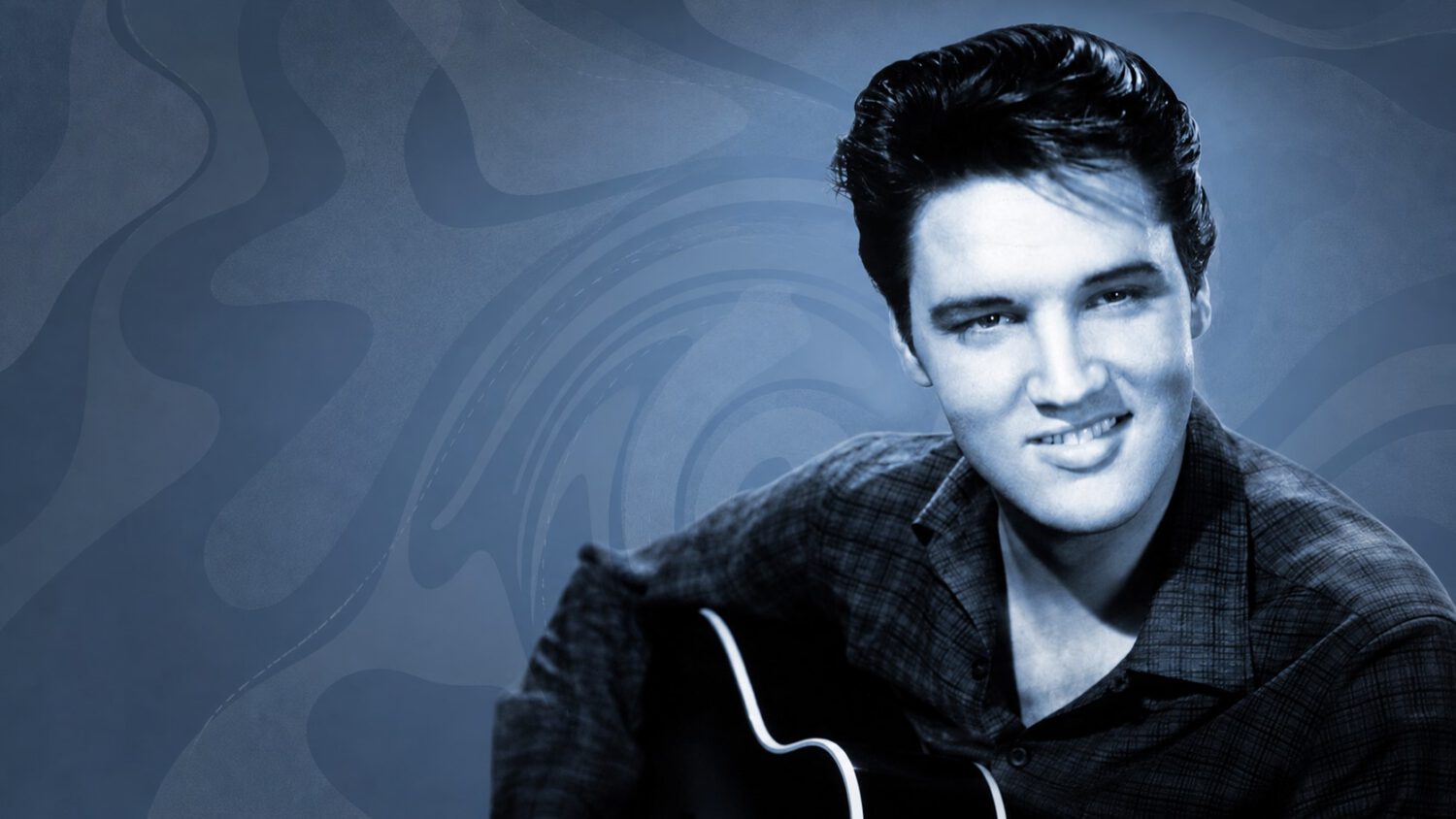
Elvis Presley’s rights holders sued Anthropic in federal court on October 23, alleging the AI company trained its Claude assistant on 274 copyrighted songs without permission or payment. A subsidiary of Authentic Brands Group, joined by additional Presley rights holders, filed the complaint naming Anthropic as defendant.
What the Lawsuit Claims
The complaint identifies 274 Presley songs and alleges that Claude can generate outputs that reproduce or closely imitate them.
The lawsuit names some of the most recognized songs in American music: “Can’t Help Falling in Love,” “Don’t Be Cruel,” “All Shook Up,” “A Little Less Conversation,” “Return to Sender,” and “(You’re The) Devil in Disguise,” among 268 others, according to NBC News and Billboard.
AI model training involves feeding large volumes of text and other content into a system so it learns patterns, structures, and language. According to the plaintiffs, Anthropic fed Presley’s lyrics into Claude without a license, and the model can now produce outputs that allegedly reproduce those lyrics or closely imitate the structure and hooks of existing songs.
The complaint alleges those outputs constitute unlicensed derivative works. Training on copyrighted material and generating similar content are related but legally distinct issues; no single ruling has resolved either question for the AI industry broadly.
What Is at Stake
The complaint seeks up to $150,000 per song, and the rights holders have hired an attorney with a prominent copyright track record.
Statutory copyright damages can reach $150,000 per work. Applied across 274 songs, the maximum statutory damages sought total approximately $41.1 million, according to NBC News. One Los Angeles Times report cited a figure of roughly $50 million; that difference likely reflects attorney fees or additional costs, though the complaint itself identifies the $41.1 million statutory figure.
The plaintiffs also seek an injunction against further alleged infringement and the destruction of any unauthorized copies of the works. Anthropic disputes the allegations and has stated it intends to defend the case fully.
The company’s position reflects the argument most AI developers have advanced: that using copyrighted material during model training may qualify as fair use under U.S. copyright law. No single ruling has settled that question across the industry.
The plaintiff’s choice of lead counsel is notable. Richard Busch represented Marvin Gaye’s estate in the “Blurred Lines” litigation against Robin Thicke and Pharrell Williams, according to Billboard. He also represented Eminem in digital-download litigation, per the same reporting.
This lawsuit is part of a broader wave. Music publishers and major labels have filed a growing number of suits against AI developers over alleged unauthorized training data use, including separate litigation against AI music company Suno, according to Billboard.
Why This Case Matters Beyond the Catalog
The outcome could reshape how AI developers acquire training data and what rights holders can demand in return.
A ruling against Anthropic could require developers to license music catalogs before training or create compensation structures for rights holders. A ruling in Anthropic’s favor could strengthen fair-use arguments that the music industry has contested. Either outcome would carry significant consequences for songwriters, publishers, artists, and AI developers watching this case unfold.