Running out of storage space again? Your 4K vacation videos and endless photo streams aren’t slowing down, but your devices keep hitting walls. Researchers at Arizona State University just cracked a solution that makes your laptop’s terabyte drive look quaint: DNA molecules that store data denser than anything silicon-based can dream of achieving.
DNA Gets a Tech Job Beyond Biology
Scientists transform genetic material into the ultimate data storage medium.
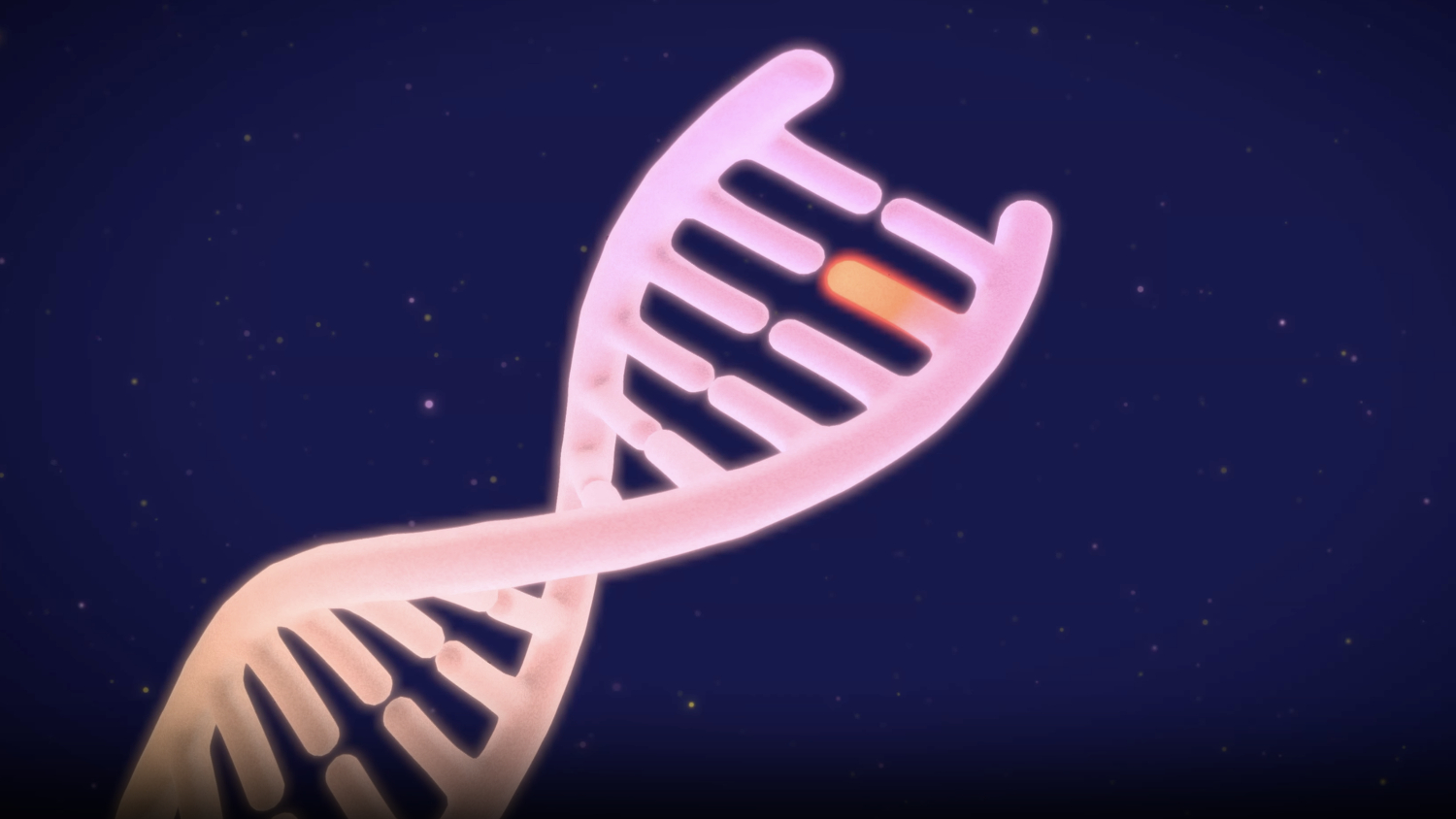
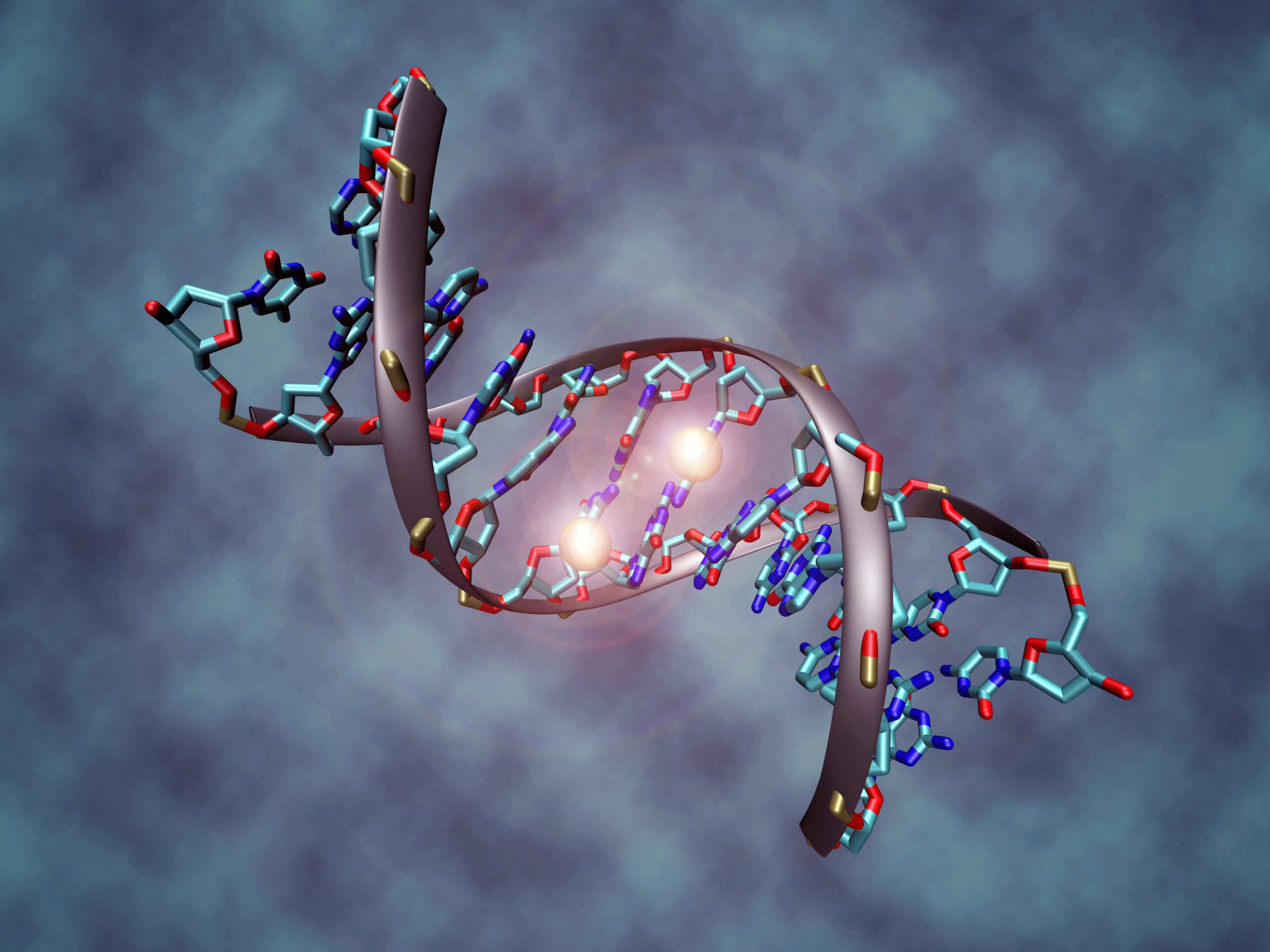
ASU’s team, led by Hao Yan, Chao Wang, and Rizal Hariadi, published two breakthrough studies showing DNA can pull double duty as both storage medium and encryption system. Their first approach uses DNA nanostructures as physical “letters” that electrical sensors read through machine learning—no expensive DNA sequencing required.
The second method employs DNA origami, folding genetic material into 2D and 3D patterns that hide data in plain sight. “By treating DNA as an information platform rather than just a genetic material, we can begin to rethink how data is stored, read and secured at the nanoscale,” according to Yan.
The numbers back up the ambition: DNA packs 1 exabyte per cubic millimeter, making it 1000 times denser than hard drives and 300 times more durable than backup tapes.
From Wikipedia to Your Wedding Album
Real-world demonstrations prove DNA storage works beyond laboratory concepts.
This isn’t purely academic speculation. Microsoft has been developing data storage since 2015, and researchers successfully encoded 16GB of Wikipedia into genetic material back in 2019. By 2021, writing speeds hit 1 Mbps—still slow by SSD standards, but progress that matters for long-term archiving.
DNA recovered from 2-million-year-old sediments proves this storage medium outlasts civilizations. The catch? Current synthesis costs hover around $7,000 for just 2MB of storage. Error rates remain high without sophisticated correction codes like Reed-Solomon algorithms. Your Netflix downloads won’t migrate to DNA anytime soon.
Your Future Digital Legacy
Cost reductions and reliability improvements point toward consumer viability.
Yet enzymatic synthesis advances continue dropping costs while improving reliability. Beyond Microsoft and ASU, institutions like the Wyss Institute are developing competing approaches that could accelerate market readiness. Storing a single smartphone photo collection would currently cost thousands, but progress toward practical implementation continues.
Your growing collection of family videos, AI-generated art, and digital memories could eventually fit in a space smaller than a grain of rice—and survive longer than the pyramids. DNA storage won’t replace your phone’s SSD tomorrow, but it promises to solve the data explosion that traditional storage simply can’t handle forever.