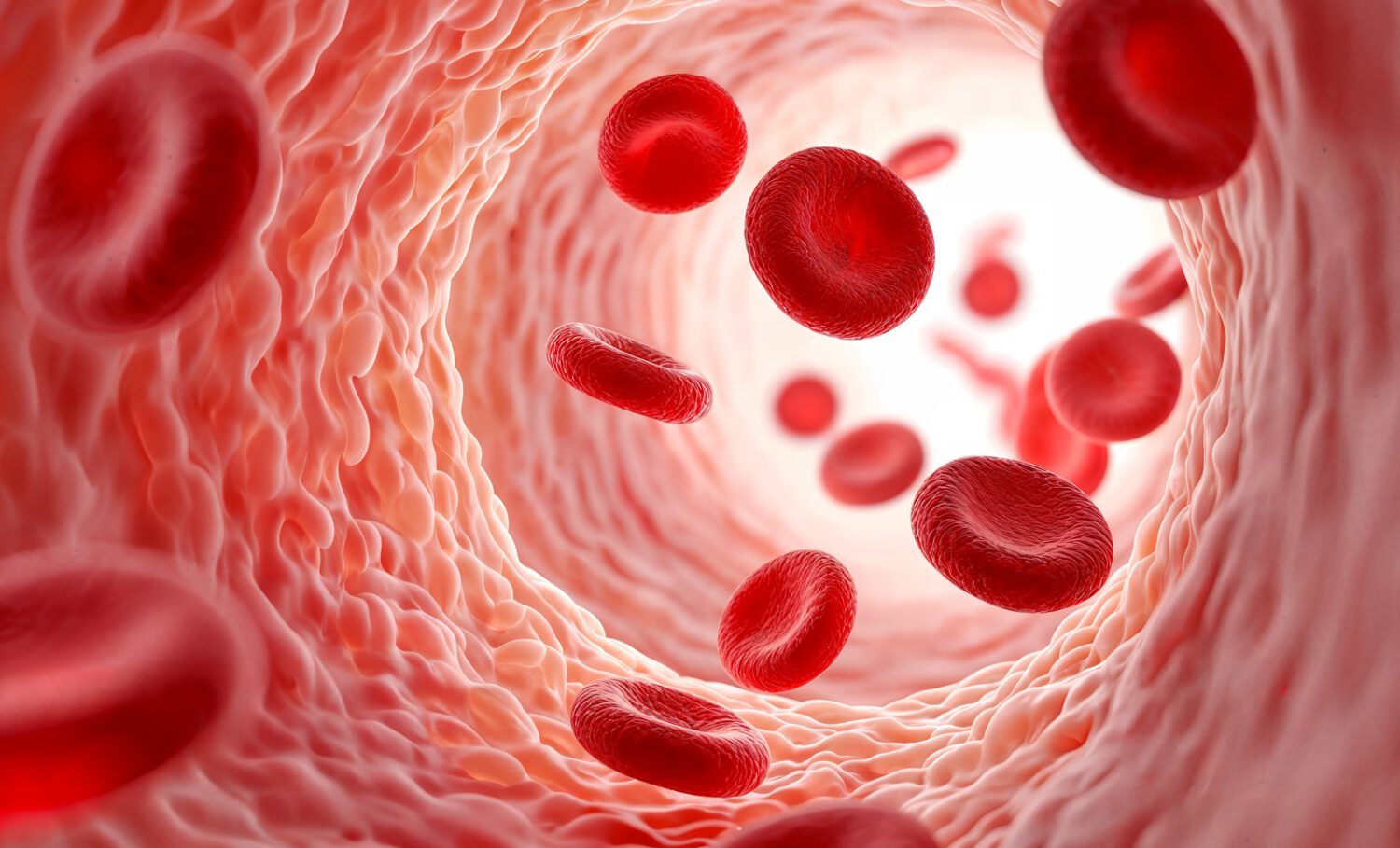
Cells taken from an 80-year-old donor reached an estimated molecular age below 20 after being reprogrammed in a laboratory. That number comes from epigenetic clocks, which measure chemical modifications on DNA that affect how genes are read, not a person’s chronological age or overall health.
This is a research tool, not a treatment. The study, published in Aging Cell in 2026 by researchers at the University of Bonn and University Hospital Bonn, creates a laboratory model for studying age-related changes in brain tissue.
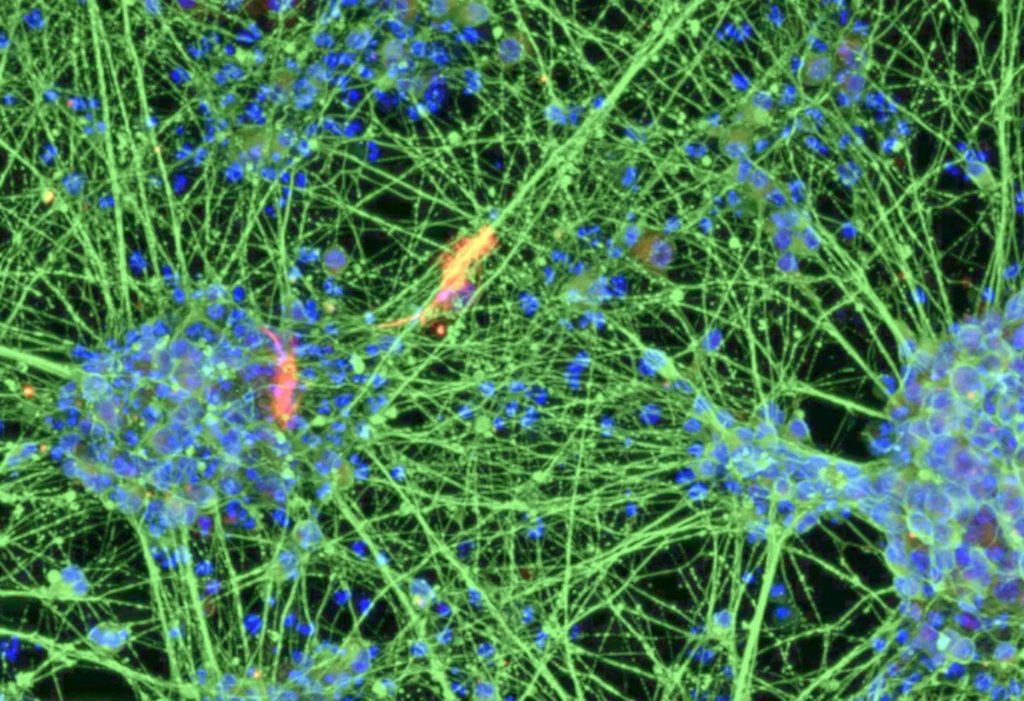
© Image: Brüstle Research Group / University of Bonn
How the Reprogramming Worked
Researchers skipped a standard intermediate step and observed something unexpected in the cells’ molecular age.
The team converted red-blood-cell precursors directly into induced neural stem cells, bypassing the pluripotent intermediate stage used in methods that pass through a pluripotent state. Because the conversion skipped that stage, researchers could observe how aging-related molecular changes shifted across the full transition.
Key details from the study, per the University of Bonn announcement (October 9, 2026):
- Donor age: 80 years old
- Estimated post-reprogramming molecular age: below 20, per epigenetic-clock measurements
- Cell type produced: induced neural stem cells capable of generating neurons
- Method: direct conversion, no pluripotent intermediate stage
- Published in Aging Cell, 2026; research from University of Bonn and University Hospital Bonn
The reprogramming reset epigenetic markers substantially without altering the underlying genetic sequence. The resulting neural stem cells can generate neurons, creating donor-derived laboratory models for studying aging-related brain changes.
The Surprise Was the Timeline
Rejuvenation did not happen overnight; it unfolded over months, and that slowness turned out to be the scientific opportunity.
Methods that pass through a pluripotent stage have shown rejuvenation during that transition. The Bonn team observed something different: molecular age declined gradually, tracked over more than 100 days, with major epigenetic changes resetting over roughly 50 days in the time-course analysis.
That extended window is where the value lies. Researchers can now track which molecular factors accelerate, stall, or reverse the process, and potentially test compounds that influence it.
Oliver Brüstle, Director of the Institute of Reconstructive Neurobiology at University Hospital Bonn, said in the University of Bonn announcement: “We also know that this epigenetic rejuvenation ensures that the cells actually behave like young cells.”
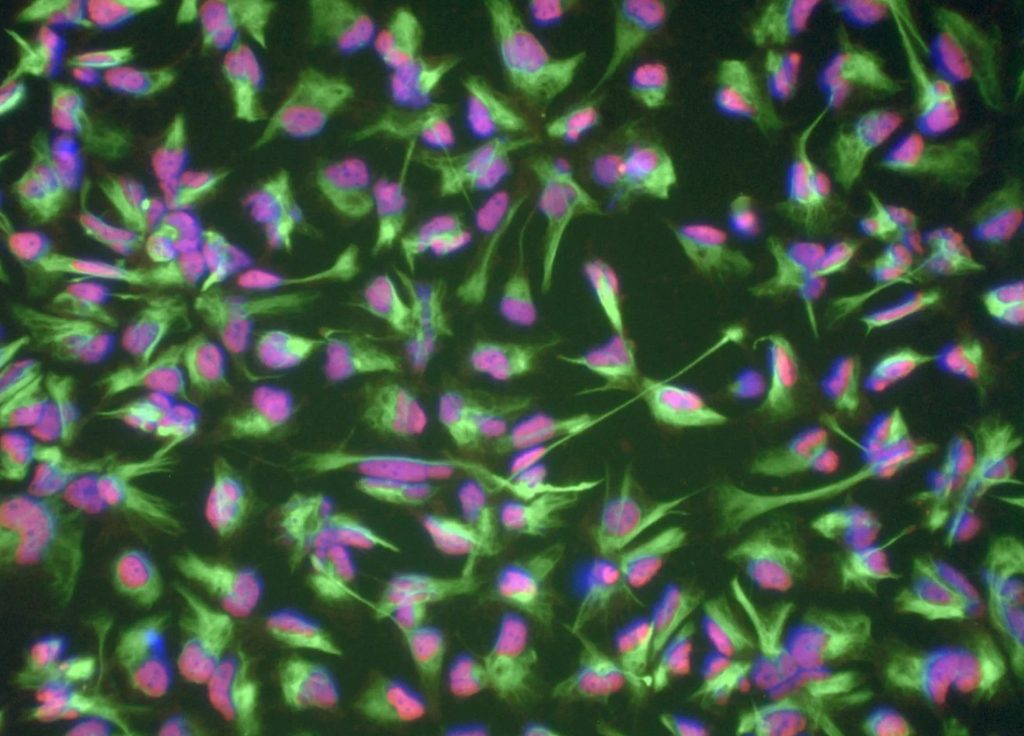
© Image: Brüstle Research Group / University of Bonn
What This Finding Does Not Show
The laboratory result is documented; the broader rejuvenation claims that headlines invite are not supported by it.
This experiment took place in cultured cells, not inside an 80-year-old person. It does not demonstrate that human aging, lifespan, or dementia risk can be reversed in any clinical sense.
An epigenetic age estimate below 20 reflects specific molecular markers, not a complete biological restoration to teenage cell function. Any therapeutic application would require extensive safety, stability, and tumor-risk validation before clinical trials could begin.
Why Researchers Care
The value is in what this model lets scientists study, not in what it promises patients.
The most immediate application is a more precise research instrument for Alzheimer’s and related neurological diseases. Donor-derived neural cells could allow researchers to compare how aging-related molecular changes appear and disappear under controlled laboratory conditions. That level of age-specific precision has been difficult to achieve with existing models, and for now, that is where the real promise sits.