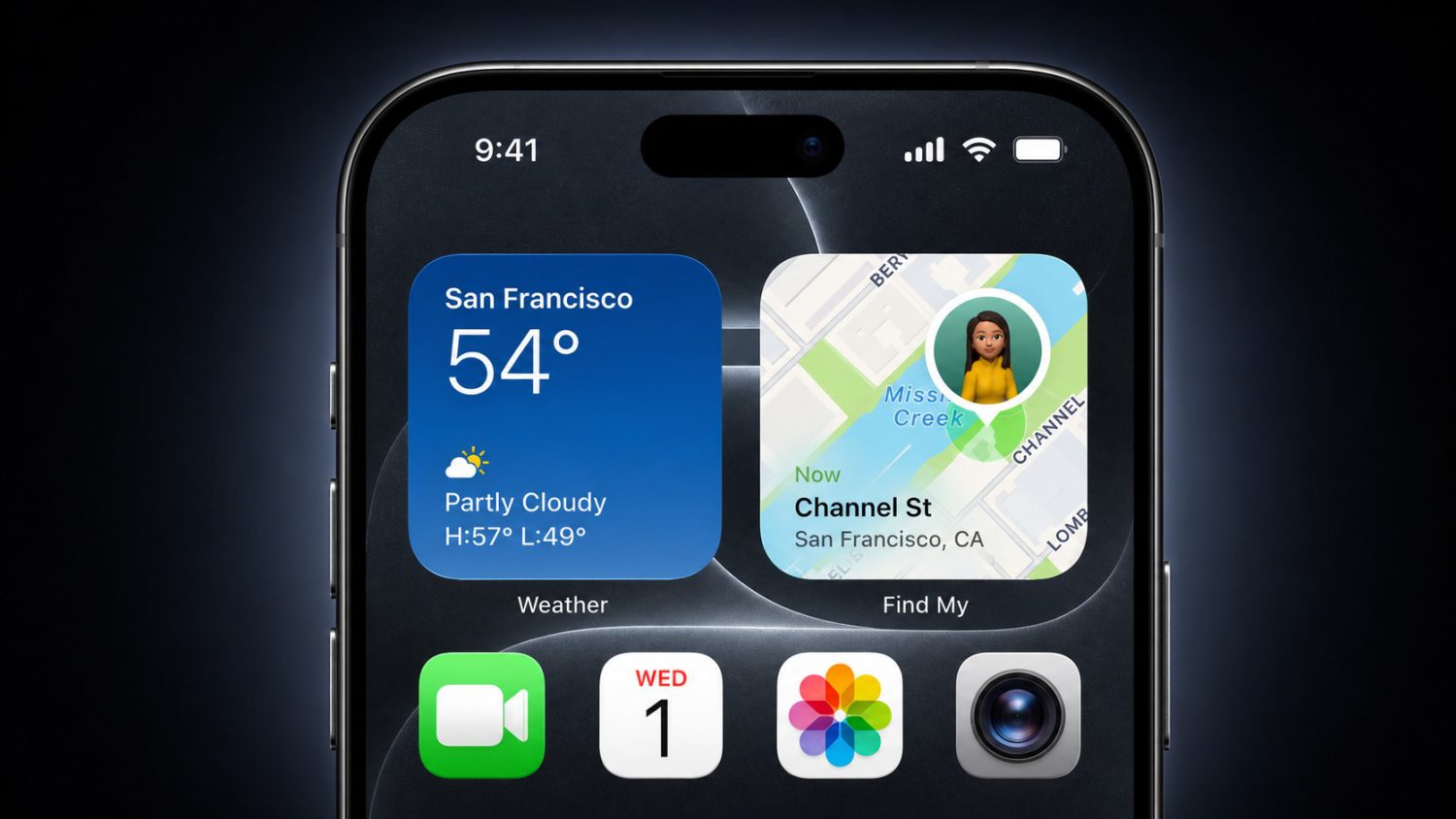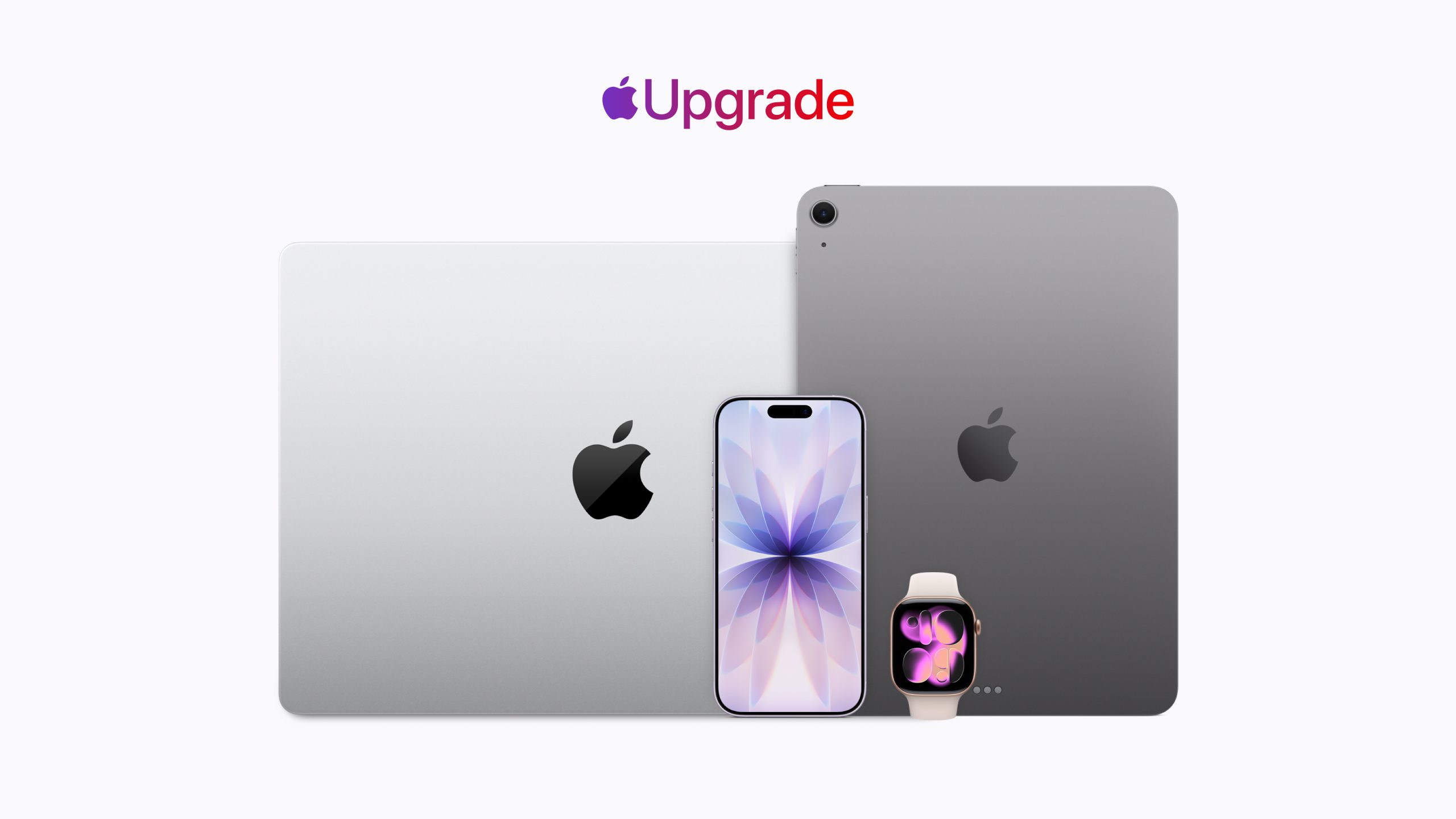
Both programs promise the same thing on the surface: monthly payments, annual upgrades, shiny new Apple hardware. Apple has formally ended the iPhone Upgrade Program for new U.S. enrollments, replacing it with Apple Upgrade — a Klarna-powered leasing structure. The old program was a zero-interest loan. The new one is a rental agreement with a purchase option. That’s not a rebrand. That’s a fundamentally different relationship with your phone — think the difference between a mortgage and a car lease.
The Ownership Shift Hidden in the Fine Print
Under the old program, you were buying your iPhone on installments — now Klarna owns the hardware until you pay a separate buyout fee.
The iPhone Upgrade Program through Citizens One worked like car financing: monthly payments reduced what you owed, and after 24 months, the device was yours outright. Apple Upgrade flips that entirely. Klarna retains ownership of the hardware throughout the lease. When your term ends, you return it, start a fresh lease on a newer model, or pay a purchase option fee to actually own it. Both programs let you upgrade after 12 payments. The mechanic feels identical. The legal reality is not.
What Actually Changed
- Ownership model: Old program meant a 0% interest loan via Citizens One — pay it off, own the phone. Apple Upgrade is a Klarna lease, meaning you own nothing unless you pay a buyout at term end.
- Monthly cost and AppleCare+: A 256GB iPhone 17 runs $32.99/month on a 12-month Apple Upgrade lease versus roughly $39–$52/month under the old program — partly because AppleCare+ was mandatory and baked into every old-program payment; under Apple Upgrade, it’s optional and separate.
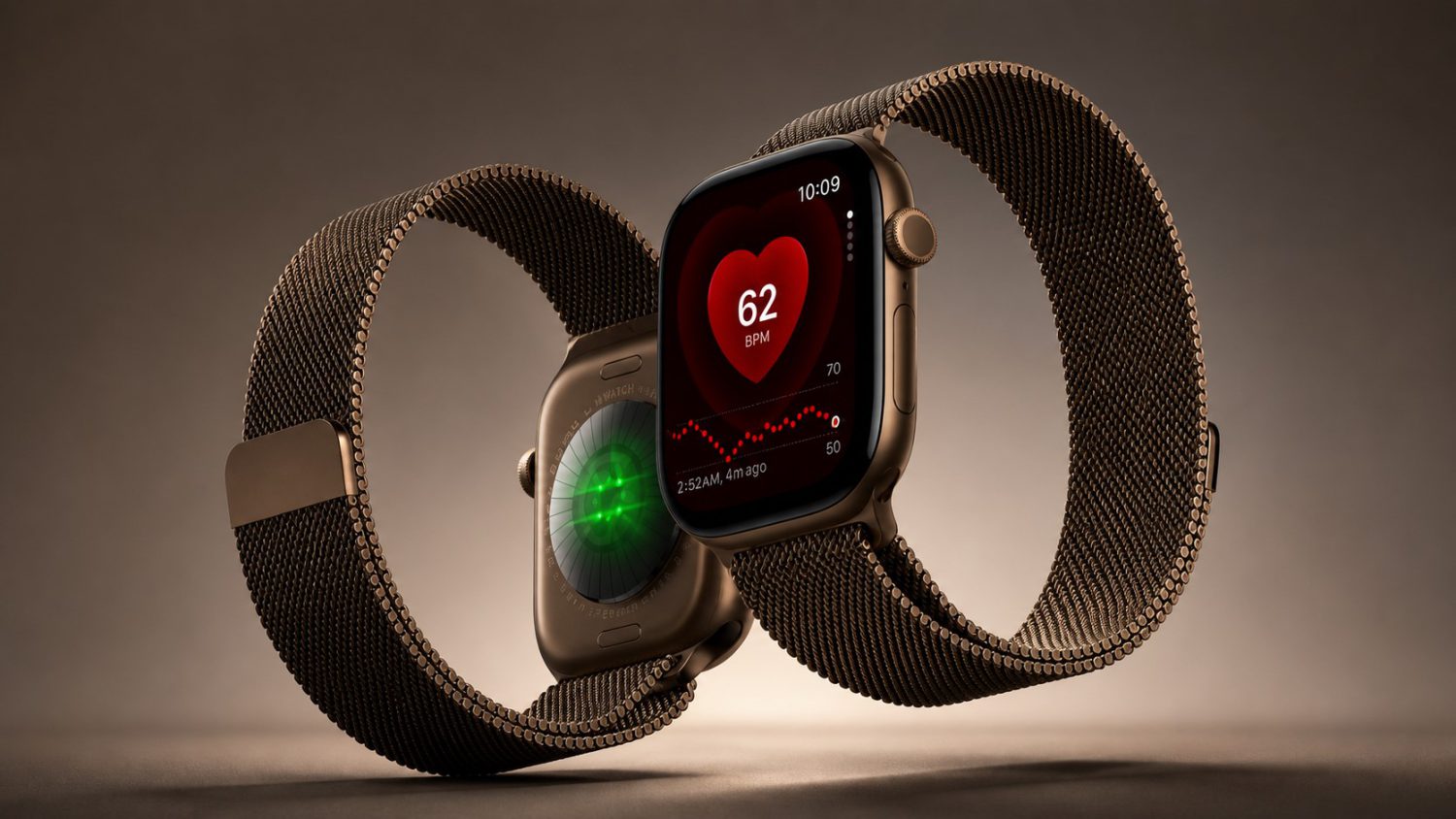
- Device range: iPhone Upgrade Program covered iPhones only. Apple Upgrade extends to iPad, Mac, and Apple Watch, with 12- or 24-month terms for iPhone and Watch, and 24- or 36-month terms for Mac and iPad.
- Early exit: Old program — settle the remaining loan balance, keep the phone. Apple Upgrade — breaking the lease early may trigger fees equivalent to the full purchase option amount, per TidBITS analysis.
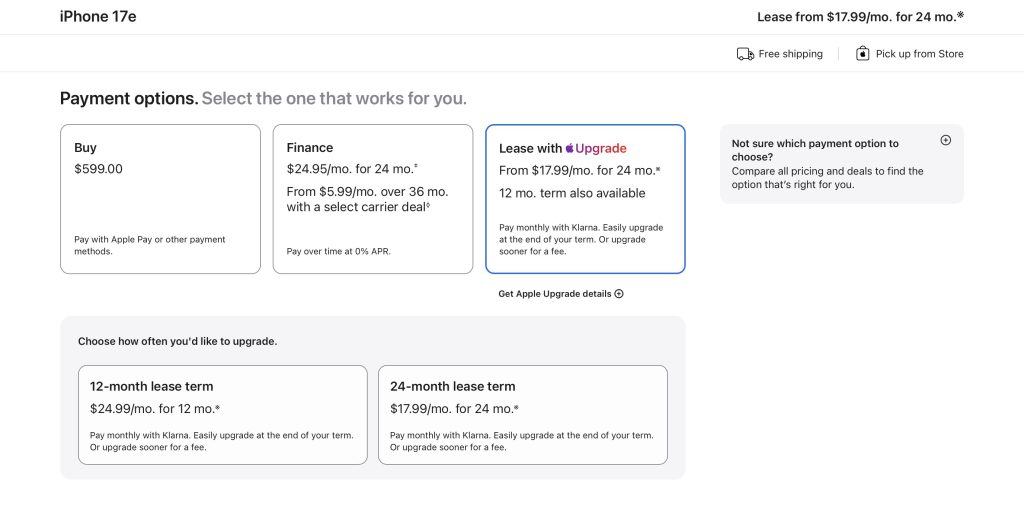
Lower Payments, But Read the Fine Print
The monthly numbers look better because you’re only covering most of the device’s cost during the lease — and Apple is betting you never pay the rest.
Those lower payments exist because the lease covers most of the device’s value, not all of it. A residual balance remains. Keep upgrading on new leases indefinitely — which is exactly what Apple hopes you’ll do — and you’re in a permanent paying too much loop, racking up what PCMag describes as “ongoing subscription-like costs without ever owning hardware.” Klarna approves applicants via a soft credit check that reportedly won’t affect your credit score, with approval taking minutes. The friction is deliberately low, and that’s no accident.
The Bottom Line
Your upgrade habits ultimately determine which model actually works in your favor.
If you swap phones every year regardless, Apple Upgrade’s lower monthly payment may genuinely suit your routine. But if eventual ownership matters — or if you’ve ever sold a paid-off iPhone to fund the next one — the old program had a structural advantage that Apple quietly retired when it ended new enrollments.