Paying for 551 movies and then watching them vanish from your library — no refund, just a legal notice confirming your “purchased” content is gone — sounds like a nightmare scenario. That’s exactly what Sony delivered to U.K. PlayStation customers on September 1, 2026, pulling StudioCanal titles including Terminator 2, Paddington, and Pan’s Labyrinth after a licensing deal expired. Turns out, people noticed. RIAA mid-year data shows physical media revenue surged 25.9% in H1 2026 — and CD sales jumped 58.6%. Coincidence is doing a lot of heavy lifting here.
The Numbers Don’t Lie
Physical formats are outgrowing streaming by a significant margin, and the math is hard to ignore.
U.S. recorded music revenue hit $6 billion in the first half of 2026, up 6.9% year-over-year, according to RIAA mid-year figures. Streaming still dominates at $4.9 billion — but its 4.7% growth rate is getting lapped. Vinyl revenues climbed 17.7% to $543.8 million, with 26.5 million units sold. CD revenue hit $171.1 million, up 58.6%, on 17.5 million units sold — a 45.7% unit increase.
CDs were supposed to be dead. Someone forgot to tell 17.5 million buyers.
Several converging forces explain the physical surge:
- Sony’s PlayStation Store deletion follows a pattern: in 2023, the platform announced plans to remove 1,300+ Discovery TV seasons from customer libraries — without refunds — before reversing course after a licensing update. The StudioCanal deletion proceeded as announced, no reversal.
- Digital “purchases” are legally licenses. EULAs allow platforms to revoke access when rights deals expire. You don’t own what you bought.
- Vinyl now accounts for more than three-quarters of all physical music revenues, sustaining nearly two decades of growth.
“You will no longer be able to access your previously purchased content from Studio Canal, and it will be removed from your video library.” — Sony’s legal notice to PlayStation customers
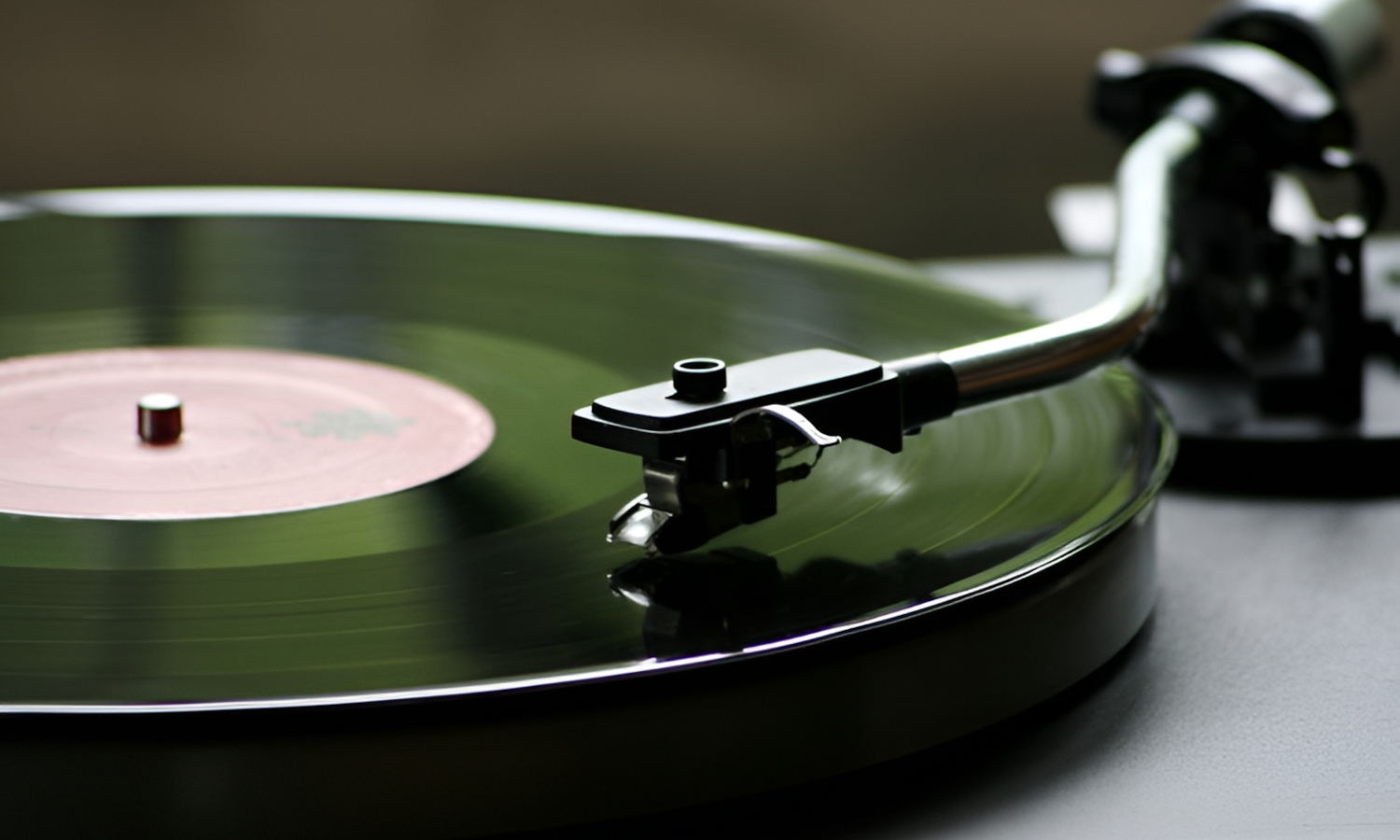
The cultural pull runs deeper than corporate frustration. There’s the ritual — dropping a needle, reading liner notes, holding something real. Buying a vinyl copy of a Sabrina Carpenter record at Urban Outfitters isn’t just aesthetic anymore; it’s a hedge. Younger collectors are discovering resale value, audio quality, and the simple pleasure of owning an object that can’t be remotely deleted. Platform fatigue is real, and physical media is a tangible antidote.
You Never Owned It
Sony has officially confirmed it will end physical disc production for all new PlayStation games starting January 2028 — and that trajectory tells you exactly where large platforms want to take media ownership.
When you “buy” a digital movie, you’re licensing it. When the licensing deal collapses, your library follows. Under current PlayStation Store terms and applicable law in the U.K. and EU, nothing currently prevents this. Sony’s pattern — a planned Discovery deletion in 2023, 551 StudioCanal titles gone in 2026 — isn’t a bug. It’s the architecture. Meanwhile, concerns about tracking users and hidden platform overreach reflect a broader erosion of digital consumer control that physical media sidesteps entirely.
The RIAA frames H1 2026 as a “diversifying marketplace,” with streaming and physical formats growing together rather than cannibalizing each other. That framing is accurate and worth taking seriously. Stream for discovery. Buy physical for the music — or movies — that actually matter to you. A CD doesn’t need a licensing agreement to keep working. It just needs you to not scratch it.