Nintendo ceased production of its 3DS family systems around September 16, 2020, effectively closing the book on a console that once brought glasses-free 3D to handheld gaming. The 2010s were a relentless proving ground for technology, a decade where many innovations arrived with fanfare only to exit quietly. This curated selection spotlights 17 influential items from that era, each a testament to how quickly our digital world shifts. Discover which once-essential tech and cultural touchstones faded into the background.
17. 3D Televisions

The dream of home cinema in three dimensions collapsed faster than a house of cards.
From 23% of TV sales dollars in 2012, the 3D television market evaporated, shrinking to just 8% by 2016. This rapid decline ended a trend initially propelled by films like Avatar around 2010, which saw major manufacturers such as Samsung, LG, Sony, Panasonic, and Vizio all jump on board, positioning 3D as the future of home entertainment.
The reality hit fast. Wearing bulky 3D glasses was inconvenient, dedicated content libraries were modest, and many viewers reported eye strain or discomfort. Samsung dropped 3D in 2016, with Sony and LG following in 2017, pivoting hard to 4K UHD, HDR, and OLED. The 3D dream now sits gathering dust.
16. Juicero Press Wi-Fi Juicer

Silicon Valley’s $699 answer to a problem nobody had.
A Bloomberg video in April 2017 revealed Juicero’s proprietary juice packs could be squeezed by hand, yielding the same result as the $699 machine itself. This countertop, Wi-Fi-connected cold-press juicer launched around March 2016 with an ambitious premise: a smart appliance for the health-conscious. Juicero designed its system to verify each single-serving produce pack’s QR code over the internet, rejecting expired or unauthorized goods.
The initial price point of $699 was cut to $399 in early 2017, but the Bloomberg exposé proved devastating. Despite raising around $118–120 million in venture capital, the company announced its shutdown and suspended sales on September 1, 2017. Juicero remains a vivid cautionary tale for when innovation chases a problem that doesn’t exist.
15. Adobe Flash Player & Flash Games

The browser-based runtime that powered a generation’s procrastination.
For years, the internet’s wild west was defined by Flash games, often played in dimly lit computer labs. This browser-based runtime became the engine for countless interactive web experiences, from animations to quirky games that felt like pixelated comfort food. Anyone who tried to sneak a quick round of Bloons Tower Defense during class knows the feeling.
Adobe announced Flash’s end-of-life in 2017, setting a hard deadline. Browser vendors removed Flash support by December 31, 2020, with Adobe globally blocking content from January 12, 2021. Projects like BlueMaxima’s Flashpoint emerged as digital archivists, preserving well over 100,000 games and tens of thousands of animations. The quirky legacy of Flash lives on through dedicated archives, even without browser support.
14. Teavana Specialty Tea Retail Chain

From mall meditation room to retail memory in under two decades.
Founded in Atlanta, Georgia, in 1997 by Andrew and Nancy Mack, Teavana promised a unique retail escape. It was an oasis of aroma and calm amidst the retail chaos, expanding to over 250 stores across North America and the Middle East. This niche appeal caught Starbucks’ attention, leading to an acquisition for approximately $620 million in November 2012.
However, the mall-based model proved difficult to sustain. On July 27, 2017, Starbucks announced the closure of all 379 Teavana stores by 2018 due to persistent underperformance. The closures eliminated roughly 1,000–1,400 jobs. Teavana-branded teas continued to be sold through Starbucks channels even after the standalone shops vanished.
13. Nintendo 3DS Handheld Console
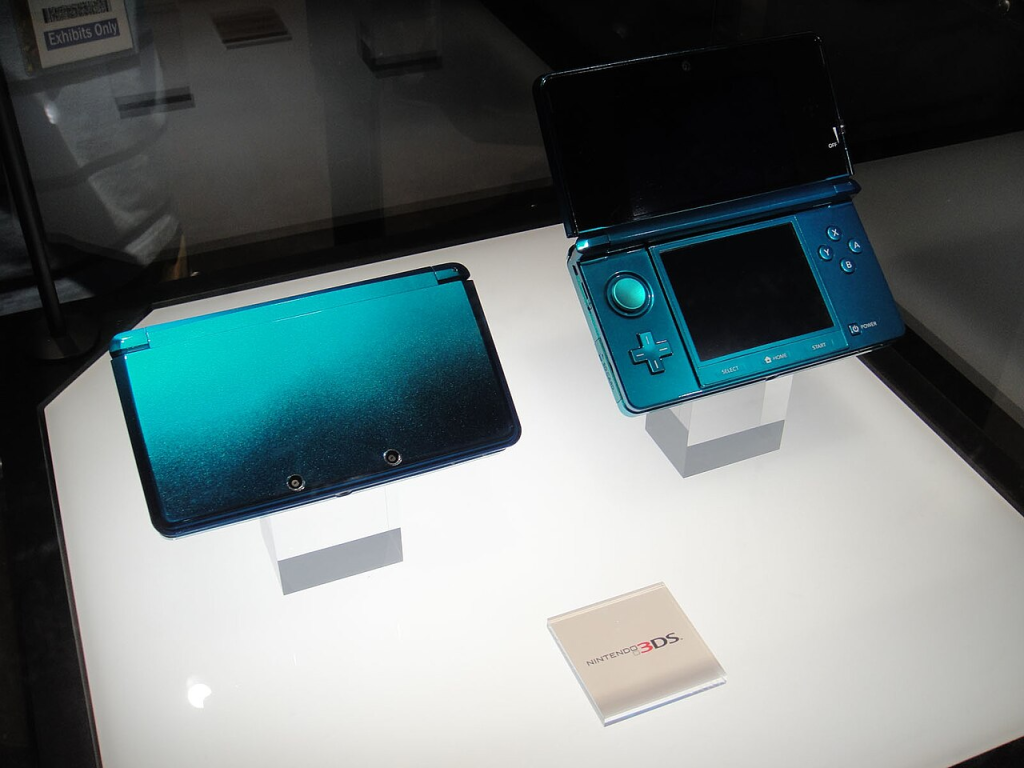
Glasses-free 3D gaming in your pocket felt like pure magic in 2011.
The Nintendo 3DS launched in Japan on February 26, 2011, immediately captivating users with its 3.53-inch autostereoscopic upper LCD, which delivered glasses-free 3D. Input came via a 3.02-inch resistive touchscreen, a Circle Pad, 3D depth slider, gyroscope, and motion sensors. Powering this was a dual-core ARM11 CPU at roughly 268 MHz, with 128 MB FCRAM and 2 GB of internal storage.
The 3DS family collectively sold about 76 million units worldwide over its life. Nintendo ceased production of all 3DS family systems around September 16–17, 2020, ending nearly a decade of manufacturing. Despite weak initial sales, the platform built a library of over 1,000 titles, including Super Mario 3D Land, Fire Emblem Awakening, and The Legend of Zelda: A Link Between Worlds. The 3DS maintains a fervent community, proving truly innovative tech outlasts its manufacturing run.
12. Facebook Games (e.g., FarmVille)

Virtual crops became a cultural phenomenon, then vanished with Flash.
Within just six weeks of its June 19, 2009 launch, FarmVille rocketed to 10 million daily active users, becoming Facebook’s undeniable social gaming juggernaut. This agricultural simulator, developed by Zynga, dominated the late 2000s and early 2010s, commanding a peak of over 80 million monthly users. The deluge of game invites filling feeds became a core mechanic, turning friend-inviting into a necessary currency for progress.
Monetization through virtual currency and in-game purchases quickly became standard, training a generation in the art of microtransactions. This digital farming empire, however, was tethered to Adobe Flash. When Facebook announced the end of Flash support, Zynga announced in September 2020 that FarmVille on Facebook would shut down on December 31, 2020. The game’s legacy lives on through mobile successors like FarmVille 2 and FarmVille 3.
11. Netflix DVD-by-Mail Service
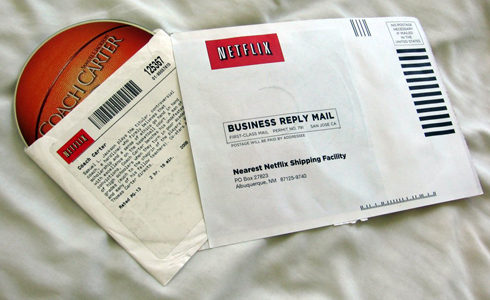
Those iconic red envelopes delivered 5.2 billion discs before streaming took over.
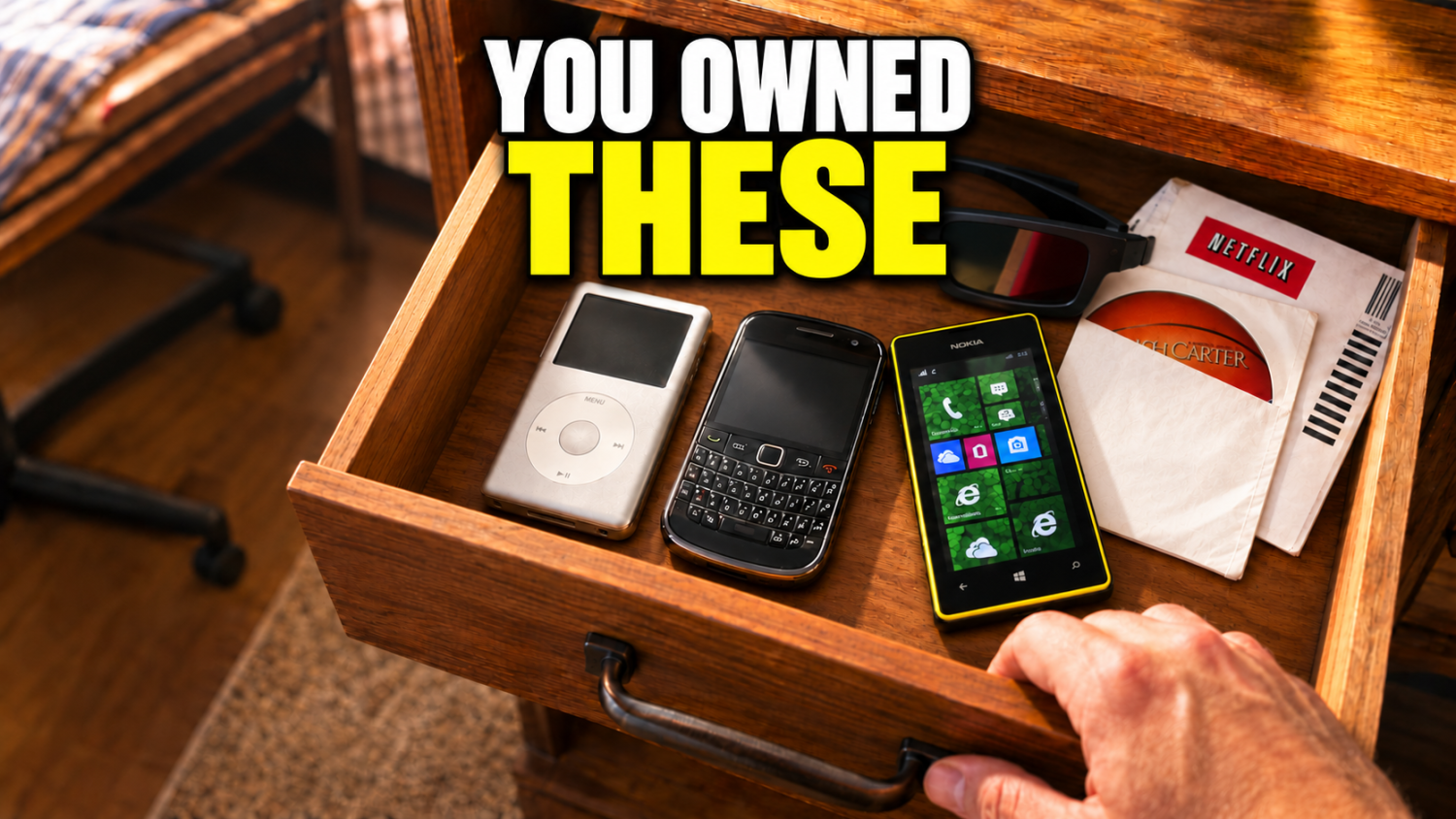
The company began in 1997 as an online DVD-by-mail rental service, a revolutionary concept that challenged brick-and-mortar stores. Customers created online queues, received DVDs in those iconic red envelopes, and kept them without any late fees. The first DVD ever shipped was Tim Burton’s Beetlejuice in March 1998. By February 2007, Netflix celebrated mailing its billionth DVD, a copy of Babel.
At its peak around 2010–2011, the DVD service boasted roughly 20 million subscribers. However, streaming launched in 2007 and by around 2009, it eclipsed DVD shipments. Over 5.2 billion DVDs were sent out over the service’s 25-year run. In April 2023, Netflix announced it would end the DVD-by-mail business. The final red envelopes shipped on September 29, 2023, marking the end of an era where cinematic anticipation arrived by mail. Customers were allowed to keep their final discs; returns were accepted until October 27, 2023.
10. PlayStation Vita Handheld Console
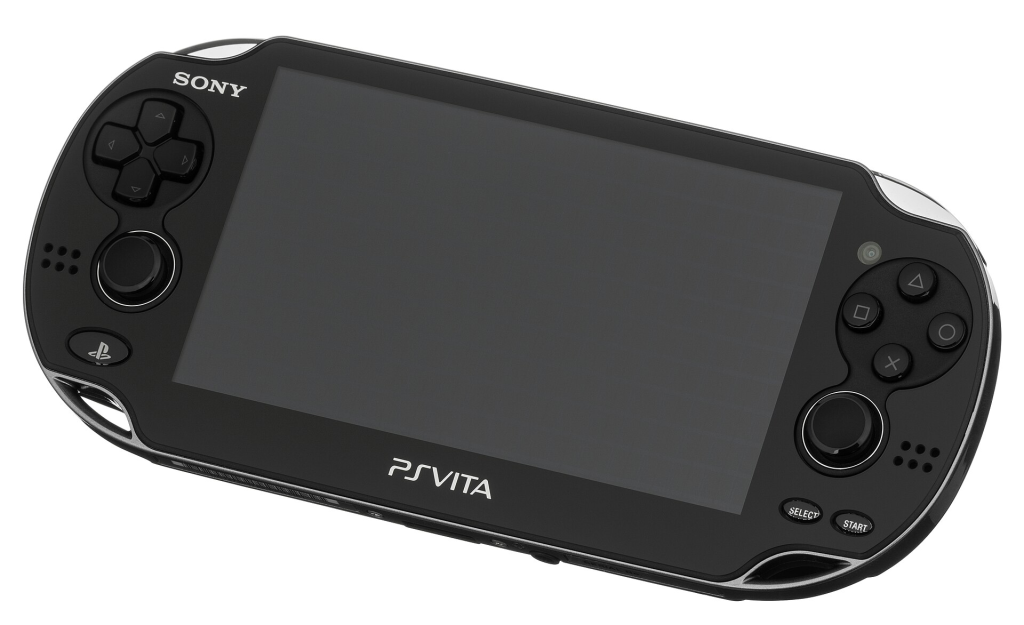
Sony’s engineering marvel that never found its audience.
Sony’s PlayStation Vita launched in Japan on December 17, 2011, and internationally on February 22, 2012. This handheld powerhouse featured a 5-inch (960×544) multi-touch capacitive display, dual analog sticks, and Sixaxis motion sensors. Under the hood, a quad-core ARM Cortex-A9 MPCore CPU and a quad-core PowerVR SGX543MP4+ GPU, with 512 MB RAM and 128 MB VRAM, delivered powerful mobile graphics. The console supported Remote Play from PS3 and later PS4.
The sophisticated internals faced tough market headwinds. The proprietary PS Vita memory cards, ranging from 4–64 GB, were criticized for high cost compared to standard SD cards. Despite front and rear 0.3 MP cameras, the Vita struggled for mainstream appeal. Sony announced the Vita’s discontinuation in 2018; production formally ended on March 1, 2019. Lifetime unit sales are estimated in the low-to-mid tens of millions.
9. Papyrus Greeting Card & Stationery Chain

Margrit Schurman’s 1973 vision ended in 2020 bankruptcy.
Papyrus was founded in Berkeley, California, in 1973 by Margrit Schurman, expanding to over 250 stores offering premium stationery. The chain’s retail footprint became a liability. Overexpansion in malls, shifting digital communications, and declining in-person mall traffic severely cut foot traffic.
In 2009, the company sold the Papyrus wholesale business and trademarks to American Greetings while acquiring American Greetings’ retail stores. Schurman Retail Group filed for Chapter 11 bankruptcy in January 2020, liquidating all 254 Papyrus, American Greetings, Carlton Cards, Niquea.D, and Paper Destiny stores, eliminating roughly 1,000–1,400 jobs. Papyrus-branded cards continued to be sold through other retailers supplied by American Greetings.
8. Nokia Lumia / Microsoft Lumia Smartphones
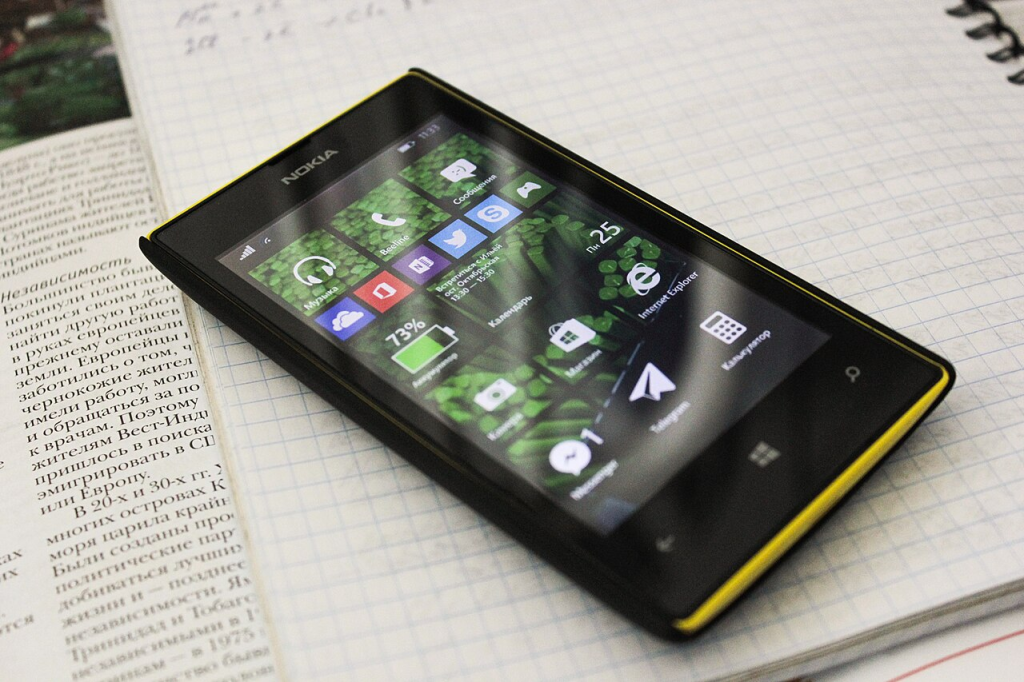
Windows Phone’s ambitious gamble that couldn’t overcome iOS and Android.
Nokia and Microsoft announced a strategic partnership in February 2011, making Windows Phone Nokia’s primary smartphone OS. The first Lumia devices, the Lumia 800 and Lumia 710, were unveiled on October 26, 2011, shipping in late 2011–early 2012 with Windows Phone 7.5 Mango. The distinct Live Tiles interface offered a stark contrast to the app icon grids of competitors.
Microsoft completed its purchase of Nokia’s devices unit in 2014 and gradually phased out the Nokia name, rebranding hardware as Microsoft Lumia. Later notable models included the Lumia 950/950 XL running Windows 10 Mobile. Lumia devices were discontinued around 2017. Microsoft announced the end of Windows 10 Mobile support in December 2019. Despite a loyal niche following, the platform failed to gain significant market share against iOS and Android.
7. Apple iPod Line
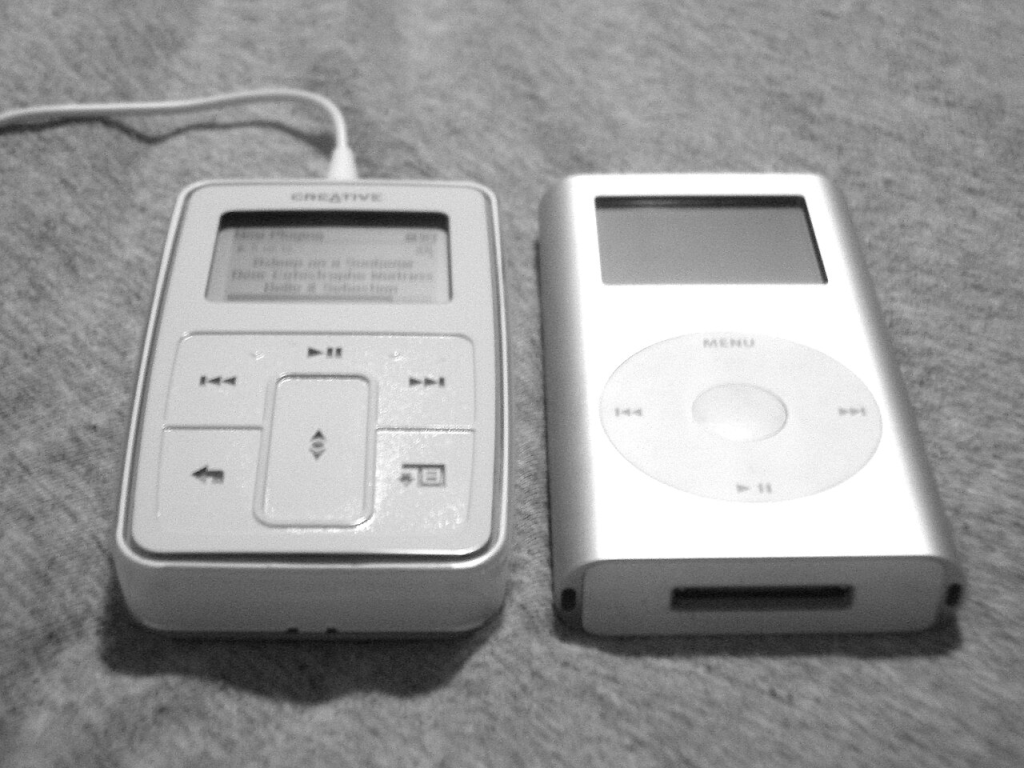
From “1,000 songs in your pocket” to over 400 million units sold.
Apple introduced the iPod on October 23, 2001, with its original 5 GB hard-drive model capable of holding 1,000 songs. This device became a cultural reset for portable music, selling an estimated 400–450 million units globally. The iconic click wheel interface on the classic models allowed rapid scrolling through large music libraries, becoming a hallmark of early iPod design.
The line expanded into multiple form factors: iPod Classic, iPod Mini, iPod Nano, iPod Shuffle, and iPod Touch. By around 2011, Apple commanded about 70% of the MP3 player market. Apple began phasing out models: iPod Classic discontinued in 2014, Nano and Shuffle removed from sale in 2017. On May 10, 2022, Apple officially discontinued the iPod line by ending sales of the 7th-generation iPod Touch, marking the end of over 20 years of production. The iPod is widely credited with transforming portable music consumption and paving the way for the iPhone.
6. Microsoft Kinect
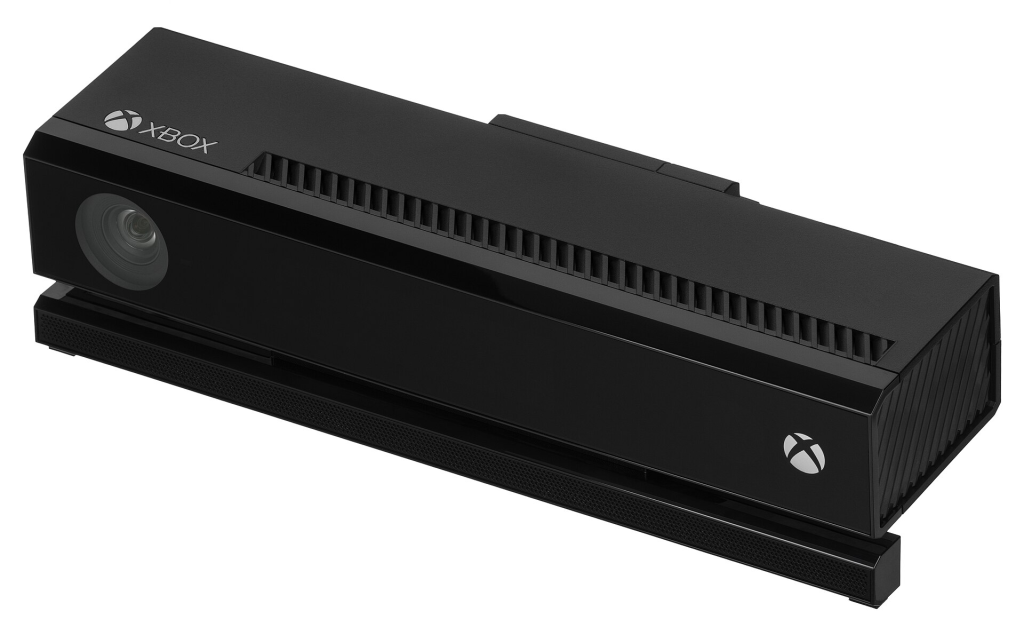
From Guinness World Record holder to discontinued in seven years.
The Microsoft Kinect launched on November 4, 2010 in North America for Xbox 360. In its first 60 days, Kinect sold about 8 million units, averaging 133,333 units per day, earning a Guinness World Record for fastest-selling consumer electronics device and gaming peripheral. This motion-sensing camera peripheral enabled controller-free gaming via body tracking and voice input.
Kinect used an RGB camera, depth sensor, and multi-array microphone to track player movement and gestures in 3D space, powering titles like Kinect Adventures! By March 2011, more than 10 million Kinect sensors had been sold. By October 2017, Microsoft reported 35 million units sold across its Kinect product family. Microsoft stopped manufacturing Kinect around October 25, 2017, after waning developer and consumer interest, though some underlying tech lived on in other products like HoloLens.
5. Nintendo Wii U Home Console
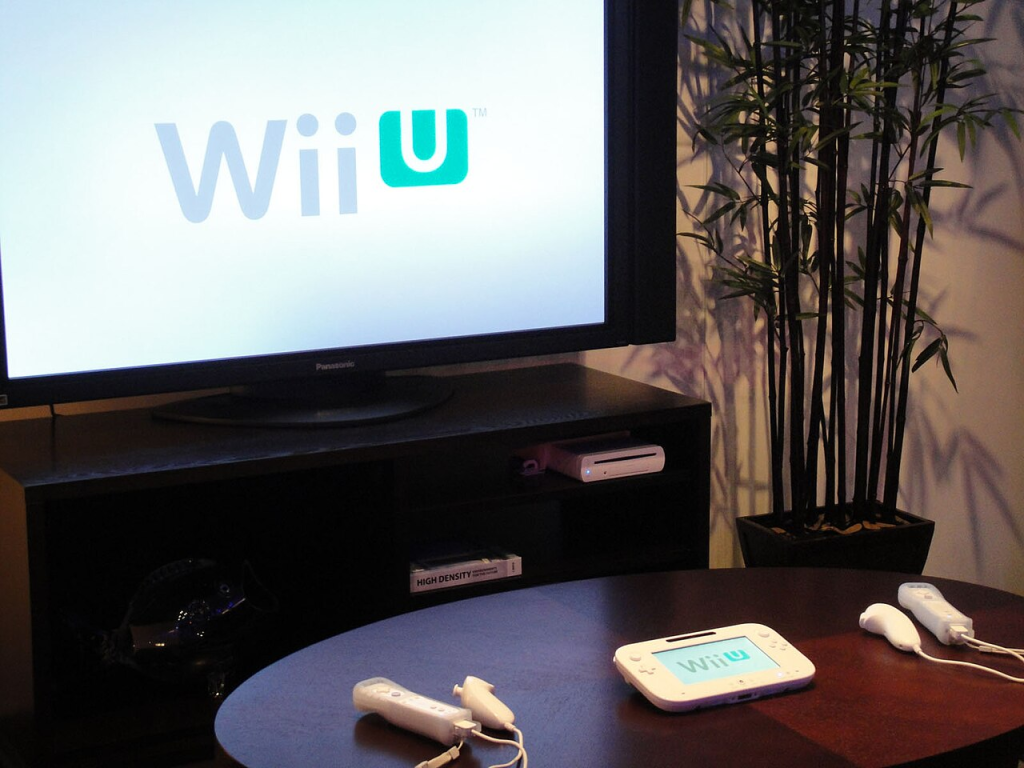
The 13.56 million-unit flop that beta-tested the Switch’s best ideas.
The Wii U is Nintendo’s eighth-generation home console and successor to the Wii, first released in North America on November 18, 2012, followed by Europe/Australia on November 30 and Japan on December 8. The signature feature: the Wii U GamePad, a controller with a 6.2-inch touchscreen, traditional buttons, motion sensors, camera, and synchronous display used for off-TV play and asymmetric gameplay.
The Wii U was Nintendo’s first home console to support HD output (up to 1080p). It launched with 8 GB (Basic) or 32 GB (Deluxe) internal flash storage and supported Wii backward compatibility. Commercially, Wii U sold 13.56 million units worldwide, the lowest-selling Nintendo home console. Nintendo discontinued Wii U production in early 2017, formally announcing the end on January 31, 2017 as it prepared to launch the Nintendo Switch. Despite weak hardware sales, the Wii U hosted key titles like Mario Kart 8, Super Mario 3D World, and Splatoon, many of which were later ported to Switch.
4. Portable GPS Units
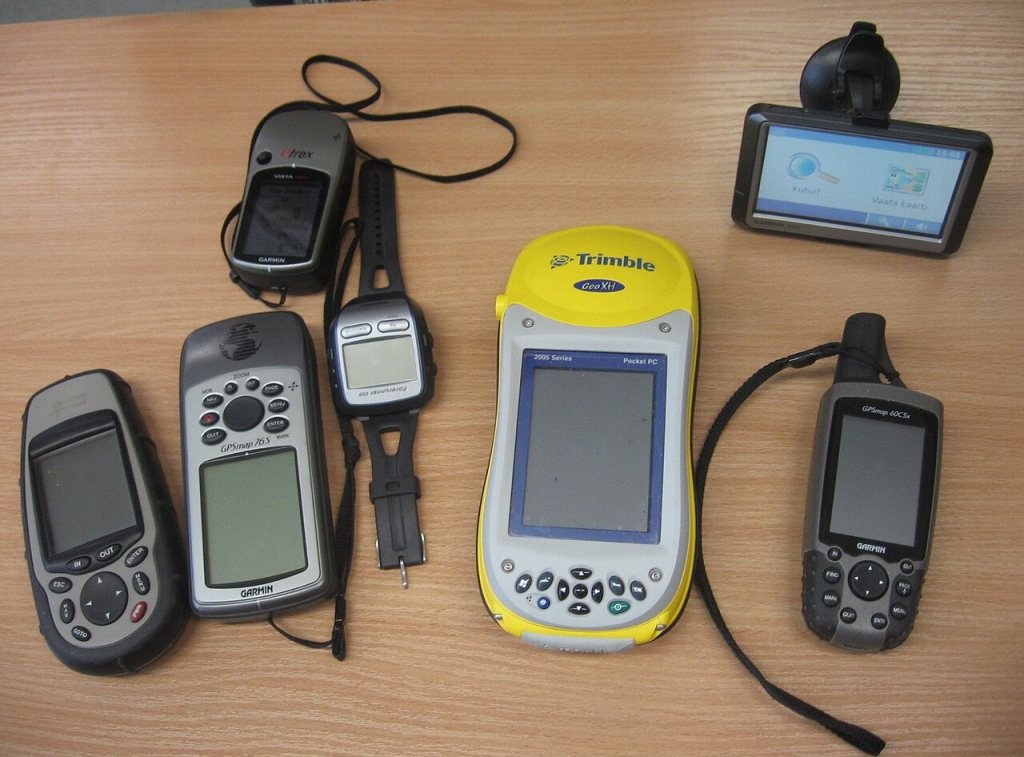
Dedicated sat-nav devices became redundant the moment smartphones arrived.
Portable GPS units refer to standalone navigation devices (like Garmin and TomTom models) that provide turn-by-turn directions using Global Positioning System signals and preloaded maps. They became popular in the 2000s as a major upgrade over paper maps, offering route calculation, real-time position display, and points of interest. Typical features included color displays, voice guidance, route recalculation, and sometimes traffic data; some models added Bluetooth hands-free calling.
With the widespread adoption of smartphones and apps like Google Maps and Apple Maps in the late 2000s–2010s, demand for dedicated sat-nav devices declined sharply. Today, portable GPS units persist mainly for outdoor and specialized uses (hiking, marine navigation, aviation, backcountry travel) where rugged hardware and offline maps are valued over phones.
3. Vine (6-Second Looping Video App)

Twitter’s 6-second video phenomenon that shaped TikTok’s DNA.
Vine was a short-form video hosting service and social network where users shared up to 6-second looping videos. It was founded in 2012 and acquired by Twitter before launch; the iOS app officially launched on January 24, 2013, with Android and Windows Phone versions following. Vine quickly became a cultural phenomenon, amassing around 200 million active users by 2015, and launching careers of creators and musicians like Shawn Mendes.
The platform’s defining constraints—short length and looping—shaped a distinctive style of comedy, memes, and micro-storytelling that influenced later apps like TikTok. On October 27, 2016, Twitter announced it would discontinue Vine’s mobile app; the app was formally shut down on January 17, 2017, and rebranded as Vine Camera. Twitter preserved an online archive of published Vine videos for some time after shutdown, though active posting and social features ceased.
2. BlackBerry Smartphones & Legacy Services
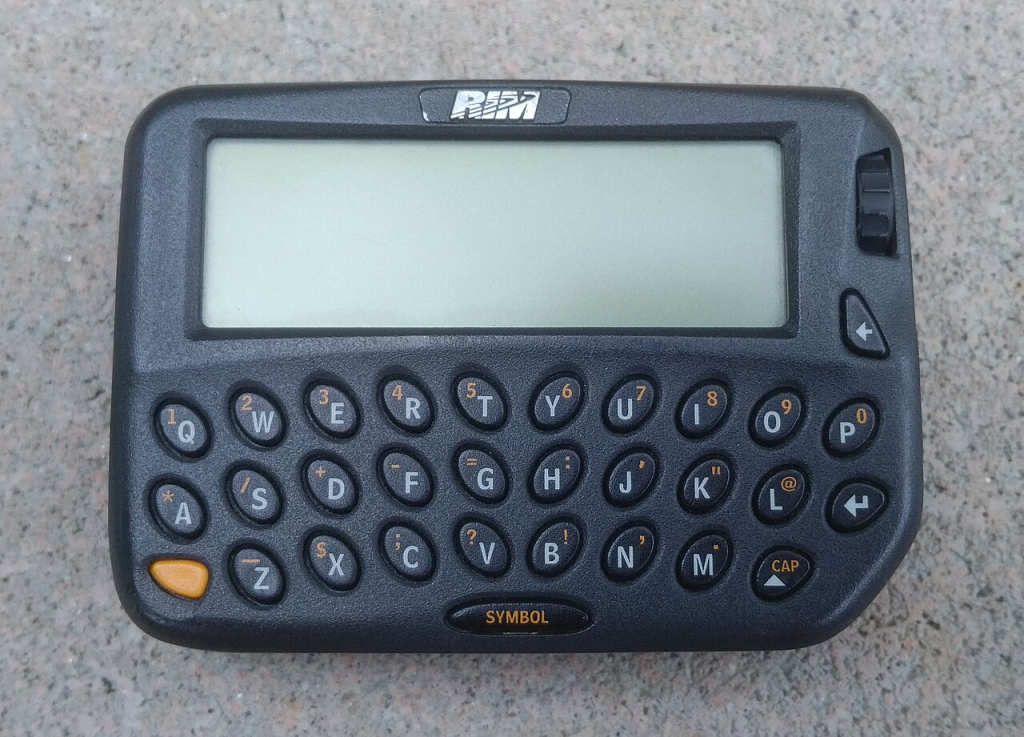
From 85 million subscribers to a January 4, 2022 sunset.
BlackBerry (formerly Research In Motion) produced smartphones with hardware QWERTY keyboards and secure push email, dominating enterprise and government mobile communications in the 2000s. At its peak around 2011–2013, BlackBerry reported roughly 85 million subscribers and tens of millions of devices sold annually.
Under competitive pressure from iOS and Android, BlackBerry’s market share collapsed, and the company stopped manufacturing its own phones in 2016, pivoting toward software and security services. Legacy devices ran BlackBerry OS 7.x and BlackBerry 10, plus PlayBook OS for tablets. BlackBerry announced it would decommission legacy services for BlackBerry OS and BlackBerry 10 on January 4, 2022. As of that date, devices running BlackBerry 7.1 OS and earlier, BlackBerry 10, and PlayBook OS 2.1 would no longer reliably function for voice calls (including 911), SMS, or data over carrier or Wi-Fi connections. The move symbolized the definitive end of the BlackBerry handset era.
1. Limited SMS Text Plans
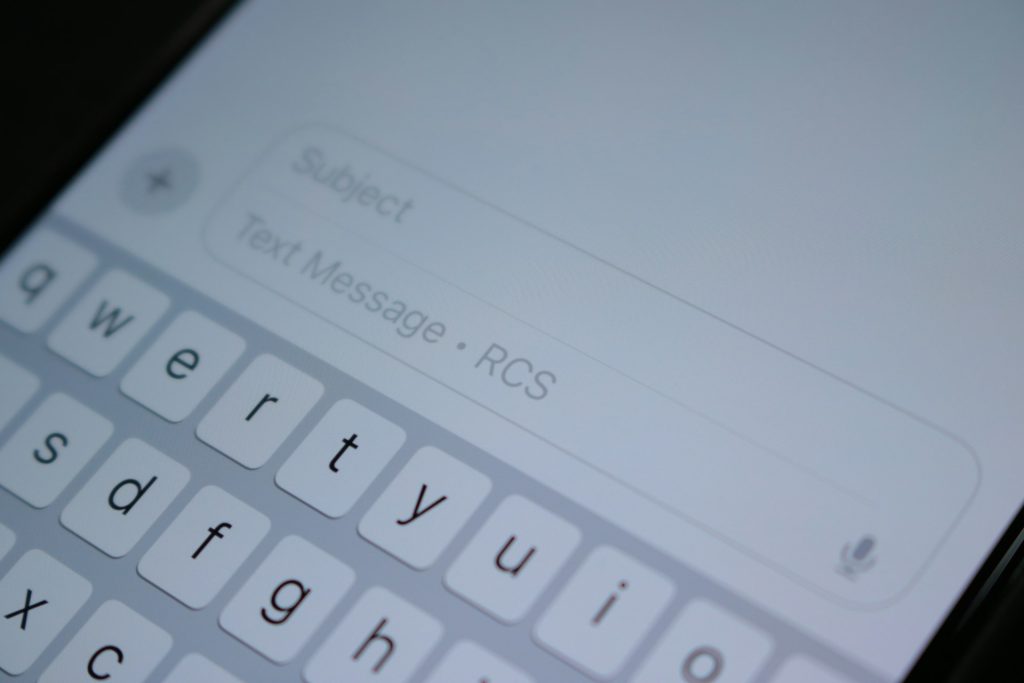
When every character counted against a finite monthly allowance.
In the early 2000s, each SMS message was a precious commodity. Many cellular plans offered contracts with caps on texts sent each month; exceeding that limit meant per-message fees. Even “unlimited” contracts often harbored hidden restrictions, turning monthly bills unpredictable. Long-distance texts carried premium charges, making careful composition essential.
By the 2010s, apps like WhatsApp reshaped the landscape, enabling unlimited messaging over Wi-Fi and bypassing traditional carrier limits. This shift changed what “connected” meant. Phone contract comparisons rapidly moved from text allowances to raw data, forever altering mobile communication economics and making texts effectively free.