Amazon has built a wearable that listens to your conversations and can surface product recommendations based on what you said. The Bee Frontier and Bee Eclipse are two new ambient AI devices designed to record, summarize, and act on your spoken conversations.
Amazon announced plans to acquire Bee, an AI wearable startup, in July 2025 for undisclosed terms. The company is now launching dedicated hardware that extends Alexa beyond explicit voice commands into activation-triggered listening throughout your day.
Two Devices, One Listening Layer
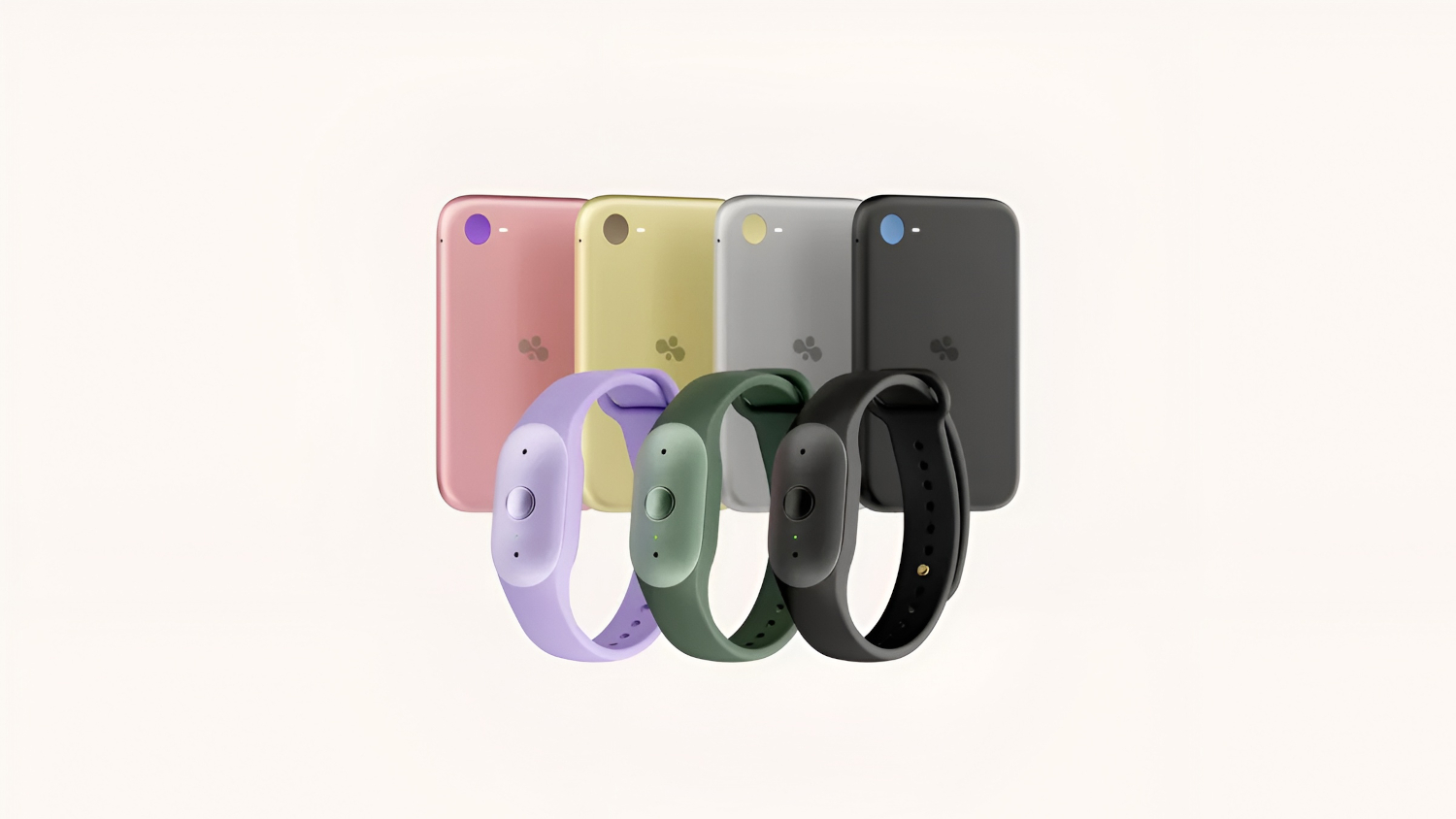
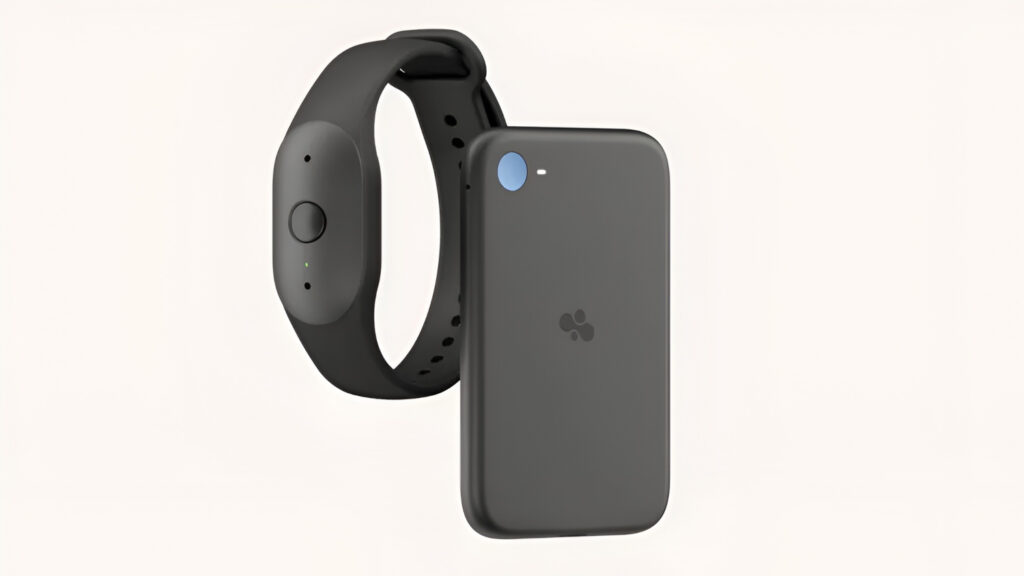
The Bee Frontier is a wrist-worn or clothing-clipped device priced at $74.99. It features dual microphones, IP67 water resistance, up to seven days of battery life, and USB-C charging, and it is available now in the US in Onyx, Lavender, and Sage. These are among the latest smart gadgets designed to blend seamlessly into everyday routines.
The Bee Eclipse takes a different approach: a credit-card-sized device that attaches magnetically to the back of a compatible smartphone, starting at $99.99. Amazon says it offers more than 21 days of battery life and lists it as coming soon, in Silver, Midnight, Honey, and Blush.
What the Devices Actually Do
Activating Bee triggers recording that converts your conversations into structured summaries, reminders, and to-do lists. Supported integrations include Google Calendar and Microsoft Outlook, which Bee Pro subscribers can use to add events, set reminders, and draft emails. Amazon describes the devices as tools for capturing details you would otherwise forget, including meeting outcomes, informal plans, and errands.
Free Tier vs. Bee Pro
The basic tier includes conversation summaries, recaps, and a 14-day memory window at no additional cost. Bee Pro, at $11.99 per month, adds:
- Unlimited recent conversation summaries and daily memories
- Suggested to-dos and a personal chat assistant
- Conversation templates and a desktop application
- Alexa+ and Amazon.com shopping integration
- Third-party app integrations
Without Bee Pro, the device operates as a standalone transcription accessory. With it, Bee becomes a connected layer across your calendar, inbox, and Amazon’s data and retail account.
The Shopping Signal
The Amazon.com integration converts spoken mentions of products into personalized recommendations on Amazon’s homepage and inside the Bee app. If you casually mention needing a new blender or replacing your running shoes, that remark can become a retail recommendation routed to one of the world’s largest online retailers. Amazon confirms the integration is opt-in through the Bee Pro subscription, but the mechanism is direct: your words, their suggestions.
What Amazon Says About Your Audio
Amazon states that raw audio is never stored and cannot be accessed or shared, though questions about downstream data handling remain. The Bee Frontier includes a physical activation button and a recording indicator, and users are prompted to obtain consent from other participants before recording begins, according to Amazon. Amazon also states that transcripts and summaries are encrypted and user-controlled, meaning you can delete them.
Those are meaningful safeguards, but they address only part of the privacy picture. How Amazon uses transcripts, inferred preferences, and shopping signals over time is a question the current documentation does not fully resolve. Concerns about tracking users through behavioral data have grown more prominent as ambient devices become mainstream.
Where Bee Fits in a Crowded Category
Bee enters a market that already includes transcription-focused devices such as the Plaud Note and other wearable AI recorders. Among consumer devices, Bee is notable for explicitly connecting conversational context to a retail recommendation engine, and how comfortable you are with that connection will determine whether it feels like a personal assistant or something else entirely.