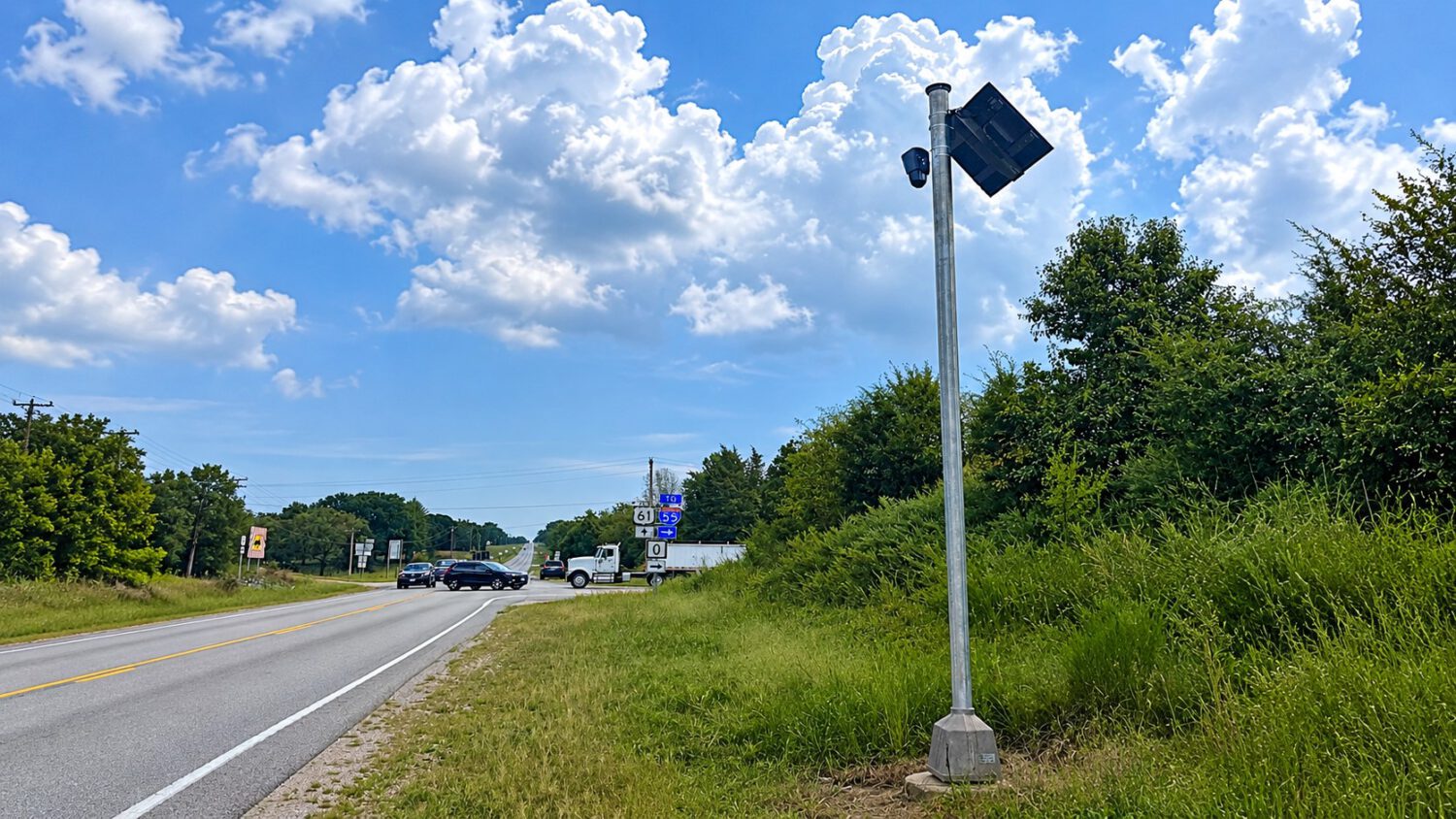
The council approved an 8-1 resolution prohibiting the city from installing automated license plate reader cameras, including systems made by Flock Safety. No such cameras are currently installed in Bath, making the vote a preventive policy decision rather than a response to existing technology.
The resolution establishes a formal barrier before any procurement process begins. It ensures that any future effort to adopt ALPR technology would require a deliberate public decision, not a quiet administrative step.
The Case for Acting Early
Supporters argued the right moment to set limits on surveillance is before the cameras arrive.
Resident concerns about privacy, data use, and oversight brought the issue to the council’s agenda. Councilor Caitlin McCorkle made the case for acting before a specific proposal emerged.
“Doing this now ensures that if a future council made up of us or other people wants to consider using ALPRs, it would require a deliberate, public conversation about the technology and whether our position should change,” McCorkle said.
The One Dissenting Vote
Councilor DeChant agreed with the resolution’s intent but questioned the timing and the council’s role.
Councilor Jennifer DeChant cast the lone opposing vote. Her remarks focused on the council’s institutional role and the absence of an immediate problem, not on the merits of the technology itself.
“While I appreciate the intent and I agree with it solely, I think it’s a solution in search of a problem, so I don’t think it’s something that’s in our lane to be doing right now,” DeChant said.
What the Resolution Concedes
Bath’s city manager and police chief acknowledged that ALPRs can be effective under the right conditions.
The resolution is not a blanket dismissal of license plate reader technology. Bath’s city manager and police chief both recognized in the resolution that ALPRs can be effective law-enforcement tools. That effectiveness, they noted, depends on clear policies, training, and oversight.
Supporters of the ban argued those conditions should be established through public deliberation, not assumed at the point of installation.
A Pattern Forming Across Maine
Bath’s vote follows similar actions in other Maine communities pushing back on Flock cameras.
Bath is not acting alone. York voters approved a comparable ban on Flock license plate cameras, according to available reporting. Other Maine communities have also canceled Flock contracts, though the specifics of each situation require additional primary documentation before they can be fully detailed.
The regional activity reflects growing scrutiny in Maine over how quickly surveillance infrastructure can expand before residents have a formal say.
What the Resolution Doesn’t Answer
Key details about the resolution’s scope and any repeal process are not addressed in available reporting.
Several questions about the resolution’s reach remain unanswered in current reporting. Whether the ban covers data-sharing agreements with neighboring jurisdictions that operate ALPR systems is not specified. Nor is it clear whether any exceptions exist or what process would be required to repeal or amend the prohibition.
For Bath residents, the vote means any future proposal to install surveillance cameras would require a public process rather than a routine procurement decision. Whether the resolution also limits how local police access plate-reader data collected by other jurisdictions remains an open question.