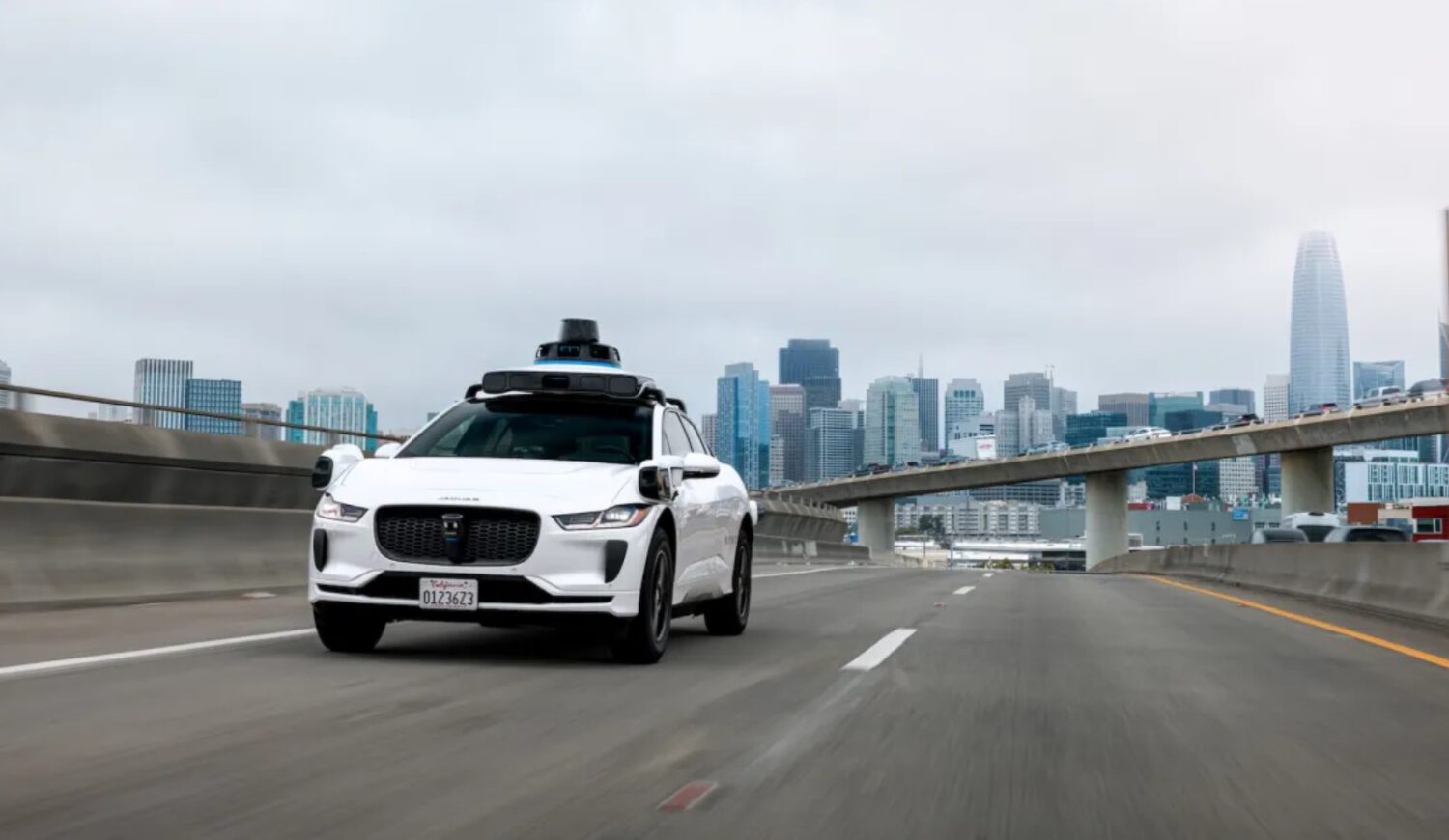
California’s DMV ordered Waymo on Nov. 11 to stop operating or testing its driverless vehicles on all state freeways, citing an “imminent hazard to public safety,” according to the agency. Waymo then voluntarily extended that pause to every U.S. market where it operates, a decision that went beyond what California’s jurisdiction required. This follows other high-profile autonomous vehicle incidents, including a driverless Tesla robotaxi that smashed through traffic barriers.
What Triggered the Crackdown
Two specific incidents on Bay Area freeways gave regulators the evidence they needed to act.
The California DMV cited two incidents in its order. In the first, three Waymo vehicles entered an active construction closure on U.S. Route 101 near Burlingame. In the second, a Waymo vehicle attempted to pass California Highway Patrol units conducting a traffic break on Interstate 280 in San Francisco.
A Fix That Didn’t Hold
The November order arrived after corrective steps taken earlier in the year had apparently failed to satisfy regulators.
The California DMV had already issued a prior restriction and required remediation following a similar construction-zone incident on May 18, 2026. The November order indicates those remediation steps did not satisfy regulators.
A Recurring Pattern
Waymo has now cycled through the same sequence of pause, fix, and restriction three times in less than a year.
Waymo paused highway operations in May 2026 after social-media videos showed its vehicles navigating through traffic cones on freeways. It resumed in July after a software update intended to improve construction-zone detection, according to reporting from ABC7 News. The November restriction creates a comparable operational setback to the one Waymo faced six months ago, though the two actions may not carry identical legal scope or conditions.
What Riders Can Still Do
For anyone already relying on Waymo, surface-street service remains available.
Surface-street rides continue across Waymo’s U.S. operating markets. Waymo reported its ride-hailing platform handles more than 500,000 trips per week, a figure the company provided and that has not been independently audited. The company also said recent freeway construction-zone encounters involved no injuries or collisions.
Why Freeway Access Actually Matters Here
For riders traveling between San Francisco and Silicon Valley, surface streets are a slower and less competitive substitute.
Waymo’s Bay Area coverage links San Francisco to Silicon Valley, and without highway routing, trips to airports and Peninsula destinations can take longer on surface streets. That extends trip times and reduces the competitive appeal of choosing a robotaxi for longer Bay Area journeys , especially for riders weighing what costs less when comparing robotaxi use against driving their own vehicle.
What Waymo Has to Prove
Resuming freeway operations will require demonstrated performance, not just a software update.
No timeline for reinstatement has been announced in the cited reports. Waymo must demonstrate that its vehicles can detect and respond to construction zones, emergency vehicles, and other roadway situations, then submit that evidence for regulatory review by the California DMV. Waymo said it is working with state officials toward that goal. Until that evidence is submitted and approved, freeway service across all Waymo markets remains suspended.