On a good day, your carry-on feels like a well-briefed assistant ready for anything. On a bad day, it’s a bottomless pit hiding your charger somewhere between the third pair of socks and that pack of gum you forgot you bought. Anyone who’s scrambled mid-layover for a tiny tool or watched their phone battery drain to 3% knows exactly which version they’d rather have. This list cuts through the noise with gear that solves real problems, from bladeless tools that make it through security to trackers that turn baggage-carousel roulette into something closer to actual certainty.
This content may contain affiliate links. If you wish to support us and use these links to buy something, we may earn a commission.
14. Nite Ize DoohicKey
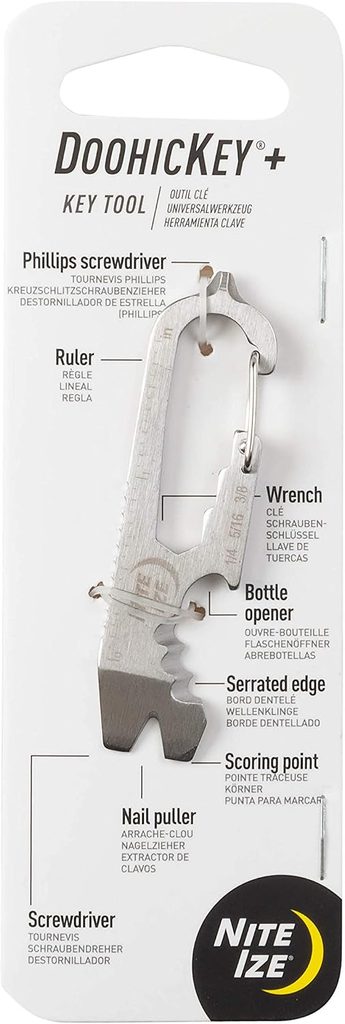
A flat metal multi-tool that security officers might actually let you keep.
TSA screening decisions rest with individual officers, and bladed tools face confiscation daily. The Nite Ize DoohicKey offers a bladeless alternative: a compact metal keychain multi-tool from Boulder, Colorado, combining a box wrench, bottle opener, flat-head screwdriver tip, and ruler markings. Founded in 1989, Nite Ize produces compact lighting and utility products designed for outdoor and everyday carry. The DoohicKey’s bladeless design makes it more checkpoint-friendly than knife-equipped alternatives, though final acceptance remains at the officer’s discretion. For roughly the cost of a coffee, it delivers practical utility without the drama of surrendering your favorite pocket knife to a TSA bin.
13. Leatherman Style PS
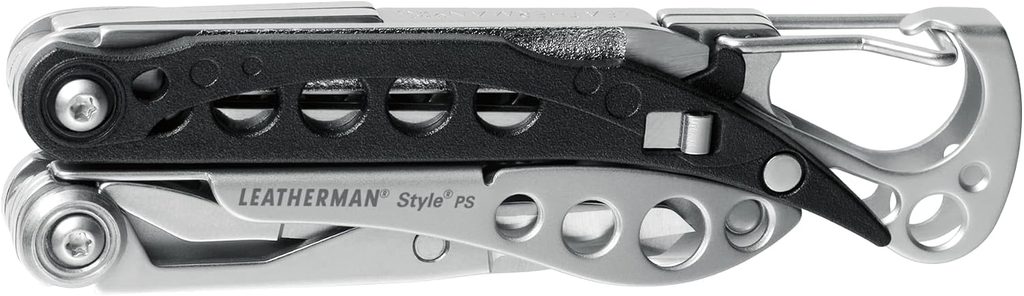
Spring-action pliers and scissors, minus the blade that would get you pulled aside.
Security checkpoints treat most multi-tools like contraband, but the Leatherman Style PS was designed to sidestep that hassle. This compact, bladeless keychain tool manufactured in Portland, Oregon, packs spring-action pliers, scissors, screwdrivers, tweezers, a file, and a carabiner into a pocket-friendly package. Tim Leatherman’s 1975 need for reliable portable tools sparked the company’s founding; the Style PS carries that practical DNA forward. Though now discontinued, remaining inventory and secondhand options still deliver genuinely functional travel utility without checkpoint surrender.
12. Ridge Wallet
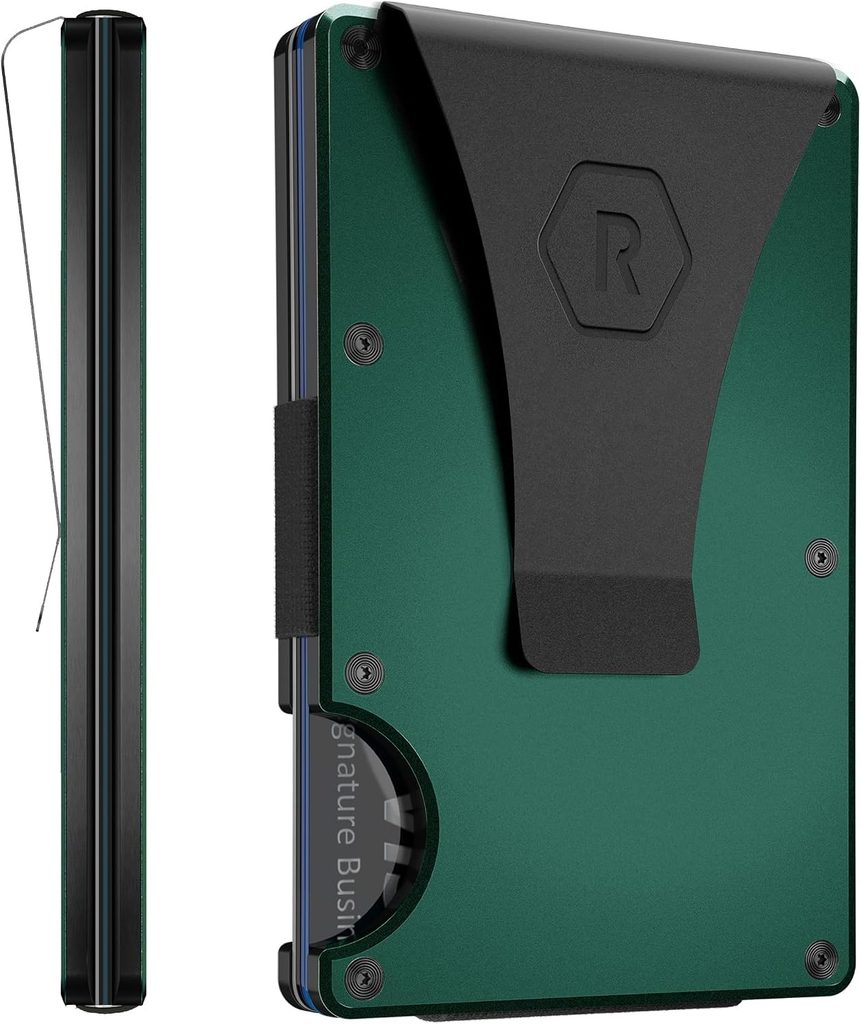
Two rigid plates, one elastic band, and zero tolerance for your loyalty-card collection.
Bulky wallets belong in the same category as floppy disks: functional once, obsolete now. Ridge Wallet strips the concept down to two plates joined by an elastic retention system, holding up to 12 cards while weighing approximately 2 ounces. Standard models include RFID-blocking materials, and the minimalist front-pocket design eliminates the back-pocket bulk that makes sitting uncomfortable. This approach to wallet design has resonated widely enough to build a business generating substantial revenue since its founding, proving that sometimes less leather equals more function.
11. Fisher Space Pen Bullet with Field Notes
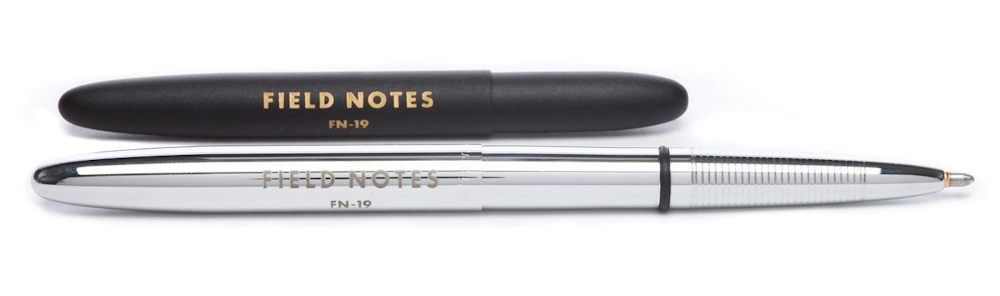
Pressurized ink meets vintage-style paper for the moments your phone becomes a useless rectangle.
NASA didn’t blow millions developing a space pen while cosmonauts grabbed pencils. Paul Fisher invested his own capital creating the pressurized AG7, which NASA tested and purchased for under $6 per unit in 1967; Soviet space programs eventually adopted similar technology. The Fisher Space Pen Bullet compresses that engineering into a brass tube under 4 inches long, writing upside down, in wet conditions, and across challenging surfaces where ordinary pens quit. Pair it with Field Notes—launched in 2007 by Aaron Draplin and Jim Coudal in Chicago, inspired by vintage agricultural memo books—and the analog backup becomes genuinely useful when your phone dies mid-flight. The combination proves that sometimes the low-tech option runs circles around digital dependency.
10. Loop Earplugs (Quiet or Dream models)
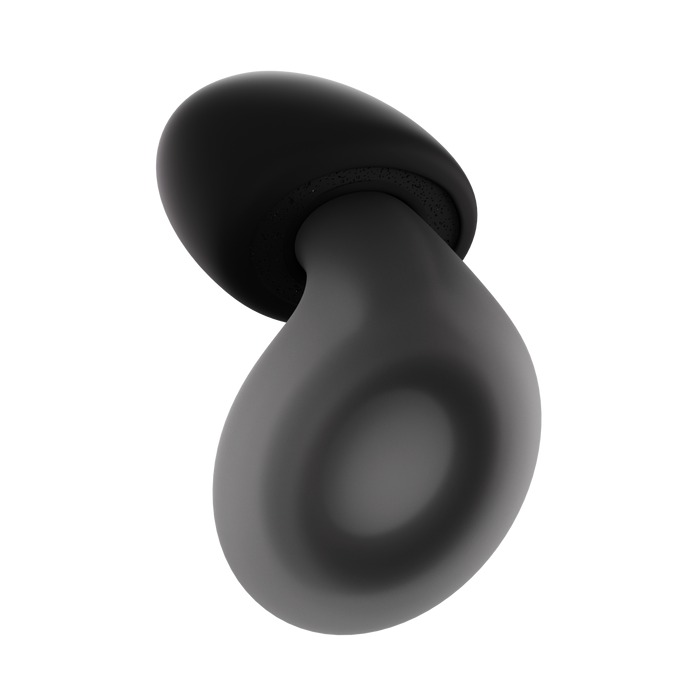
A circular acoustic channel that dims the world without completely muting it.
Maarten Bodewes and Dimitri O launched Loop Earplugs in Antwerp, Belgium, in 2016, initially targeting concert-goers grappling with tinnitus. The pandemic shifted their focus toward sleep and concentration, and the circular acoustic-channel design found a wider audience. Loop Quiet aims at general noise reduction, while Loop Dream targets sleep specifically. Both use interchangeable or model-specific ear tips to reduce surrounding sound without complete blockage, letting travelers rest without feeling isolated from important announcements. The approach has resonated broadly; the company reports strong sales growth across multiple use cases.
9. Anker Nano Charger (GaN)
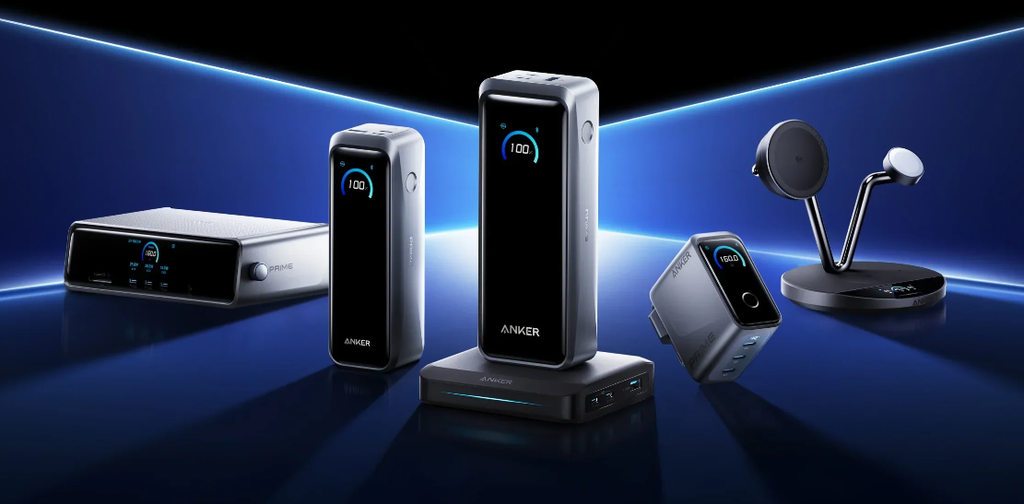
Gallium nitride shrinks charging bricks without sacrificing power output.
Gallium-nitride technology builds chargers smaller and more efficient than many older silicon-based designs. Steven Yang founded Anker in 2011, starting with replacement laptop batteries and expanding into mobile charging. The Nano line offers compact USB-C chargers in 30-watt and 45-watt classes, suitable for phones, tablets, and lightweight laptops. Hotels worldwide report hundreds of forgotten chargers annually, making a compact replacement easier to pack and harder to leave behind. GaN chargers deliver practical power without the bulk that makes packing feel like spatial Tetris.
8. Short Braided Charging Cable (USB-C)
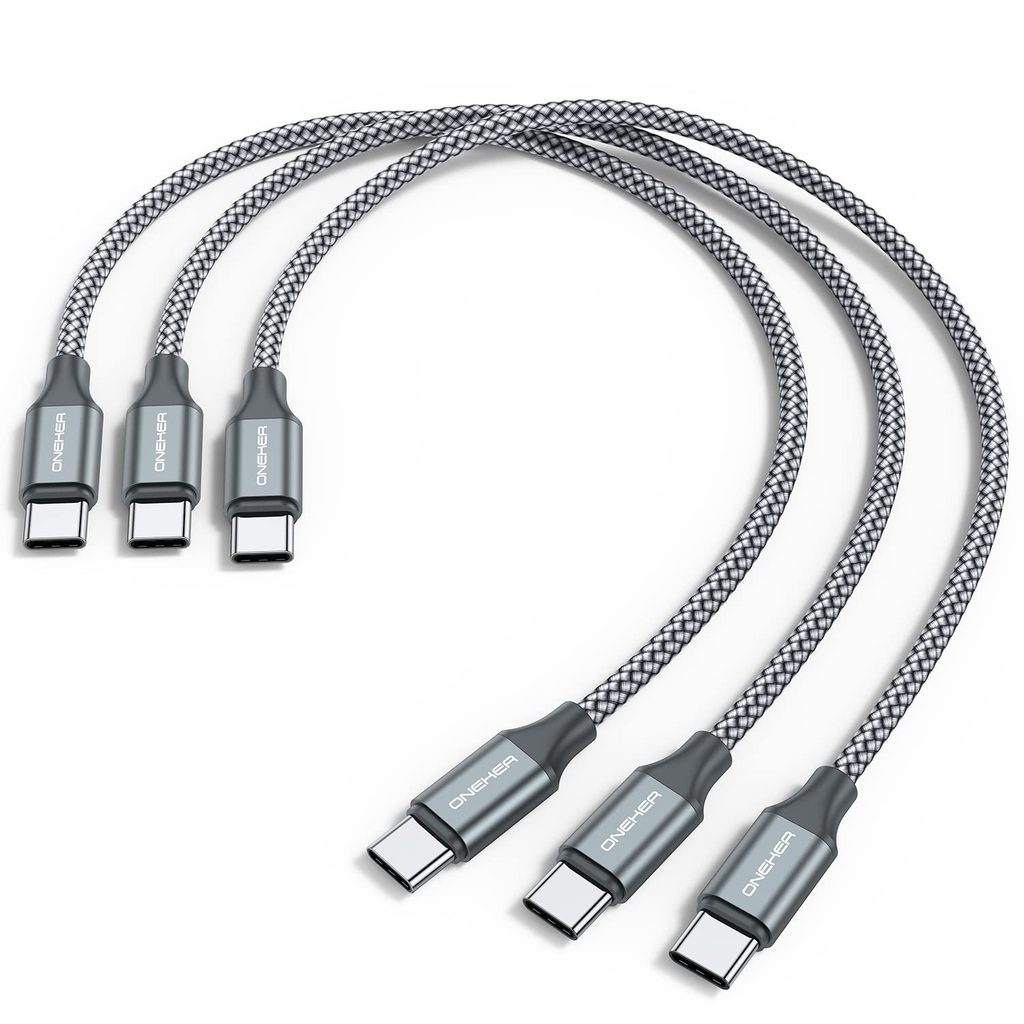
One foot of braided cable that eliminates the spaghetti junction longer cords create.
Wrestling a six-foot charging cable into a cramped airport seat feels like stuffing a garden hose into a lunch box. A one-foot braided USB-C cable reduces slack, tangling, and the strain that comes from excessive cord length flopping around. Before purchasing, verify connector types, charging wattage, USB data capability, and compatibility with your chosen charger; performance depends on rated current and power-delivery support, not merely connector shape. This small accessory transforms chaotic charging into something closer to organized efficiency, particularly when power outlets sit six inches from your armrest.
7. Universal Travel Plug Adapter (Epicka or Zendure)
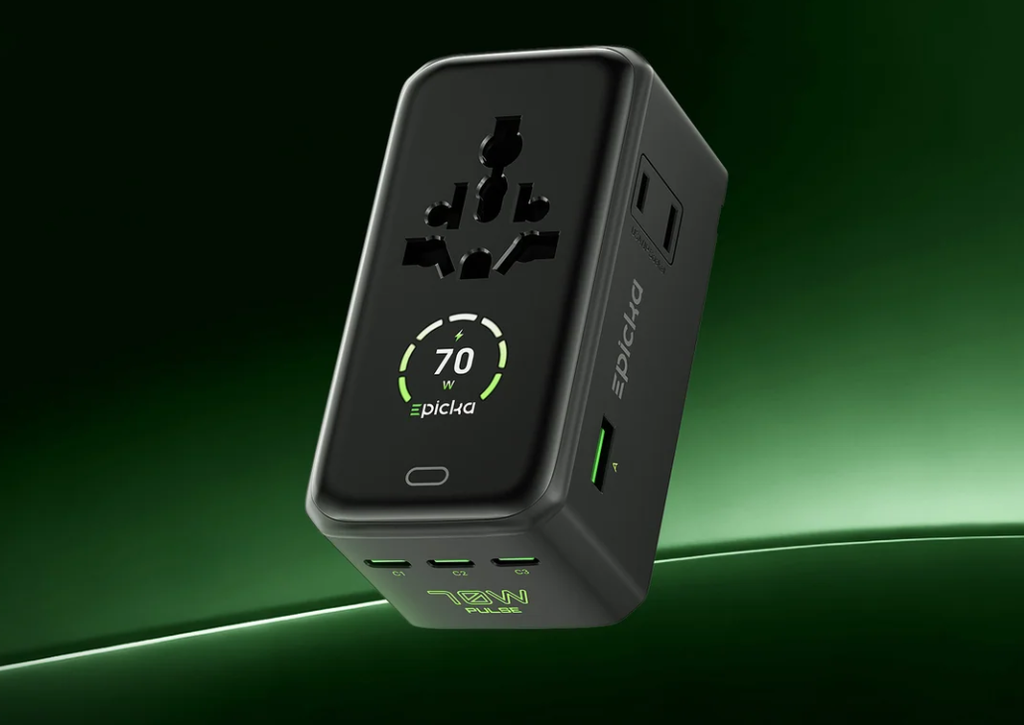
Regional outlet configurations unified into one compact device—voltage conversion not included.
Universal travel adapters combine region-specific plug configurations for use across more than 150 countries, with many models adding USB-A or USB-C charging ports. Epicka and Zendure produce adapters that support widespread outlet types while maintaining compact form factors. Crucially, these devices generally do not convert voltage; travelers must confirm that their appliances support the destination’s voltage and frequency, particularly for high-wattage heating appliances. The FBI and FCC issued warnings in April 2023 regarding public charging station safety, making personal adapters and verified power sources increasingly important for travelers concerned about device security.
6. Rechargeable Keychain Flashlight (Olight, Nitecore, RovyVon)
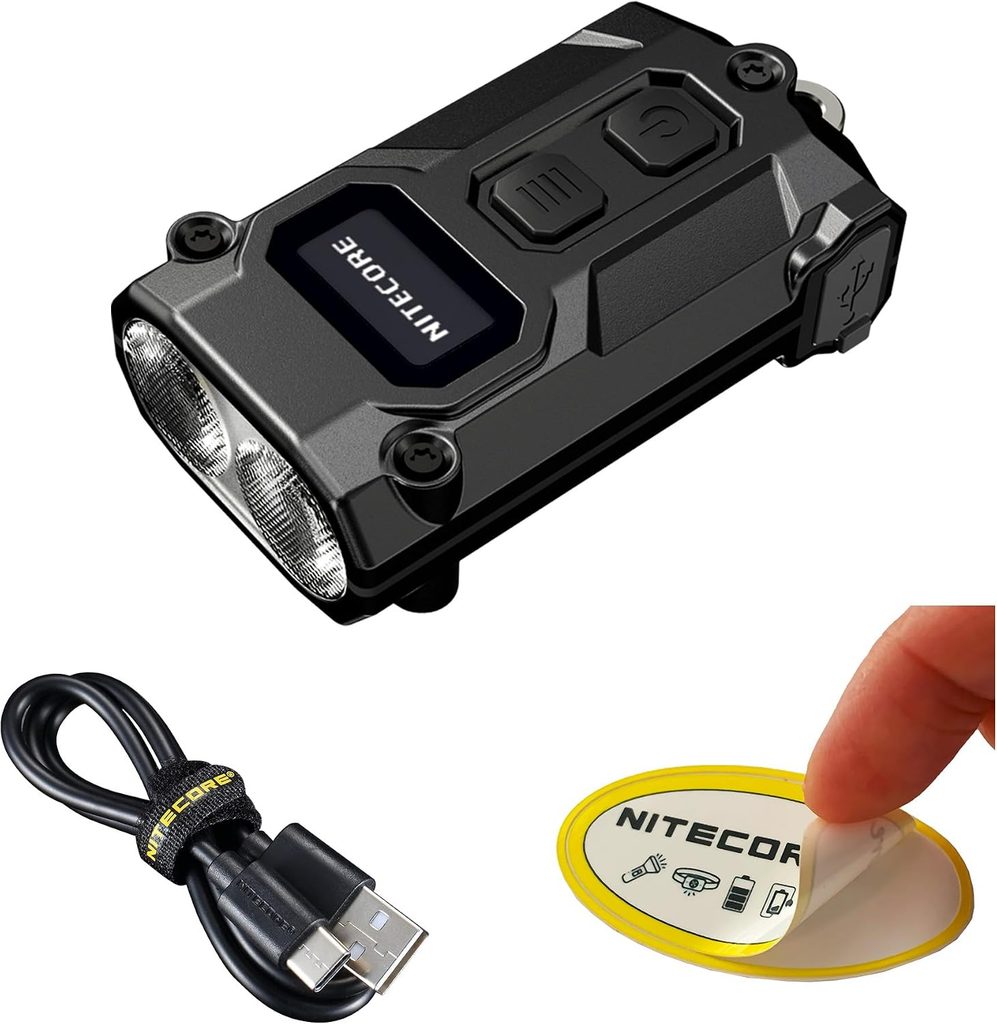
A dedicated light source that preserves your phone battery for boarding passes and emergency calls.
Keychain flashlights provide illumination without draining a smartphone battery that might be needed for maps, boarding passes, or communication. Typical models from Olight, Nitecore, and RovyVon use rechargeable lithium-ion batteries, USB charging, pocket or keychain attachment, and multiple brightness levels. Airlines and airports maintain rules for spare or removable lithium batteries, so checking the manufacturer’s battery design and current airline guidance remains advisable. Dropping your phone to 15% mid-journey while hunting for a gate in a dimly lit terminal clarifies why a separate light source earns its keyring space.
5. Collapsible Water Bottle (Platypus or Vapur)

Soft-bodied hydration that flattens for storage and passes through security when empty.
Airport water bottles routinely cost five dollars or more post-security, turning basic hydration into an inconvenient expense. Collapsible bottles from Platypus or Vapur pass through security checkpoints empty, then refill at airside water stations, saving money and reducing plastic waste. Soft-bodied models roll or flatten for storage, taking up less room than rigid bottles that hog bag space like souvenirs purchased in a moment of weakness. Platypus produces flexible hydration products; Vapur specializes in foldable, reusable designs. Staying hydrated without paying premium prices for lukewarm bottled water qualifies as a minor travel victory.
4. Compact Pill Organizer and First-Aid Kit
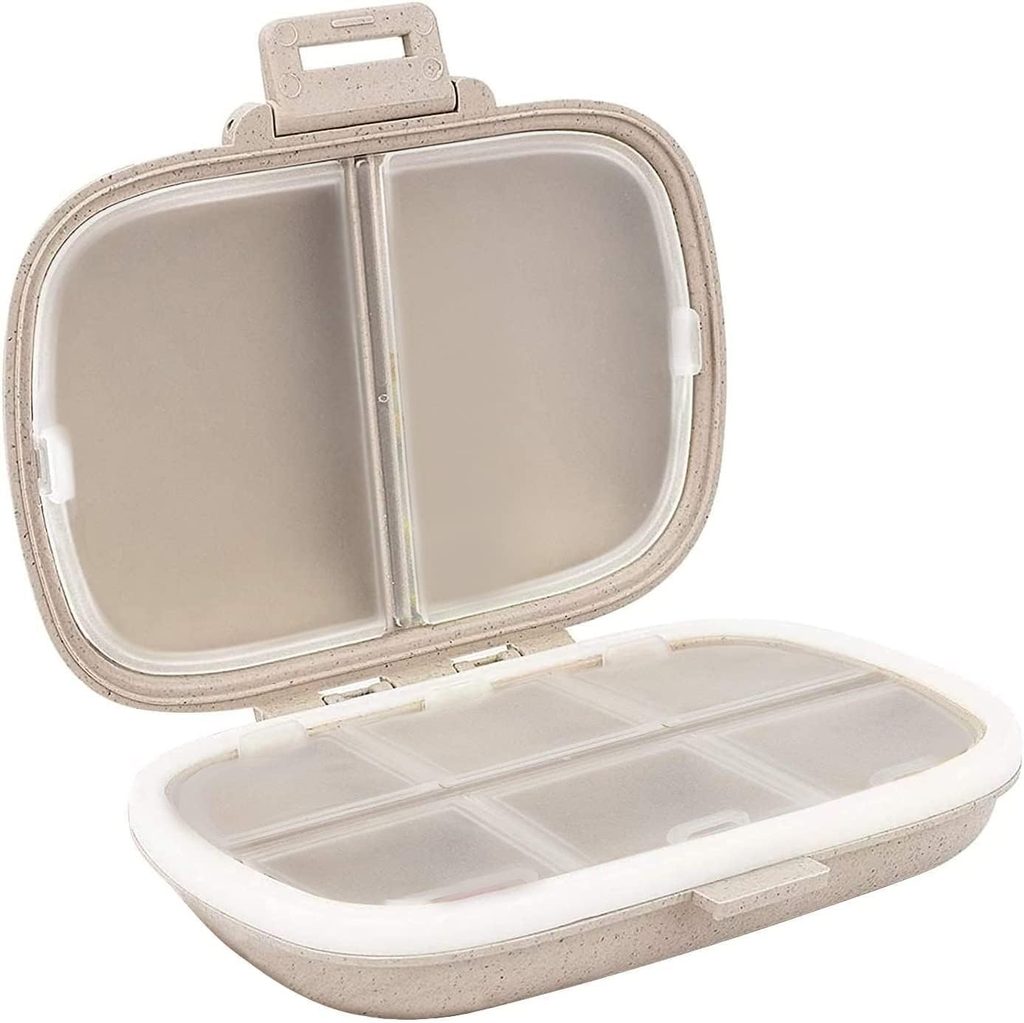
A seven-day case that organizes medication while leaving room for bandages and over-the-counter essentials.
A small pill organizer separates daily medication by day while providing space for a limited supply of bandages and commonly used over-the-counter medicine. Travelers should keep prescription drugs in original labeled containers when practical and verify destination-country rules before carrying controlled or restricted medication. The U.S. Transportation Security Administration advises labeling medications to facilitate screening, while destination countries may impose additional requirements. This category recommendation addresses a practical travel need without pointing to one uniquely identified product; organizer capacity and design vary widely across manufacturers.
3. Apple AirTag
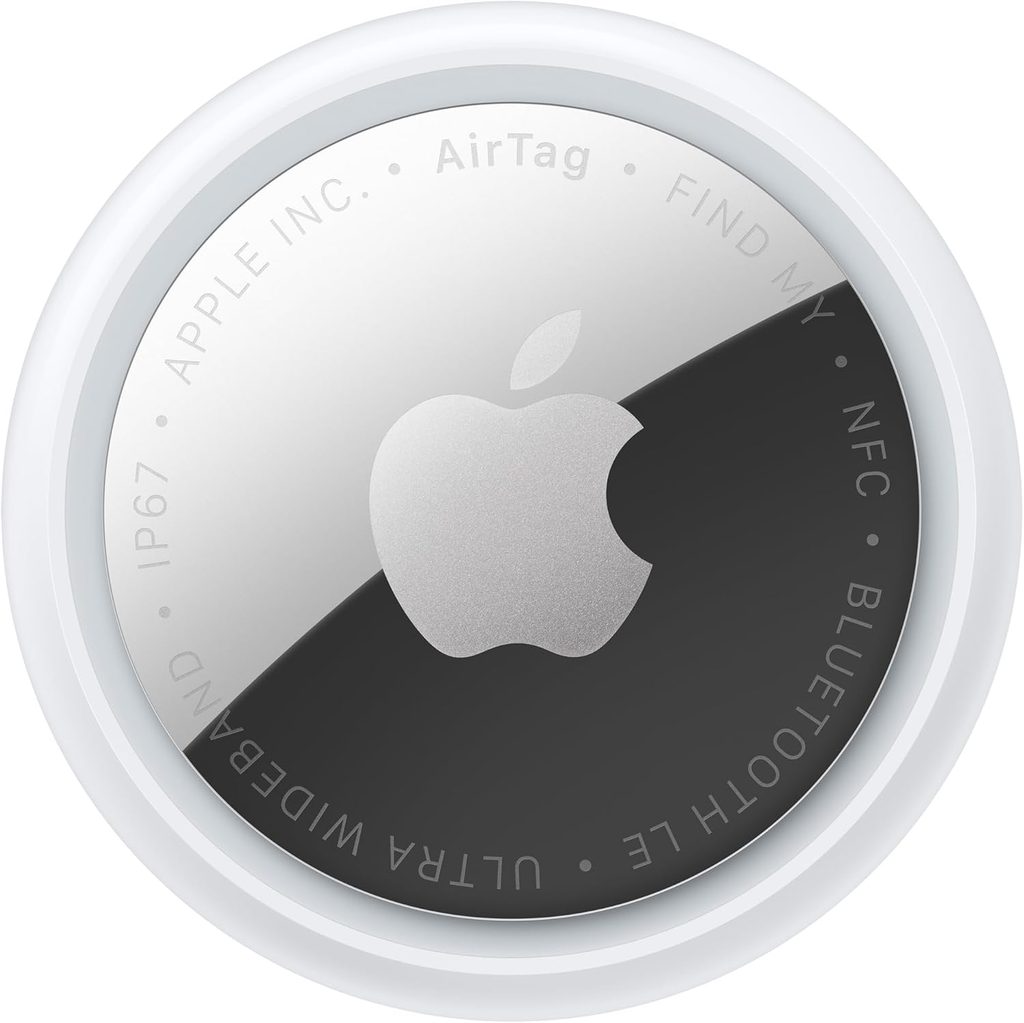
Crowdsourced location tracking that turns baggage-carousel anxiety into real-time certainty.
SITA reports that 24 million bags were mishandled in 2025, costing airlines $6.3 billion annually and turning global travel into an unwanted game of lost-luggage roulette. Apple AirTag uses Bluetooth and the crowdsourced Find My network to help locate tagged luggage when separated from the owner’s iPhone. The Share Item Location feature allows travelers to provide participating airlines with a temporary, secure location link for delayed baggage. SITA’s WorldTracer data shows that Apple Find My location sharing reduced permanently lost or unrecoverable luggage by 90% and reduced baggage delays by 26%. The second-generation AirTag announced in January 2026 retained the $29 single-unit price, with a four-pack priced at $99, while offering expanded range and improved findability. Watching an empty baggage carousel feels like a bad audition tape; this device transforms that dread into confident tracking.
2. Chipolo (Bluetooth Tracker)
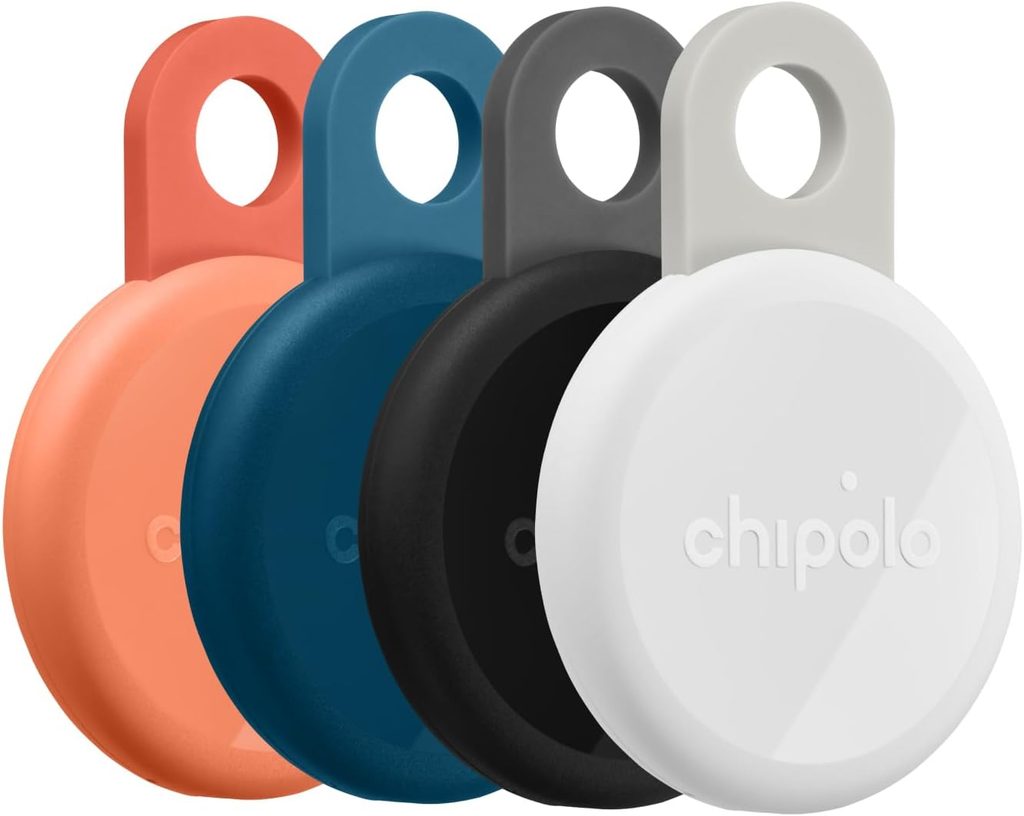
Cross-platform tracking that frees travelers from single-ecosystem limitations.
Chipolo produces Bluetooth trackers compatible with multiple location networks. The Chipolo One Spot integrated with Apple’s Find My network in 2021, while newer Chipolo products include models designed for Google’s Find Hub. This cross-platform approach makes Chipolo a relevant alternative for travelers who use Android phones or want a tracker ecosystem beyond Apple’s offering. Compatibility varies by model, so buyers should verify whether a specific tracker supports Apple Find My, Google Find Hub, or Chipolo’s own application. For anyone frustrated by tech that refuses to cooperate across devices, Chipolo’s approach ensures wider accessibility without forcing ecosystem commitment.
1. SITA WorldTracer (Airline Baggage System)
The industry platform that airline staff use to trace delayed and mishandled bags worldwide.
SITA WorldTracer serves as the airline baggage-tracing platform used by more than 500 customers across approximately 2,800 airports to manage delayed and mishandled luggage. The system integrates with passenger-controlled location sharing, allowing travelers to provide secure tracker locations to airline staff through compatible devices. SITA reports that this integration reduced permanently lost bags by 90% and baggage delays by 26% in programs using Apple Find My location sharing. WorldTracer operates as foundational infrastructure for modern baggage management and recovery efforts, connecting airlines, handling organizations, and passengers in a coordinated tracking network. When your suitcase takes an unplanned detour, this behind-the-scenes system helps bring it home.