A University of Nottingham spin-out is selling a nerve-stimulation wearable that cut tic frequency by more than 25% in clinical testing. The consumer device costs approximately £500. NHS provision is not yet possible, though the technology has received a NICE recommendation.
A Smartwatch That Talks to Your Nervous System
Gel pads, electrical pulses, and a smartphone app: here is how the device works.
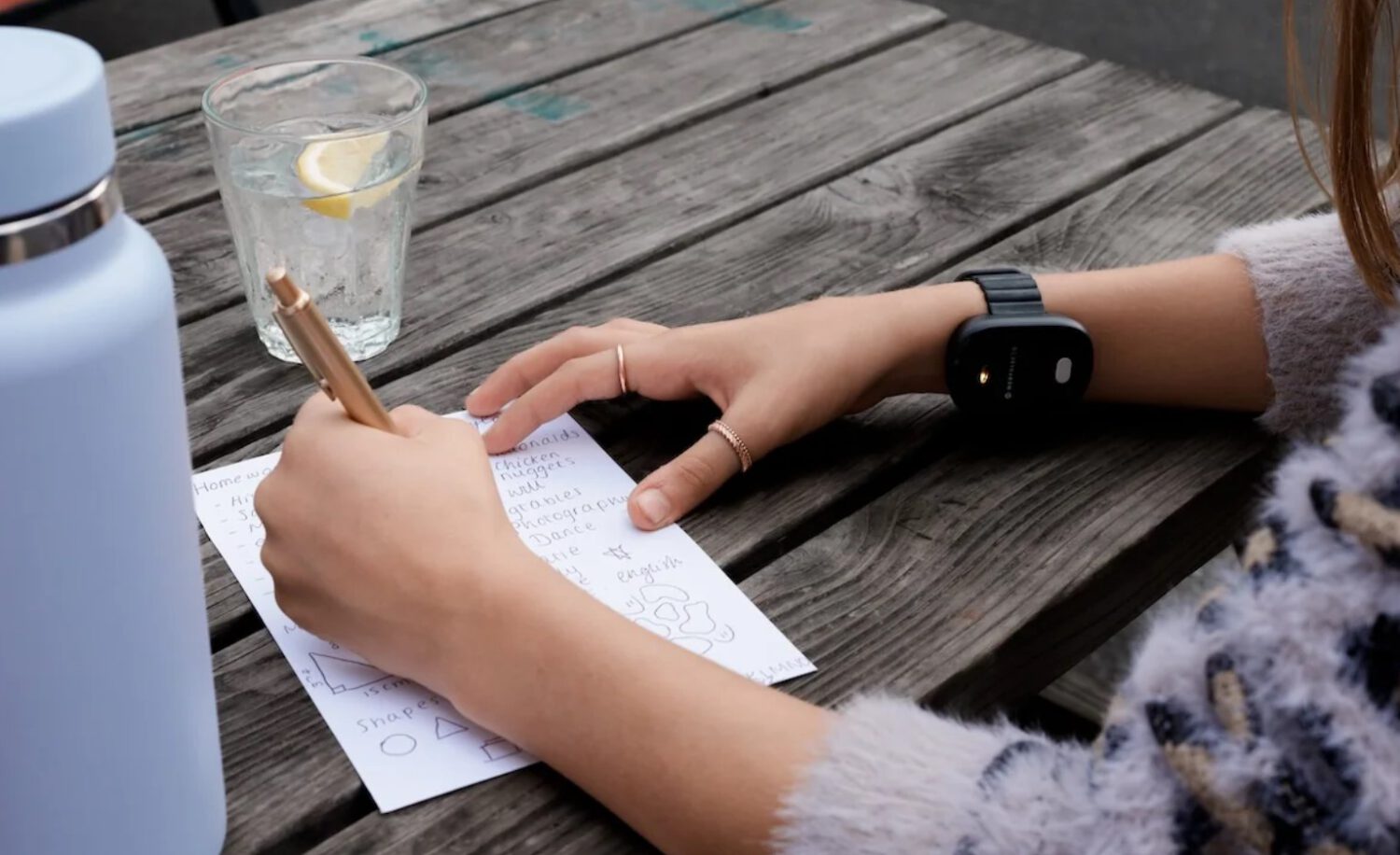
Tourette syndrome has no cure, and for teenagers managing involuntary motor and vocal tics, the daily cost can include missed school, disrupted sleep, and avoided public spaces. Neupulse, developed from research led by Professor Stephen Jackson at the University of Nottingham, is a wrist-worn device that resembles a smartwatch and delivers rhythmic electrical pulses to the median nerve.
Gel pads beneath the band carry the stimulation, controlled through a companion smartphone app. The goal is to influence brain oscillations associated with movement suppression, reducing both the frequency of tics and the urge to perform them.

What the Clinical Trial Found
A double-blind trial of 121 participants produced measurable results, with meaningful variation between individuals.
A UK-wide, double-blind, sham-controlled trial enrolled 121 participants aged 12 and over. They used a prototype at home for roughly 15 minutes on weekdays across four weeks.
Participants receiving active stimulation saw an average reduction in tic frequency of more than 25% while the device was operating. After four weeks, tic severity had fallen by more than 35% on average within the active group.
Around 60% of active-device users experienced meaningful improvement, compared with roughly 33% of placebo users, according to a Tourette’s Action factsheet. Results varied between individuals, and the evidence establishes symptom reduction, not elimination.
Teenagers Describe Regained Independence
Testimonies are compelling, but individual experiences are not clinical proof of universal effectiveness.
Teenagers featured in BBC reporting described returning to school, leaving home, sleeping through the night, and visiting public places they had previously avoided. These accounts reflect genuine individual experiences, not guaranteed outcomes for every user.
One BBC-featured teenager had functional neurological disorder rather than Tourette syndrome and described an abrupt reduction in neck movements when using the device. That account falls outside the established evidence base for Tourette-specific treatment.
Cost, Subscriptions, and Regulatory Reality
At £500 upfront and £20 a month, Neupulse C is available as a wellness product, not an approved medical treatment.
The consumer device, Neupulse C, costs approximately £500, according to BBC reporting. A monthly subscription of £20 covers app updates and replacement gel pads.
Neupulse C is sold as a wellness product, not an approved medical treatment for Tourette syndrome. A separate medical version, Neupulse M, is progressing through the regulatory pathway.
The technology received a NICE recommendation in 2024. Routine NHS provision would still require full regulatory approval and a subsequent health-service assessment, and neither step has been completed. Families considering a purchase should discuss suitability with a clinician, given the distinction between a wellness product and an approved medical treatment.
Research Points Toward Parkinson’s and Beyond
Nottingham researchers are testing similar stimulation for Parkinson’s tremor, while OCD and anxiety applications remain investigational.
The University of Nottingham is running a study examining whether related nerve stimulation could reduce tremor in people with Parkinson’s disease, using an active-and-sham trial design. Potential applications in anxiety and obsessive-compulsive disorder have been discussed by the research team but remain at an investigational stage.