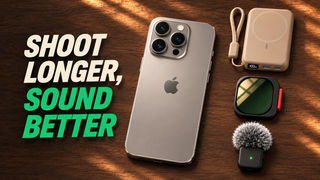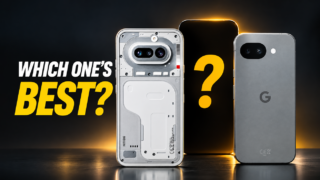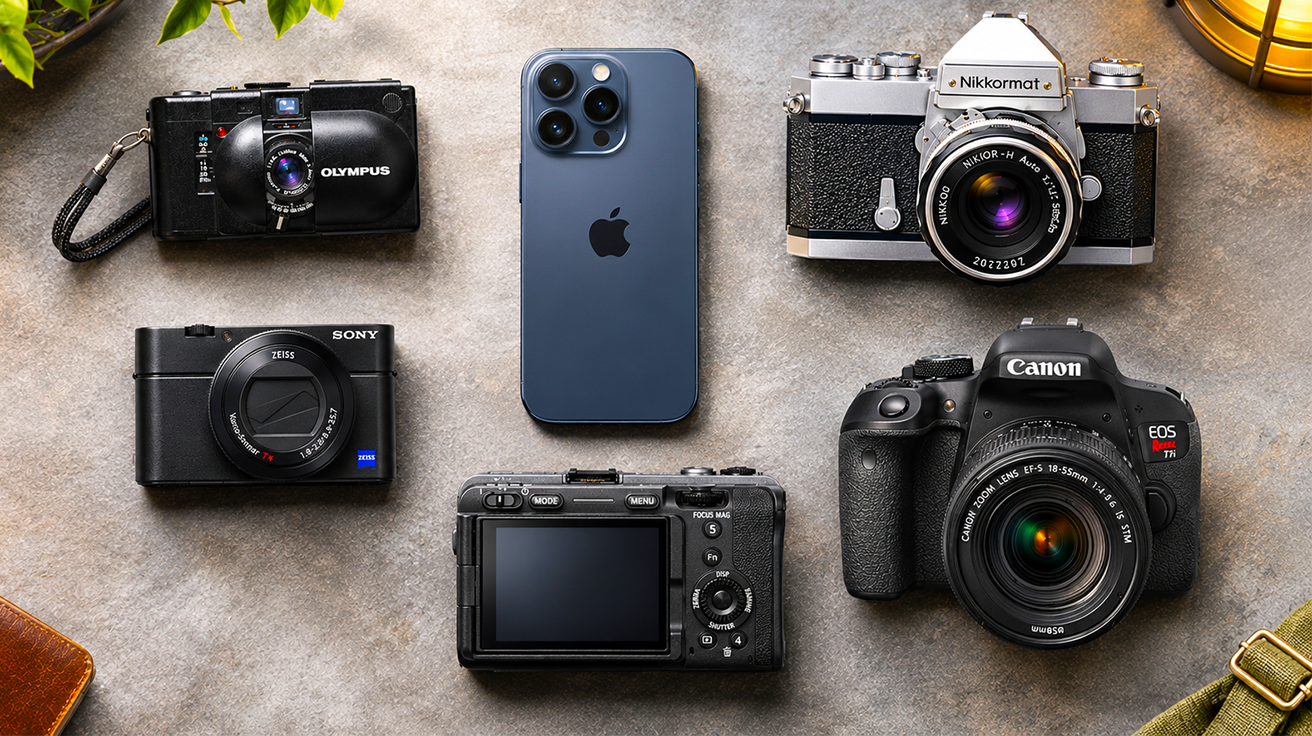
The smartphone in a pocket has become the default camera for billions, yet a dedicated camera can serve for a decade or more. Choosing the right one requires understanding actual photographic needs beyond megapixel marketing. The difference between a pocket-sized shooter and a full-frame workhorse comes down to sensor size, lens flexibility, and manual control. This guide spotlights cameras that deliver tangible advantages for specific real-world scenarios, from compact travel to cinematic video production.
This content may contain affiliate links. If you wish to support us and use these links to buy something, we may earn a commission.
16. iPhone Pro Camera System
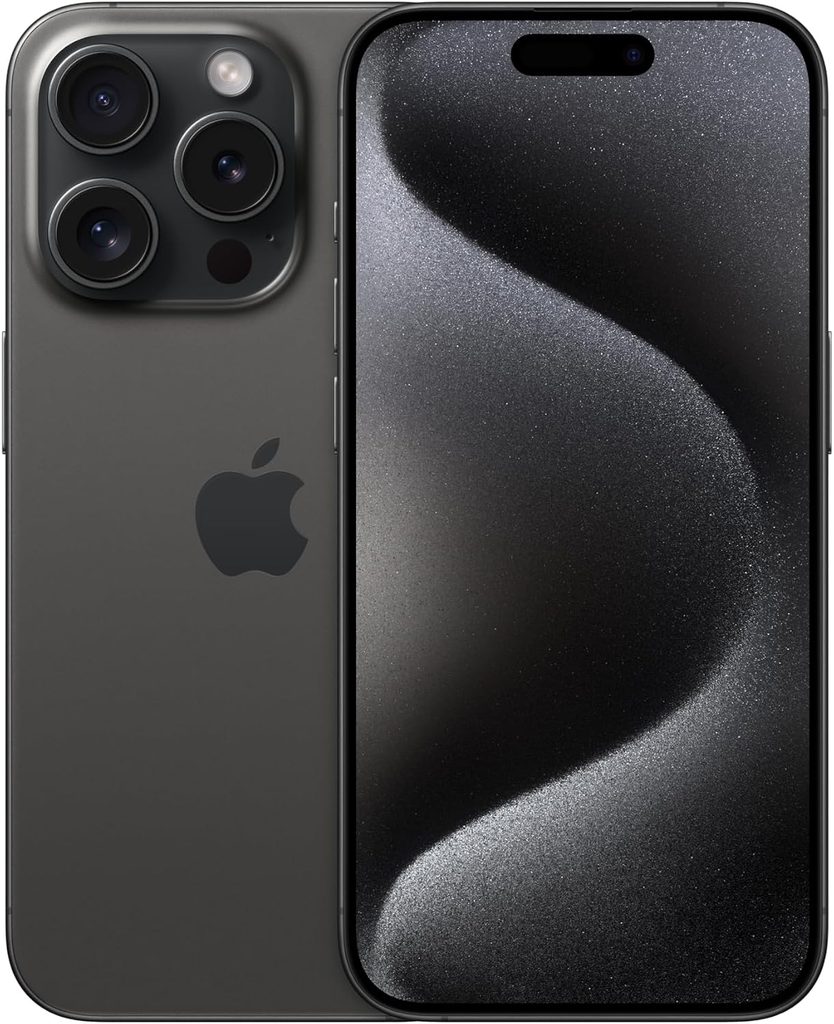
The phone camera that finally justifies its “Pro” label.
A 48MP sensor anchors the iPhone 15 Pro’s main camera, capturing high-resolution photos at both 24MP and 48MP. The camera system includes a 24mm-equivalent main lens, 13mm-equivalent ultrawide lens, and sensor-shift optical image stabilization. For video, it captures 4K footage with Dolby Vision HDR and supports Apple ProRes and Log video recording, turning the phone into a surprisingly capable production tool.
A content creator can capture an unexpected moment for social media, with the phone’s computational photography instantly handling tricky lighting to make the spontaneous post look polished. The IP68 rating means the device survives accidental drops into puddles, though Apple‘s warranty excludes liquid damage. For anyone already carrying an iPhone, the Pro camera system eliminates the need for a separate device in many everyday situations.
15. Sony ZV-1
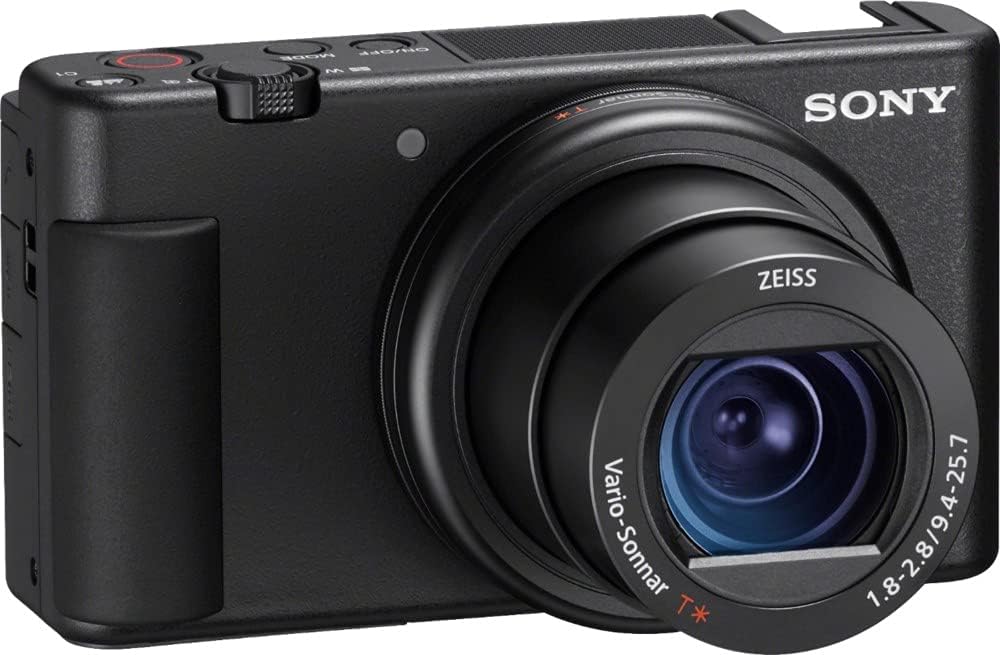
Physical controls meet vlogger-friendly features in a pocketable body.
The Sony ZV-1 bridges the gap between smartphone convenience and dedicated camera capability. This compact fixed-lens camera offers a built-in zoom lens, physical controls, and a larger 1.0-inch type sensor that elevates image quality beyond typical smartphone results. The larger body provides a substantial grip, unlike trying to steady a slippery phone one-handed.
Travel vloggers appreciate the tactile buttons that eliminate swiping through menus mid-shoot. The camera’s dedicated design means no notification interruptions while recording, a luxury in an always-connected world. For creators needing more control than a phone offers without committing to a full mirrorless system, the ZV-1 delivers polished footage in a manageable package.
14. Canon EOS 800D / Rebel T7i
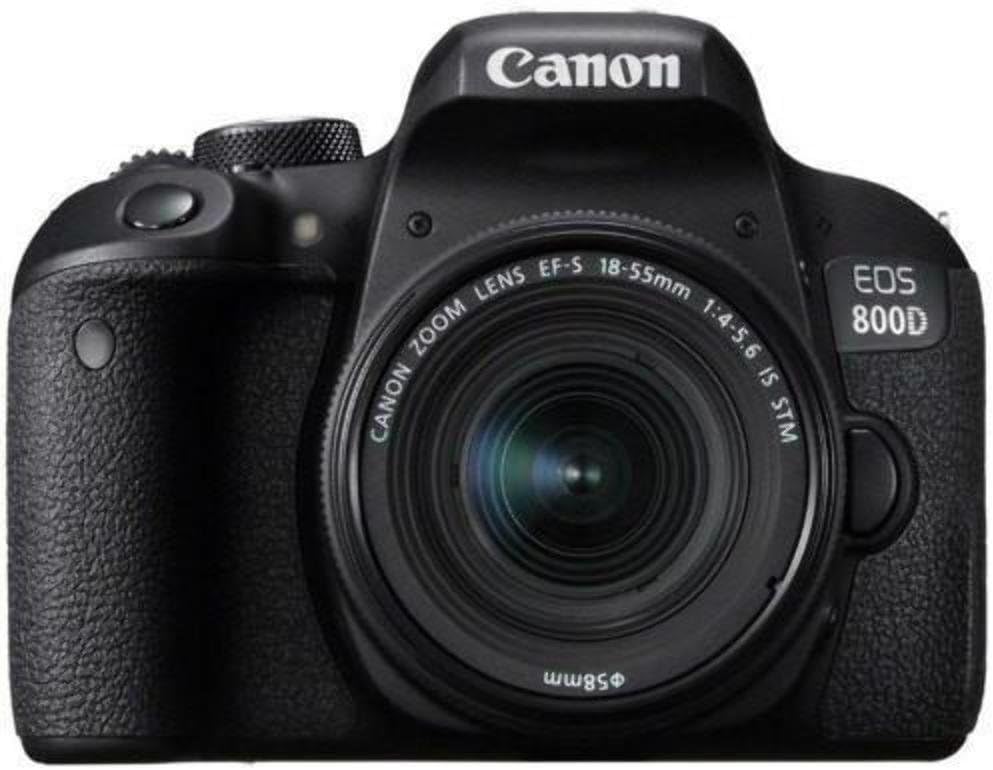
The DSLR that taught a generation photographic fundamentals.
Before every teenager had a cinematic camera in their pocket, the Canon EOS 800D (Rebel T7i in some markets) served as a rite of passage. This DSLR with an interchangeable-lens system offered optical-viewfinder shooting, full manual controls, and access to Canon’s vast EF and EF-S lens ecosystem. Introduced in 2017, it arrived near the end of the traditional DSLR era, just before mirrorless systems began their market takeover.
The camera empowered budding creators to learn composition, exposure, and lens selection without relying entirely on a tiny screen. Its tactile controls provided a learning foundation that prepared users for professional workflows. For anyone who cut their teeth on entry-level DSLRs, the 800D represents the bridge between point-and-shoot simplicity and professional capability.
13. Sony ZV-E10
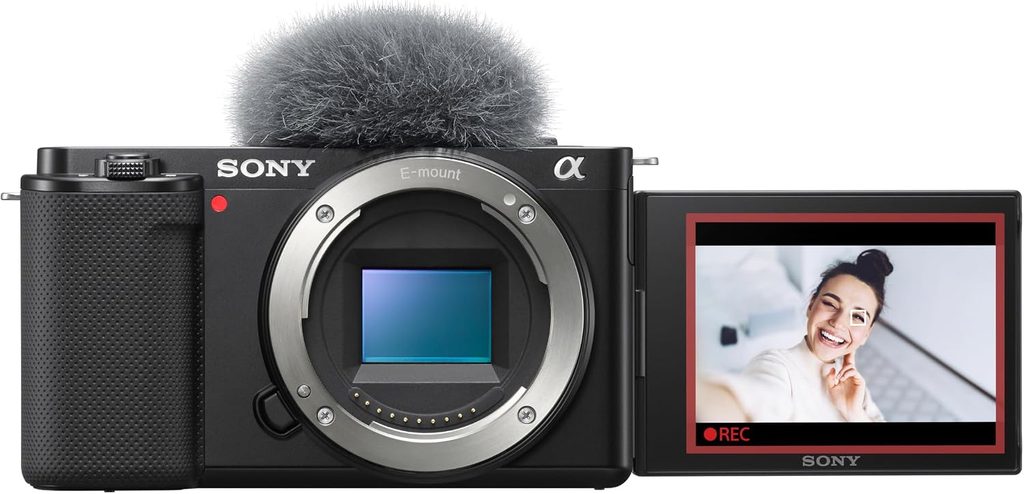
APS-C image quality meets creator-focused design in a portable body.
A 24.2MP APS-C sensor anchors the Sony ZV-E10, an interchangeable-lens mirrorless camera built for content creators. This larger sensor provides significant advantages in low-light conditions compared to smartphone cameras. Sony E-mount compatibility means upgrading lenses unlocks creative flexibility that fixed-lens systems cannot match.
Weighing approximately 343g with battery and memory card, the camera balances serious imaging power with grab-and-go portability. Budding videographers gain the headroom for professional-looking footage with proper depth of field and manual exposure control. The larger sensor and lens options provide creative tools that smartphone digital zoom and computational tricks cannot fully replicate.
12. Sony ZV-E1
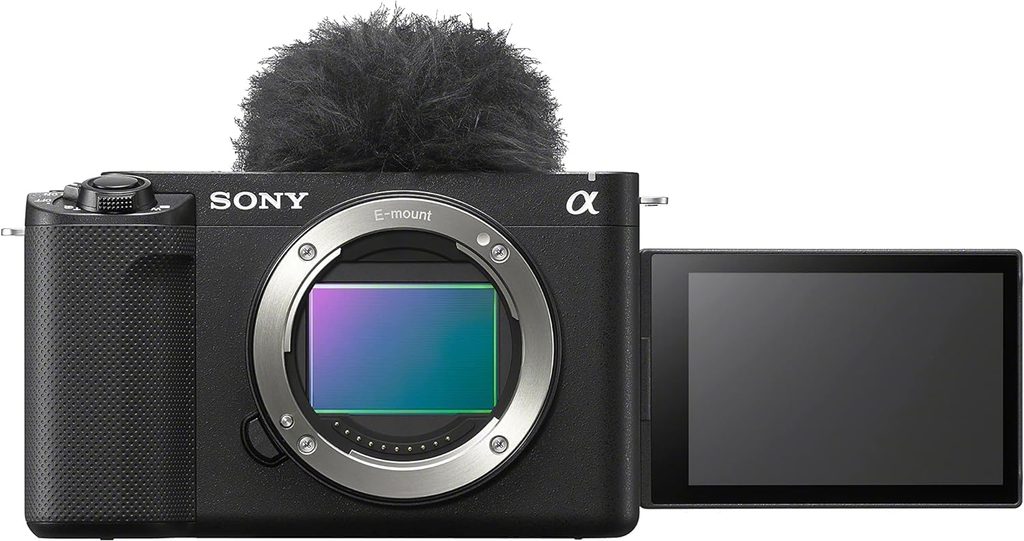
Full-frame imaging purpose-built for video creators who need cinematic results.
The Sony ZV-E1 operates as a full-frame interchangeable-lens camera designed primarily for video production. Its 35mm full-frame sensor delivers approximately 12.1MP for still images while prioritizing video performance, cinematic depth of field, and superior low-light capabilities. The design intentionally favors video features over high-resolution stills.
Filmmakers working in challenging lighting conditions rely on the ZV-E1’s full-frame advantage for clean, noise-free footage. Subject separation far exceeds typical smartphone results, providing the shallow depth of field associated with professional productions. The camera requires more knowledge and accessory support than a phone but rewards that investment with broadcast-quality output.
11. Sony A7S III
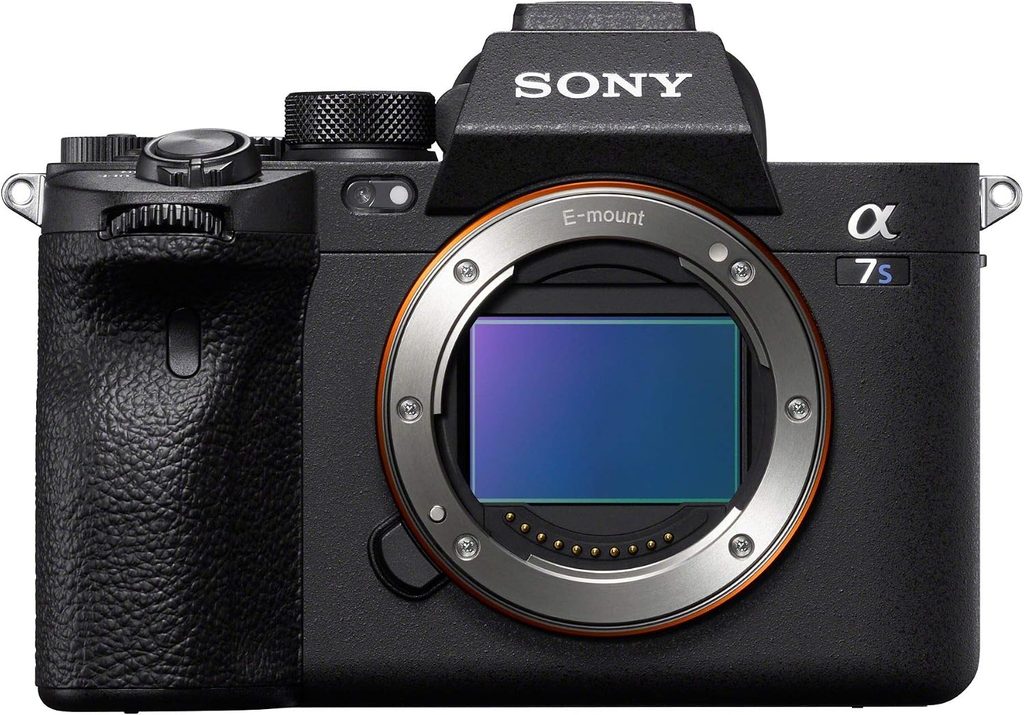
The low-light champion that became a YouTube studio standard.
The Sony A7S III prioritizes video performance with intentionally modest still-image resolution, delivering high sensitivity and wide dynamic range. Its autofocus system maintains critical sharpness even in challenging conditions. Professional recording features enable extensive color grading, transforming raw footage into polished content.
Seasoned YouTubers working in dimly lit cafés or twilight cityscapes depend on the A7S III’s low-light prowess. The camera’s relatively modest resolution is intentional; the design maximizes video performance, sensitivity, and dynamic range. For creators who live in difficult lighting conditions, the A7S III delivers results that smartphone computational photography cannot match.
10. Sony FX3
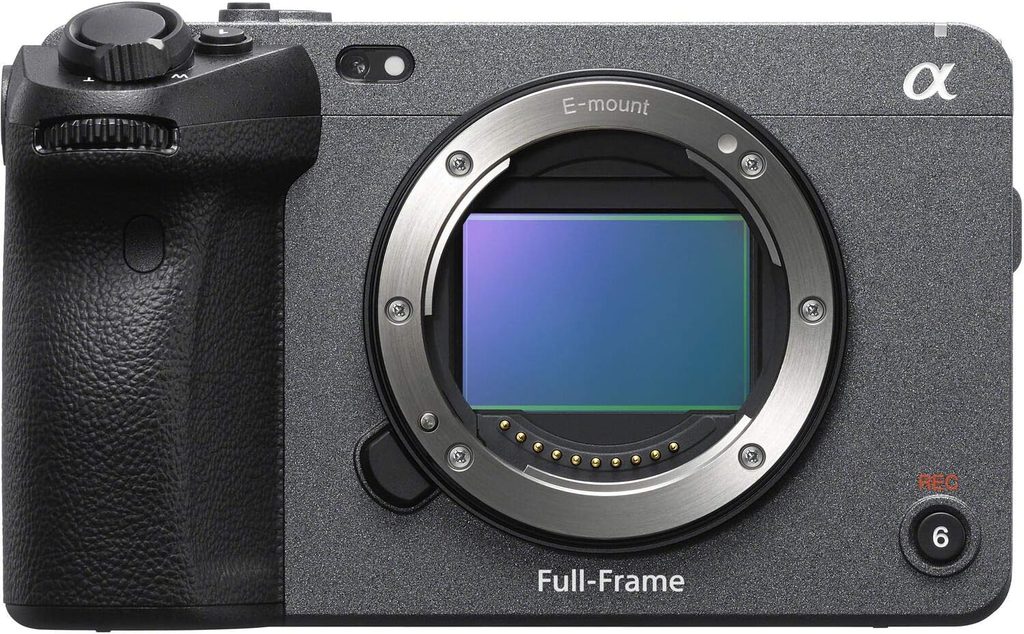
Cinema Line capability in a compact body designed for professional B-roll.
Weighing just 715 grams, the Sony FX3 redefines what a full-frame cinema camera can contribute to professional production. This compact powerhouse from Sony’s Cinema Line offers extensive video controls and professional recording options without shoulder-mounted bulk. Rigging a larger camera in cramped spaces for B-roll often involves awkward contortions.
With its cinema-oriented body and compatibility with Sony E-mount lenses, the FX3 integrates seamlessly into crew workflows as a secondary unit. The camera captures supplementary cinematic footage with the same visual fidelity as primary cameras. For productions needing agile B-roll capability without sacrificing image quality, the FX3 delivers professional results in tight quarters.
9. Sony A7C II
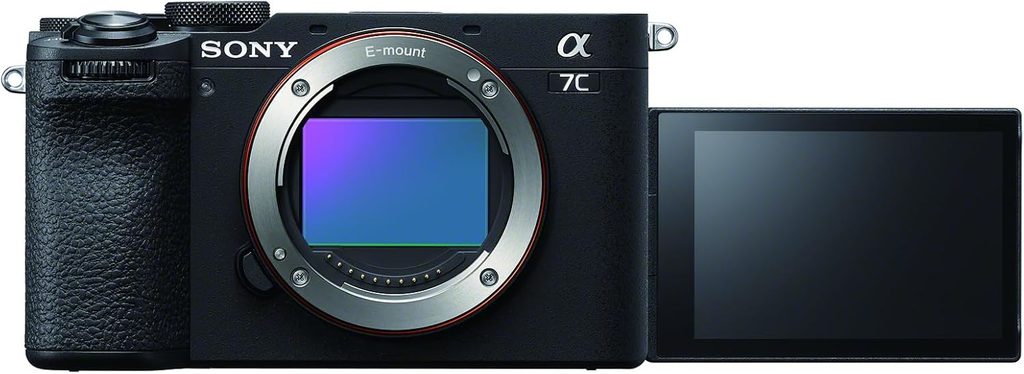
Full-frame imaging in a compact body that doesn’t scream “photographer.”
The Sony A7C II combines full-frame imaging with Sony’s E-mount lens system in a surprisingly small body. This compact design provides significantly more image-quality headroom than smartphones without the bulk of larger professional bodies. The camera fits robust full-frame capability into a package suitable for discreet street photography.
Lugging hulking camera gear around screams “tourist” or “paparazzo,” absolutely ruining natural shots. Professional photographers seeking full-frame depth and detail for candid work appreciate the A7C II’s compact profile. The design allows high-quality imaging without drawing attention, preserving the spontaneity essential for genuine street photography.
8. Sony RX100
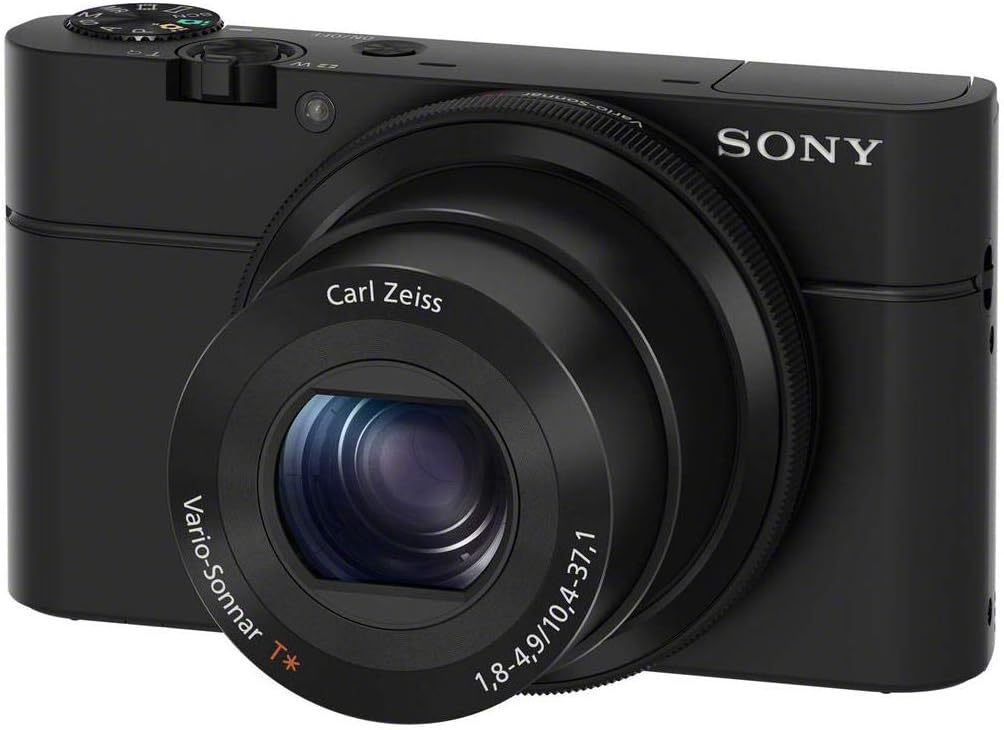
The premium compact that proved one-inch sensors and pocketability could coexist.
The Sony RX100 series combines a relatively large one-inch type sensor with a built-in zoom lens in a pocketable body. Specific models vary across the series; the RX100 VII represents the current flagship. This design provides better control and image quality than phones while retaining substantial portability.
When light goes sideways, phones often struggle. The RX100 offers intuitive physical controls that eliminate digital menu hunting. After years on the market, the series remains a go-to for photographers who want crisp detail where phones tap out, all without the bulk of a full kit. The balance of portability and enhanced image quality keeps the RX100 relevant.
7. Ricoh GR IV
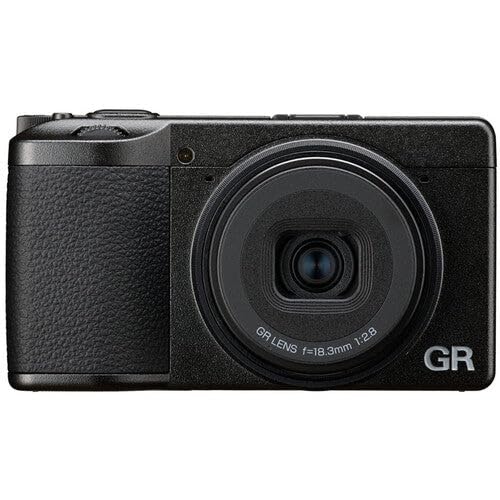
APS-C image quality in a truly pocketable fixed-lens camera.
A back-illuminated APS-C sensor delivering approximately 25.74 effective megapixels defies the assumption that professional image quality requires cumbersome gear. The Ricoh GR IV fits effortlessly into any pocket with its newly designed 18.3mm f/2.8 lens providing a 28mm-equivalent field of view. This fixed-lens compact camera combines APS-C quality with slim portability.
Street photographers appreciate the discreet size that allows genuine candid shots without drawing attention. Trying to snap a quick photo with bulky gear can kill the moment, turning spontaneity into a staged scene. The GR IV’s combination of large-sensor quality and pocketable form makes it ideal for fast access and deliberate composition without the burden of interchangeable-lens systems.
6. Olympus XA
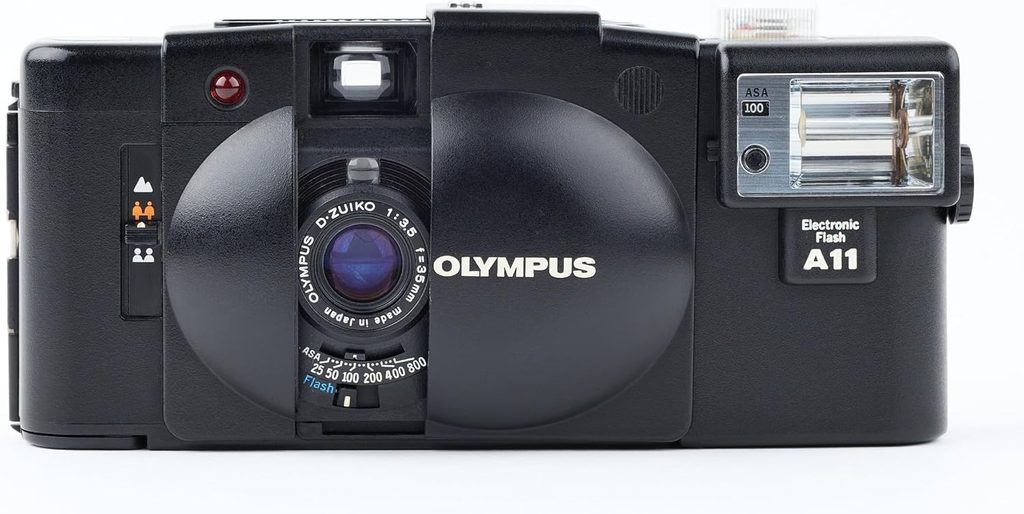
Film photography’s clamshell compact that makes every frame count.
The satisfying click of film winding after a shot isn’t digital approximation on the Olympus XA. This compact 35mm film rangefinder fits neatly thanks to its clamshell design, operated with tangible analog controls. No LCD display exists; the camera requires manual decisions about film usage, exposure, and development.
Choosing film for a trip means each limited shot demands deliberate composition instead of spraying frames freely. That constraint builds genuine anticipation, like waiting for your favorite show to drop weekly. Getting developed negatives back and holding physical prints delivers something tangible. The analog workflow forces intentional photography that counters the spray-and-pray digital approach.
5. Nikon Nikkormat
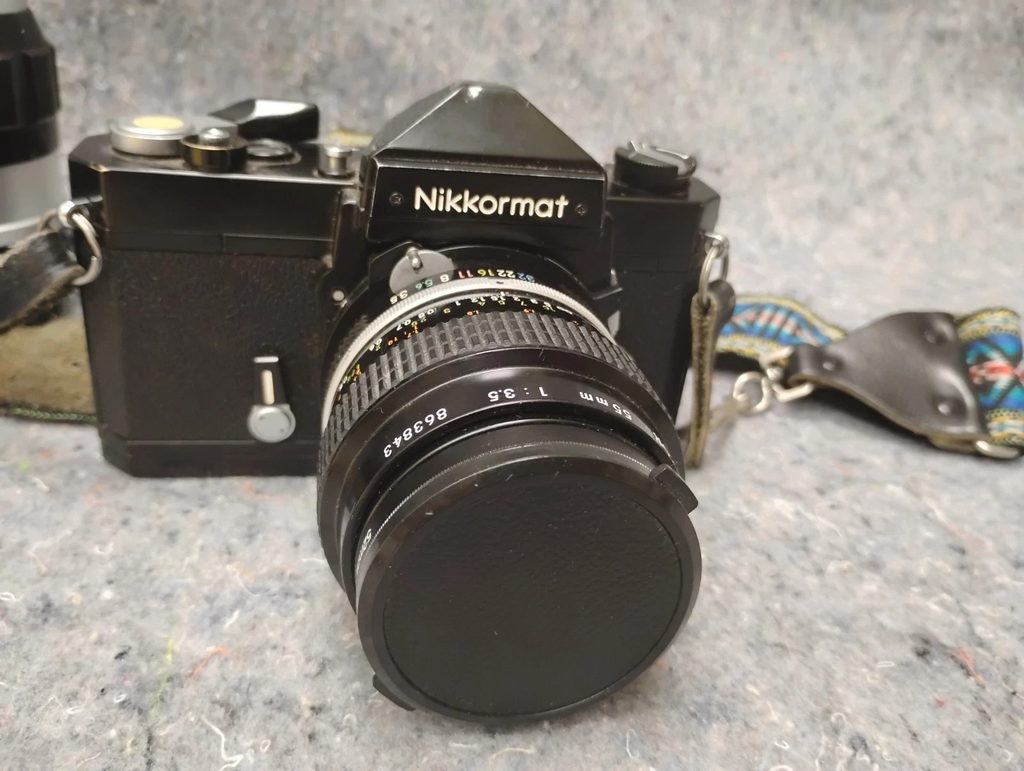
The accessible F-mount SLR that delivered sharp glass without professional pricing.
Nikon’s Nikkormat was a 35mm SLR series positioned below Nikon’s professional F-series cameras. It used Nikon F-mount lenses, allowing photographers to access the same broad lens ecosystem as higher-end Nikon bodies. The mechanical construction and sharp optics made it an investment for serious amateurs who couldn’t afford the flagship F2.
Students and enthusiasts during the 1970s allocated significant funds to acquire Nikkormat bodies for their image quality and ease of focus compared to consumer alternatives. For the following decade, these cameras proved their worth through robust mechanics and killer F-mount lens compatibility. The Nikkormat forged photographers’ eyes long before every shot instantly appeared on a tiny screen.
4. Nikon F2
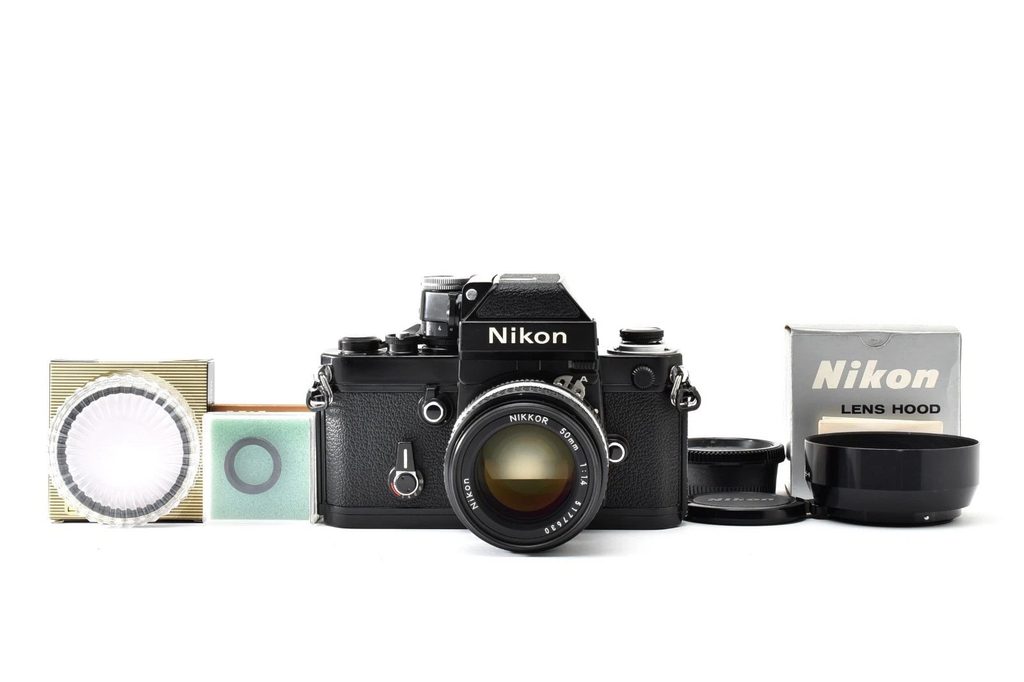
The professional mechanical SLR that defined durability for working photojournalists.
Introduced in the 1970s, the Nikon F2 was a professional mechanical 35mm SLR known for durable construction and interchangeable prisms and focusing screens. This robust machine became a workhorse for photojournalists, enduring conditions that would sideline lesser gear. Its compatibility with the vast Nikon F-mount lens ecosystem offered unparalleled optical flexibility.
Photographers could swap out prisms and focusing screens on the fly, customizing the camera for any assignment. This resilience meant less downtime and more time capturing the story, essential reliability for working professionals. The F2’s mechanical precision and professional features set an industry benchmark that consumer models couldn’t match.
3. Yashica Film Camera
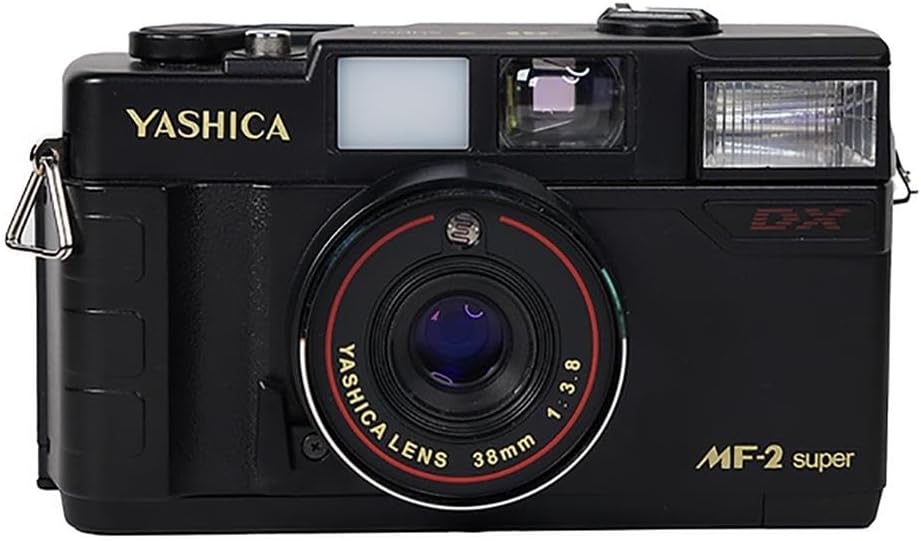
The first real camera that taught patience through 36-frame limitations.
Yashica produced a wide range of consumer and enthusiast 35mm film cameras throughout its history. For photographers beginning their journey in the analog era, a Yashica often represented the first serious camera, demanding a deliberate touch and understanding of light. Holding it felt less like holding a phone and more like operating a miniature, analog instrument.
Film cameras stayed with their owners through high school and college, silent witnesses to countless adolescent rites of passage. The analog workflow forced a slower pace; each of the 36 frames on a roll carried tangible cost and required waiting for development. This constraint taught patience and the stark reality of photographic choices, lessons that disappear in the era of unlimited digital frames.
2. Canon Digital Video Camera
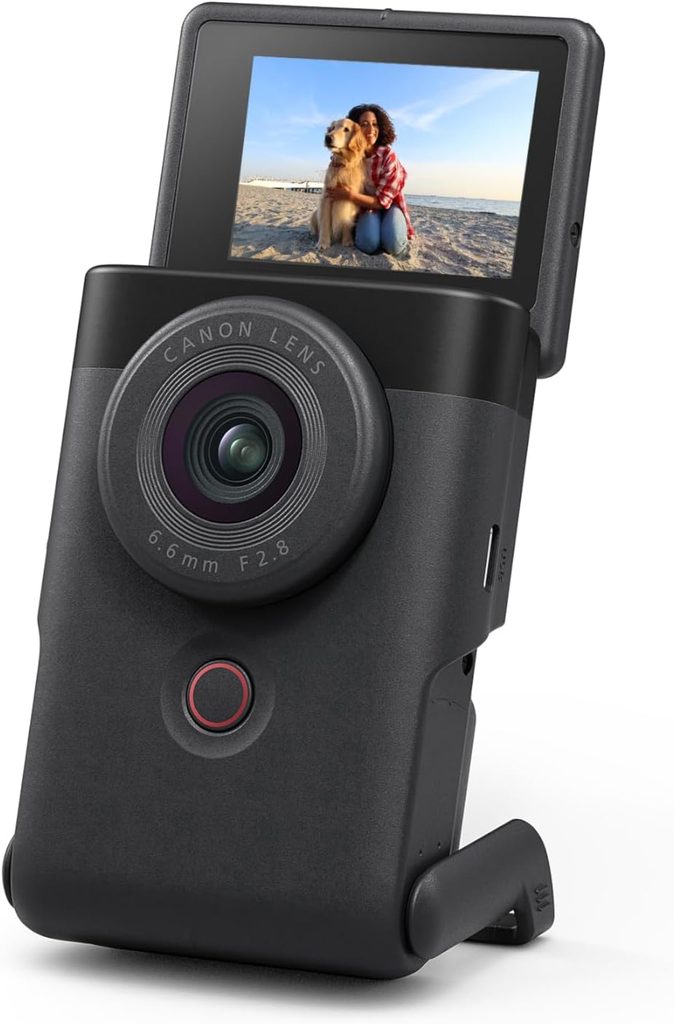
The digital tape camcorder that eliminated film development for home video.
Canon’s handheld digital camcorders from the late 1990s offered parents a critical advantage over film: recording video to digital tape eliminated expensive development. This meant capturing every moment without limits, making home video effortless. The relatively inexpensive camcorders transformed personal documentation.
Digital tape footage could be played back immediately on the camera, though sharing and editing typically required transfer to compatible equipment. This freedom sparked a new era of personal video recording, allowing anyone to document daily lives. The transition from film to digital tape paved the way for today’s content culture, where recording and sharing video has become ubiquitous.
1. PGYTech Retrova Vintage Imaging Kit
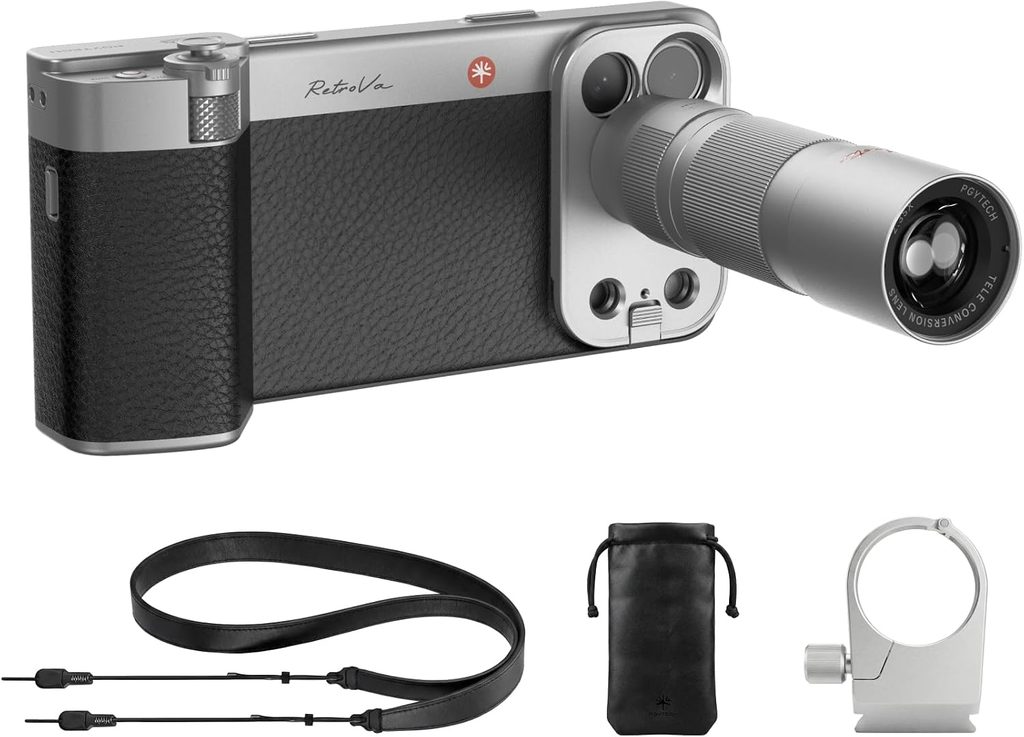
Smartphone accessory that adds physical controls and optical reach to iPhone photography.
The PGYTech Retrova kit transforms smartphone photography through physical controls and optical accessories. The case-mounted grip includes a physical shutter button with half-press focusing and full-press capture. A dedicated control dial and zoom lever provide immediate adjustments to exposure, ISO, white balance, and focal length through a companion app.
Anyone who has fumbled with a touchscreen mid-shoot appreciates eliminating that frustration. The kit includes film simulations, reduced sharpening compared to standard phone processing, and a microSD card slot for expanded storage. Support for ND filters and telephoto lens attachments extends capability beyond built-in phone optics. The accessory makes phone photography feel more like using a dedicated camera while maintaining smartphone convenience.