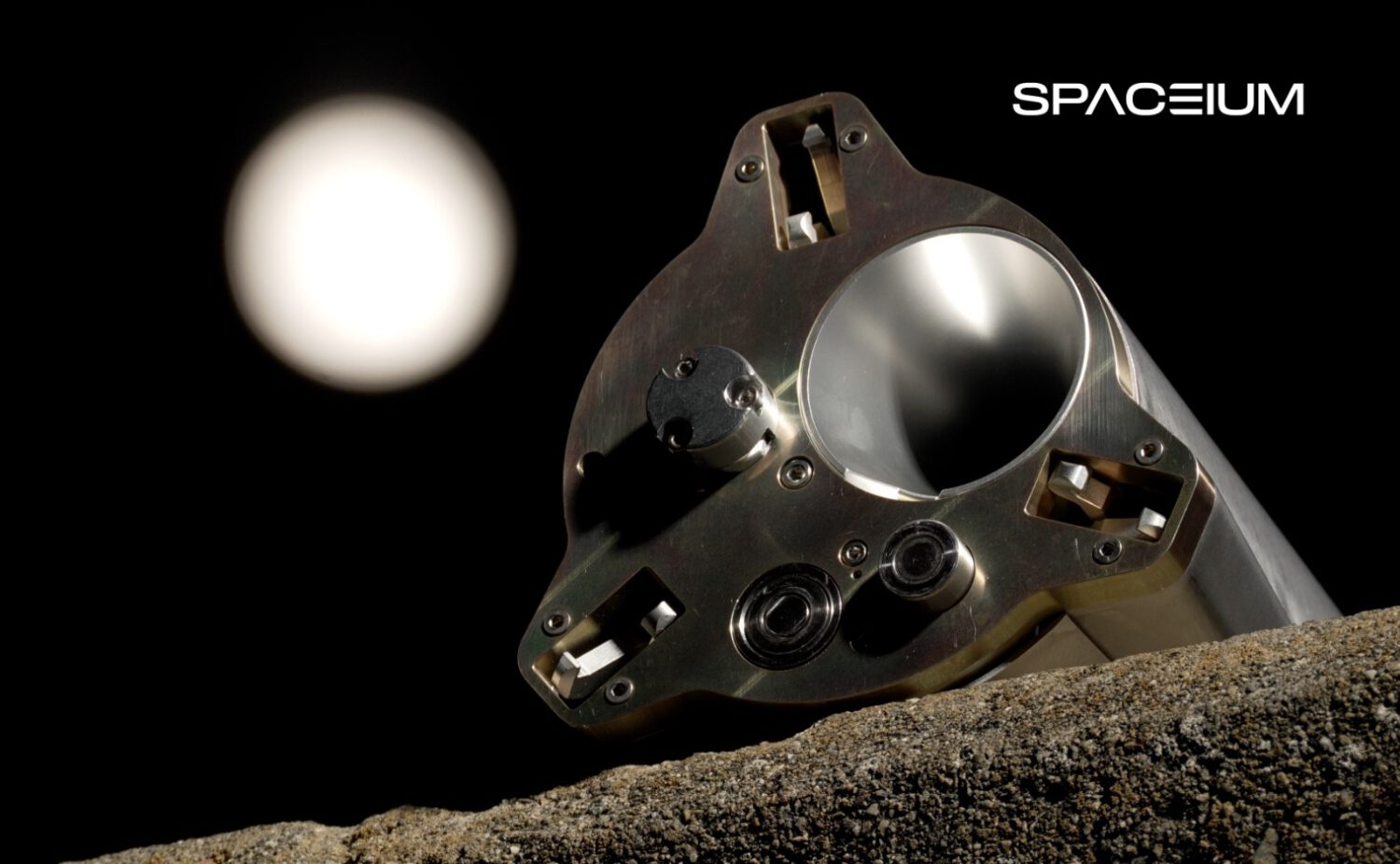
Pricing its OpenPort refueling interface at one dollar, Spaceium is signaling that hardware licensing is not the business. CEO and cofounder Ashi Dissanayake has described the company’s objective as building an orbital fuel economy, where spacecraft get refueled rather than retired when their propellant runs out, according to available reporting.
What OpenPort Actually Does
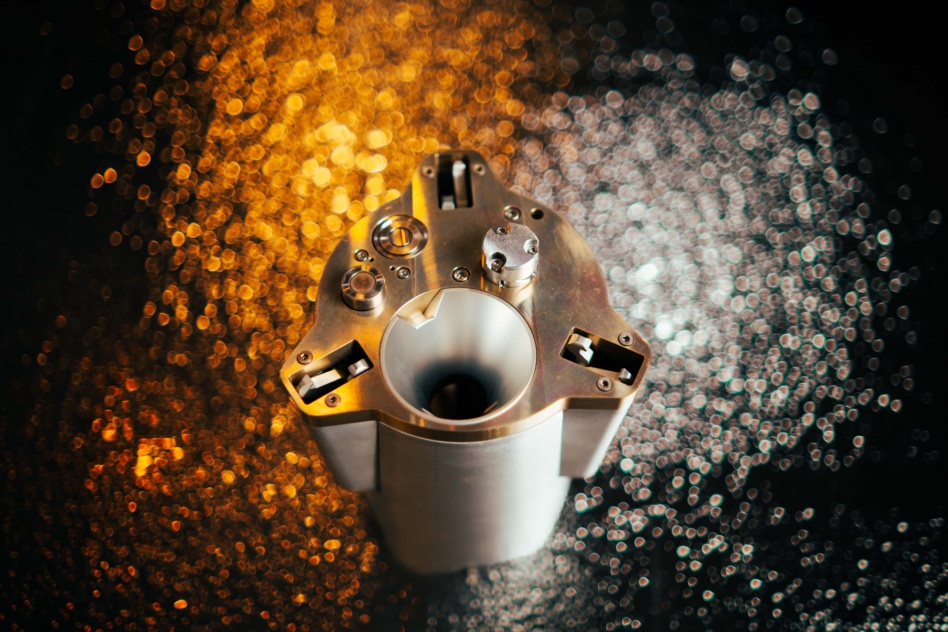
The port is androgynous, bidirectional, and fuel-agnostic by design.
OpenPort can receive or transfer propellant through the same hardware. That lets it serve as both a receiving port on a customer spacecraft and a fueling connection on a depot vehicle.
The design is also fuel-agnostic, meaning it is not restricted to a single propellant type. Spaceium says OpenPort is intended to replace the traditional ground-fueling port already installed on a spacecraft for launch preparation. It would not add a separate interface to the vehicle.
That approach could let a component with a normally ground-only role continue functioning after deployment. The bidirectional feature also supports a depot network model, where a mobile depot receives propellant from a larger Spaceium station and then transfers that fuel to customer spacecraft using the same port hardware.
The Core Problem Orbital Refueling Addresses
Satellites often retire not because they break, but because they run dry.
A spacecraft’s mission can end when its propellant is exhausted even though its electronics, structure, and instruments remain functional. Spaceium’s model, as Dissanayake has described it, treats that outcome the way you would treat scrapping a car because its tank is empty.
Refueling could also allow satellites to maneuver more freely, support longer-distance missions, or launch carrying less propellant and acquire more later. Those are strategic implications of the refueling model rather than demonstrated results of OpenPort specifically.
Not the First Open License in This Market
Orbit Fab open-licensed its RAFTI refueling port in October 2021.
Spaceium is not alone in treating open interfaces as a competitive strategy. Orbit Fab made its RAFTI port available through a similar open-license approach more than three years ago.
Spaceium’s claimed differentiators are the $1 price point, the bidirectional design, and a business model centered on fuel sales rather than hardware revenue. Whether those features prove decisive will depend on flight heritage, propellant supply, integration costs, and safety qualification as much as on license terms.
What the Company Has Done and What Comes Next
A robotic actuator test flew in November; an ISS demonstration is planned for the first half of 2027.
Spaceium flew robotic actuators aboard SpaceX’s Transporter-15 mission in November, testing hardware intended to support future depot refueling operations. That milestone is company-reported; independent confirmation of full operational performance was not available in source materials.
The next planned test is an OpenPort xenon-transfer demonstration at the International Space Station, scheduled for the first half of 2027. A successful result would demonstrate the interface operating in orbit, though adoption by spacecraft manufacturers and operators would still determine whether OpenPort becomes an industry standard.
Orbital Infrastructure Is Becoming a Sector
Spaceium is not alone in betting on orbit-as-infrastructure; NeuralSat’s €2.9 million pre-seed points to the same broader shift.
German startup NeuralSat closed a €2.9 million ($3.2 million) pre-seed round led by Capnamic Ventures and Bayern Kapital. The funding supports a planned 72-satellite in-orbit data relay and processing network targeting 50 gigabits per second via optical and high-frequency radio links.
The company is targeting an in-orbit demonstration in 2027 and operational satellite deployment in 2028. Together, Spaceium and NeuralSat reflect a wider effort to treat orbit as shared infrastructure rather than a collection of isolated spacecraft assets.
The Remaining Barriers
A $1 license removes one obstacle; safety qualification and flight heritage are the harder ones.
Standardization becomes more valuable as more participants adopt the same interface. Spaceium’s low license price reduces one adoption barrier. Spacecraft manufacturers will also evaluate reliability, docking procedures, propellant compatibility, and long-term support before integrating any refueling port.
The orbital fuel economy Dissanayake describes depends on that coordination. The price is set. The rest is still being earned.