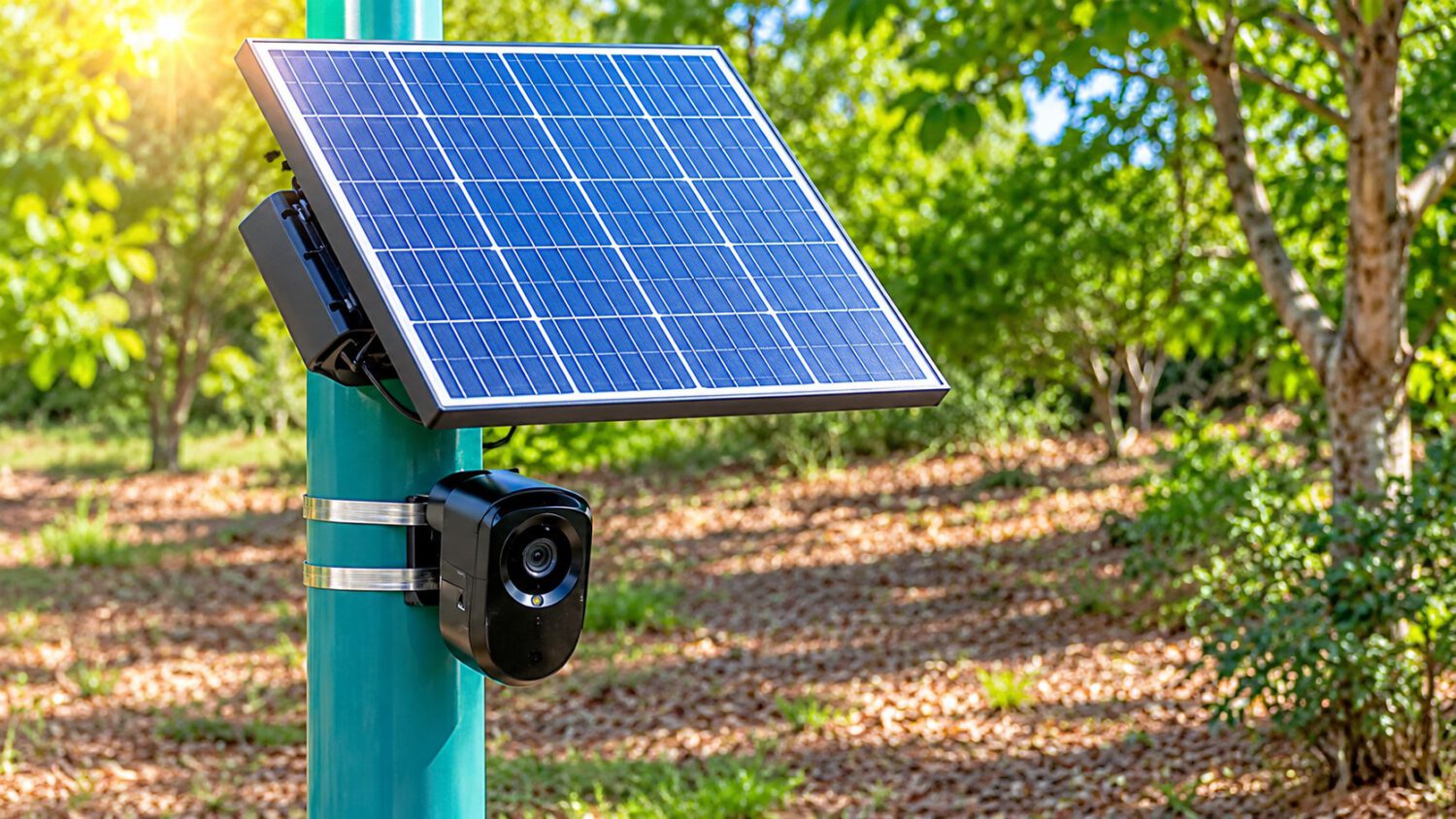
ABC News reported that more than 50 cities and counties had canceled or deactivated automated license-plate readers of the type manufactured by Flock Safety and other firms over the course of the year. Politico reported that more than 20 jurisdictions moved toward cancellation in July alone. Among the most recent: League City, Texas, where residents voted against continued police use; Asheville, North Carolina, which terminated its contract in August; and El Paso County, Colorado, where the sheriff’s office announced in September it would stop using the system.
Three Distinct Problems Are Driving Decisions
Data access, procurement failures, and documented officer misuse are each pushing communities toward the exit, for different reasons.
Ithaca, New York, cited allegations in its termination resolution that federal agents, including ICE and ATF, had accessed state and local license-plate query results without specific authorization from the contracting locality. Those are findings cited by the city in its resolution, not independently established facts, and they contributed to the decision to end the contract. The Electronic Frontier Foundation has argued that residents often did not know cameras had been installed. The EFF also contends that city councils must use purchasing authority to impose oversight, since police departments adopted the systems without public votes or meaningful notice.
Documented misuse has sharpened the backlash further. An officer in Brentwood, Missouri, was accused of using Flock cameras to stalk an ex-wife. In East Texas, an officer was sentenced to prison for using the surveillance app to stalk an ex-girlfriend and her family, with both cases resulting in criminal proceedings.
Flock Says the Business Is Growing Regardless
The company disputes the significance of cancellations and has announced policy changes intended to address core complaints.
Despite the cancellations, Flock says customers own their data, controls the data who accesses it, and that the company holds no contract with ICE. A company spokesperson said new city partnerships in 2026 outpaced non-renewals by roughly 10 to 1, though that figure is an unverified company claim. For new law-enforcement customers, the company moved to a seven-day default data-retention window, down from 30 days, and announced it would require agencies to enter a case code before searching the database, with implementation ongoing.
States and Congress Are Now Involved
Florida, Texas, and two competing federal bills signal the fight has moved well beyond city hall.
Florida barred local license-plate readers from state highways, while Texas paused state funding for Flock cameras, according to ABC News. In Congress, Rep. Thomas Massie introduced the Flock-Off Act, which would restrict federal funding for similar systems. Sen. Bernie Sanders, Rep. Alexandria Ocasio-Cortez, and Sen. Jeff Merkley introduced the Ban Flock Act, targeting federal use of AI-powered surveillance cameras, though the bill’s precise scope requires the full text for confirmation. Cleveland took a middle path, extending its Flock contract but restricting immigration-related searches and cutting off database access for the Northeast Ohio Regional Fusion Center.
Canceling the Contract Is Not the Same as Ending the Surveillance
Some departing cities are shopping for replacement vendors, and what happens to previously collected data depends on the governing contract, retention policy, and applicable law.
Reporting from MassLive found that several Massachusetts departments ending Flock agreements remained open to automated license-plate readers from other companies. That detail suggests the backlash is sometimes directed at Flock’s specific data practices, not vehicle tracking as a practice. Cameras can remain physically in place after a contract terminates, and whether previously collected images and metadata are deleted depends on the governing contract, applicable retention policy, local law, and any secretly tracking users evidence-preservation hold in effect.