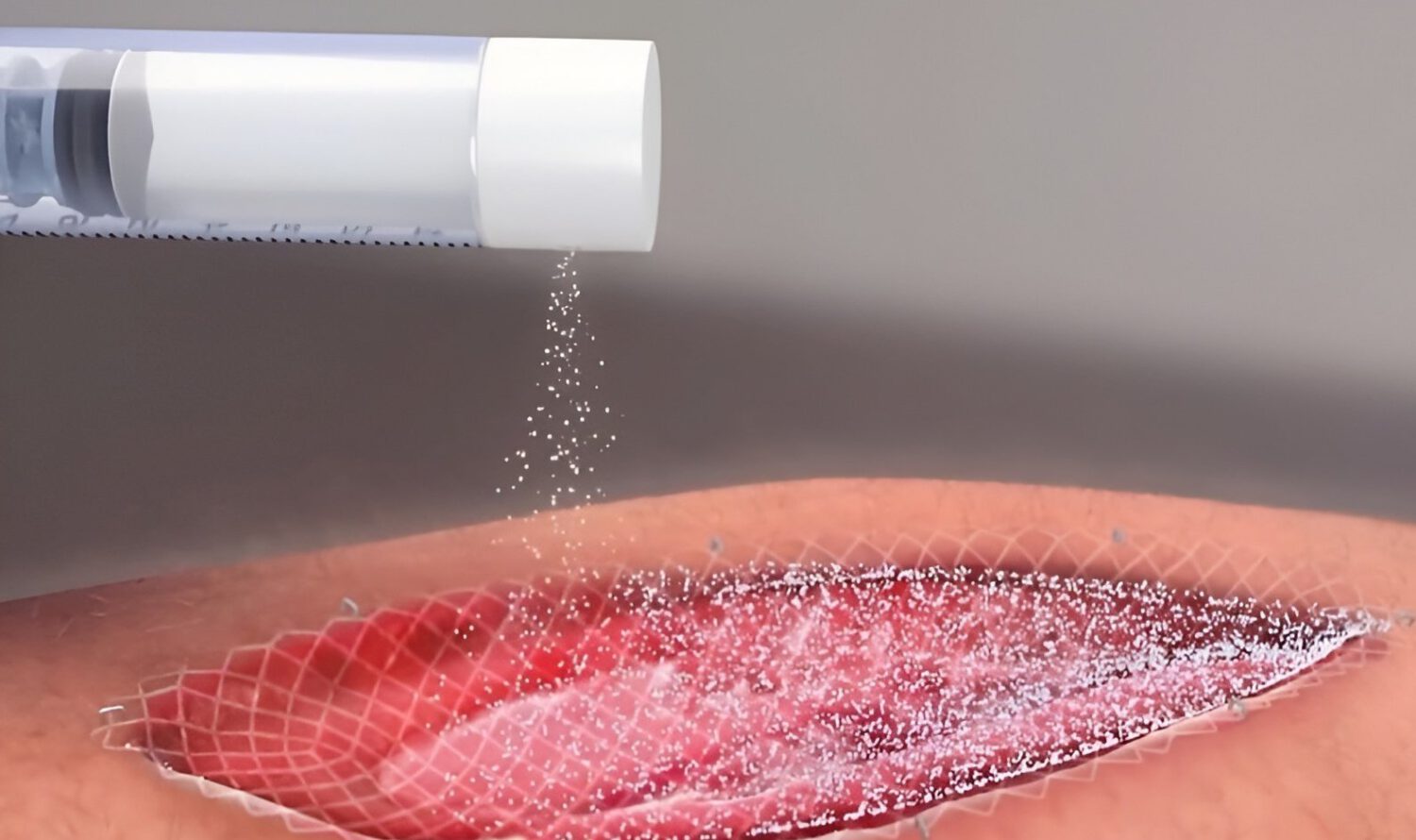
Major burns present a fundamental supply problem: the wound needing coverage is often far larger than the healthy skin a patient can safely donate. Wood began investigating how to stretch that limited supply during burn grafting in the late 1990s, and her research with Stoner produced a technique that processes a patient’s own cells at the bedside through the RECELL device. The processing takes place at the point of care, after preparation steps described in FDA documentation.
How the Device Works
Clinicians take a thin split-thickness skin sample, roughly 0.15 to 0.20 millimeters deep according to FDA documentation, from a healthy area of the patient’s body.
That sample goes into the point-of-care RECELL device, which processes it into a suspension of the patient’s own living skin cells for application onto the prepared wound.
One device can prepare cells sufficient to cover up to 1,920 square centimeters, according to FDA documentation. A widely circulated shorthand describes coverage as eighty times larger than the donor sample. Actual coverage depends on sample size, wound dimensions, and clinical protocol.
From Lab to Market
Wood and Stoner developed an early commercial form of the technology called CellSpray, which reached markets in Australia and Europe before RECELL became the major commercial iteration.
Wood and Stoner co-founded Clinical Cell Culture, later associated with the company now known as Avita Medical, to bring their intellectual property to market. RECELL received U.S. FDA approval in 2018.
The Bali Test
The 2002 Bali bombings placed spray-on skin in front of a global audience and demonstrated how rapidly the technique could be deployed in a mass-casualty event.
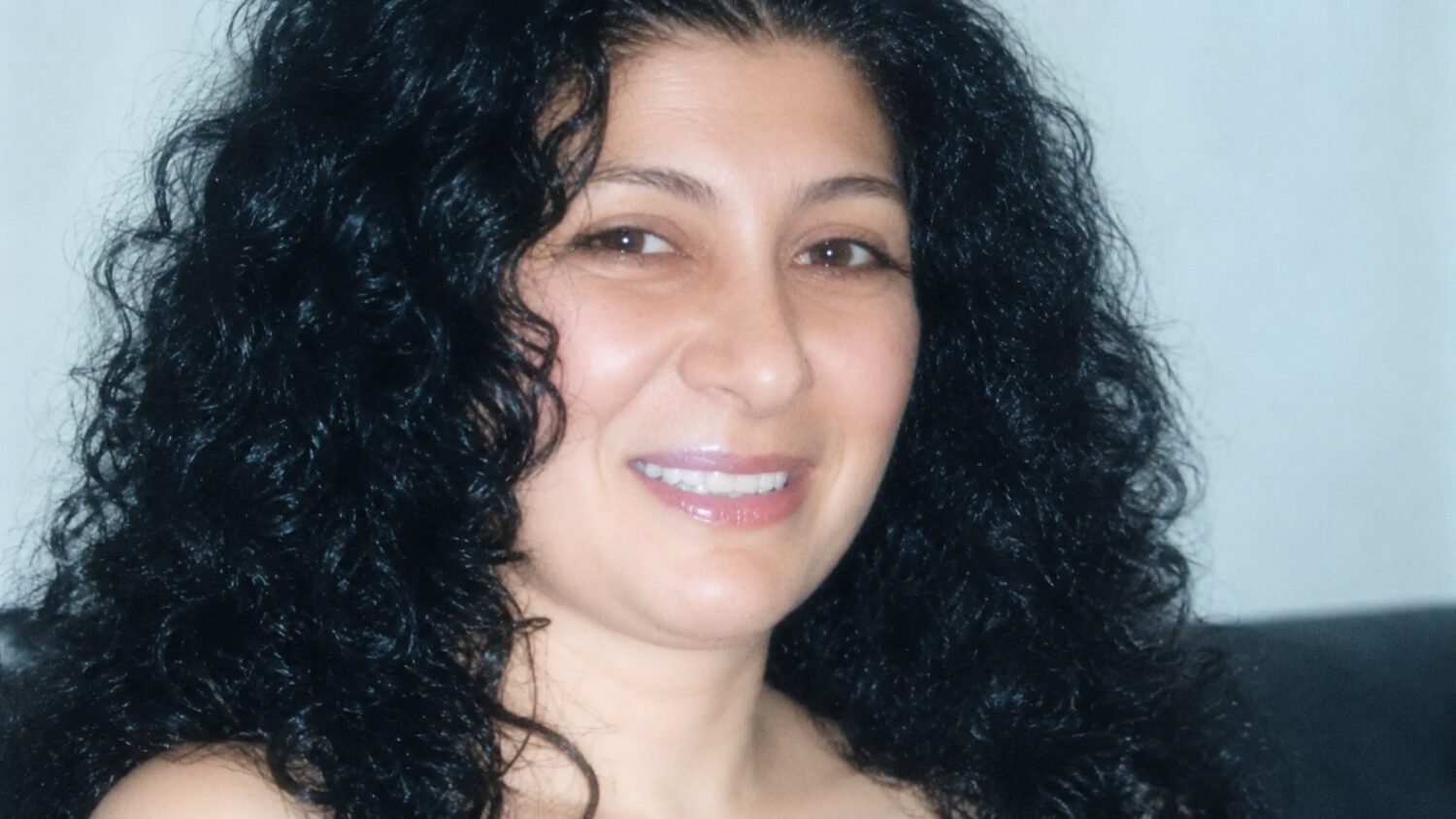
Wood led the Royal Perth Hospital team treating 28 severely injured patients with extensive burn and blast injuries; 25 survived after receiving comprehensive burn treatment that included the spray-on cell technique alongside other care. The spray-on skin approach existed before the bombings and was not invented in response to them.
It was a time when the window to our world [of burns treatment] was opened.
Professor Fiona Wood, burns specialist, via RNZ
What the Technology Can and Cannot Do
The core clinical advantage is donor-site efficiency: a relatively small amount of healthy skin generates a cell suspension for application over a substantially larger wound area, potentially reducing the time the burn remains exposed.
Outcomes depend on burn depth, wound preparation, infection control, surgical judgment, and the patient’s overall condition. Some sources associate the technique with reduced permanent scarring. That benefit is not guaranteed and does not occur independently of other burn-care methods.
RECELL complements conventional grafting and specialist burn care; it is not a universal replacement for skin graft surgery. Use across more than 30 countries and in approximately 15,000 patients has been reported by The Age. That figure should be treated as a historical reported estimate, not a current global registry total.
Current Status
RECELL remains an FDA-approved tool for thermal burn wounds and full-thickness skin defects, available only through licensed healthcare professionals trained in its use.
Its value is specific and bounded: in the right patient, with the right wound preparation and specialist oversight, a small skin sample can cover an area that may exceed what the harvested donor sample alone could address through conventional grafting. That precision is what Wood and Stoner spent decades building toward.