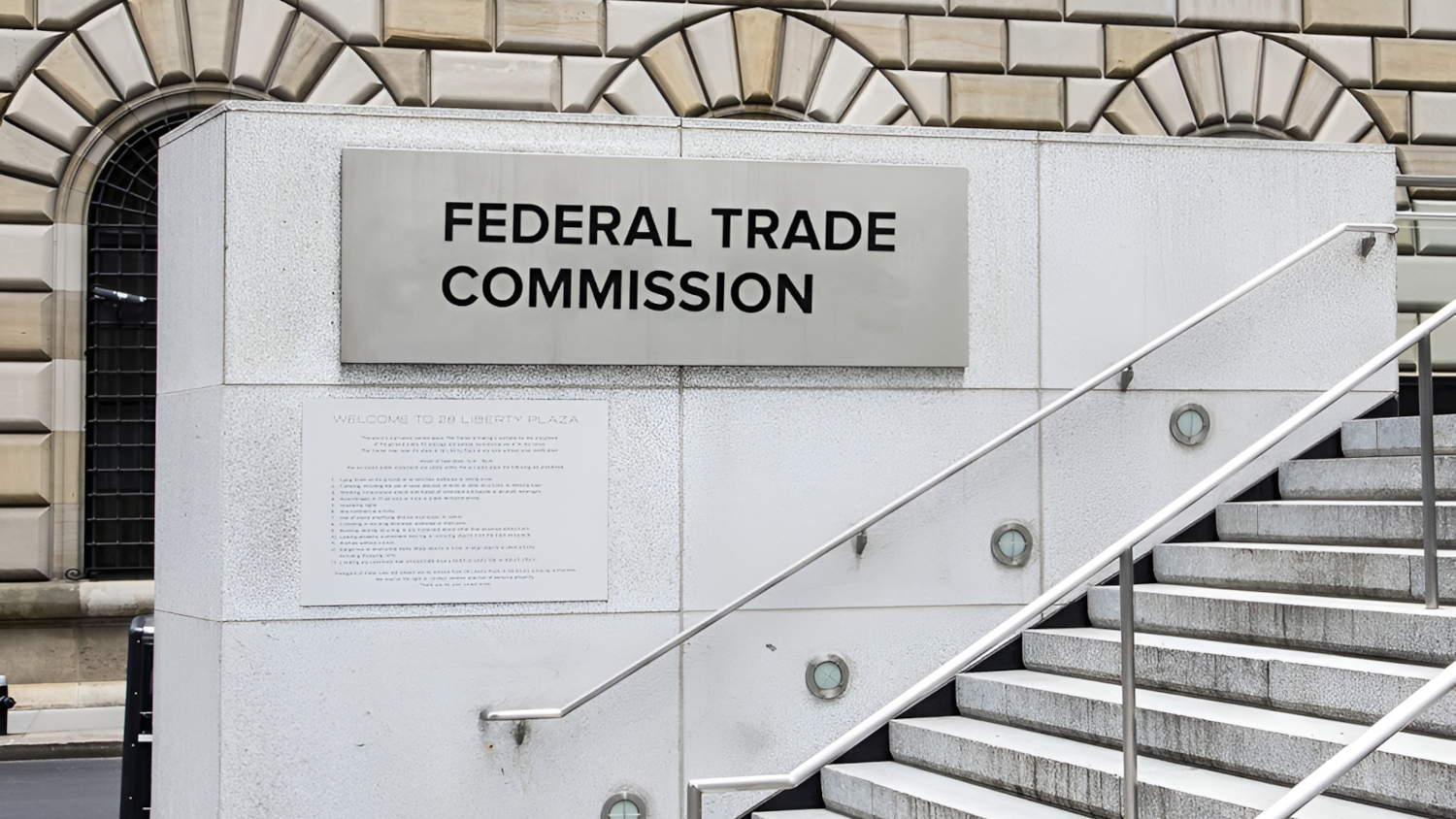
Federal regulators have ordered nine major companies to hand over internal records on whether they use personal consumer data to set individual prices or adjust worker compensation. The Federal Trade Commission issued the orders to Delta Air Lines, United Airlines, JetBlue, Lyft, Uber, DoorDash, Instacart, Target, and Walmart under Section 6(b) of the FTC Act, which grants the agency authority to compel detailed business information for research and policy purposes.
The orders are an information-gathering inquiry. No finding of wrongdoing has been made against any of the nine companies.
What Regulators Are Actually Asking For
The FTC wants documentation of every tool, test, and data source companies use to set prices or pay.
The FTC is asking each company to document the data inputs, algorithms, tools, testing procedures, and internal practices used to set or adjust prices, wages, and job offers. Companies have 45 days from receipt of the orders to respond, and the FTC can seek a federal court order to compel any company that does not provide the required information.
The core concern is the difference between broad dynamic pricing and individualized pricing. Prices that shift because of general demand, seat availability, or regional competition affect customers collectively.
The FTC wants to know whether a specific person’s browsing history, location data, or loyalty-program status changed the price that person saw. Phone usage and web-surfing habits are also named as data points under review.
Gig Workers Are Inside This Inquiry Too
For Uber, Lyft, and DoorDash, the question extends to whether a worker’s acceptance history affects the offers and rates they receive.
The FTC is examining whether a driver’s or courier’s history of accepting rides or deliveries influences the compensation rates or job offers presented to them by the platform. If undisclosed, that practice would mean a worker’s behavioral data shapes their earnings without their knowledge.
FTC Chairman Andrew Ferguson said the agency wants consumers to understand whether companies use web-surfing habits or other personal data to estimate the highest price they can charge each consumer. The FTC has separately sought public comment on whether businesses should be required to disclose when they use personalized pricing and identify what categories of data are involved.
What the Companies Say
Company responses range from flat denials to careful distinctions between personalized discounts and personalized price increases.
JetBlue said it does not use personal information or browsing history to set individual fares, pricing instead on demand and seat availability. Delta said it has zero tolerance for discriminatory or predatory pricing and complies with applicable law.
According to a reported company statement, Walmart prices products rather than people and does not use income, purchase history, urgency, or estimated ability to pay when determining what an individual shopper is charged. Target drew a sharper distinction: its loyalty program, the company said, surfaces relevant discounts rather than raises base prices for individual shoppers.
United Airlines, Lyft, Instacart, and DoorDash did not provide on-record responses to requests for comment available at the time of publication.
What This Inquiry Could Determine
The study could tell regulators and the public how much personal data is already shaping what people pay and what workers earn.
The FTC has stated that personalized pricing is not automatically prohibited. Undisclosed use of personal data, or practices that violate consumer-protection law, could create future enforcement exposure.
What regulators learn from these nine companies could determine whether consumers and workers gain real visibility into the systems setting what they pay or earn. Whether that visibility translates into binding rules remains an open question , but many consumers are already paying too much without realizing it.