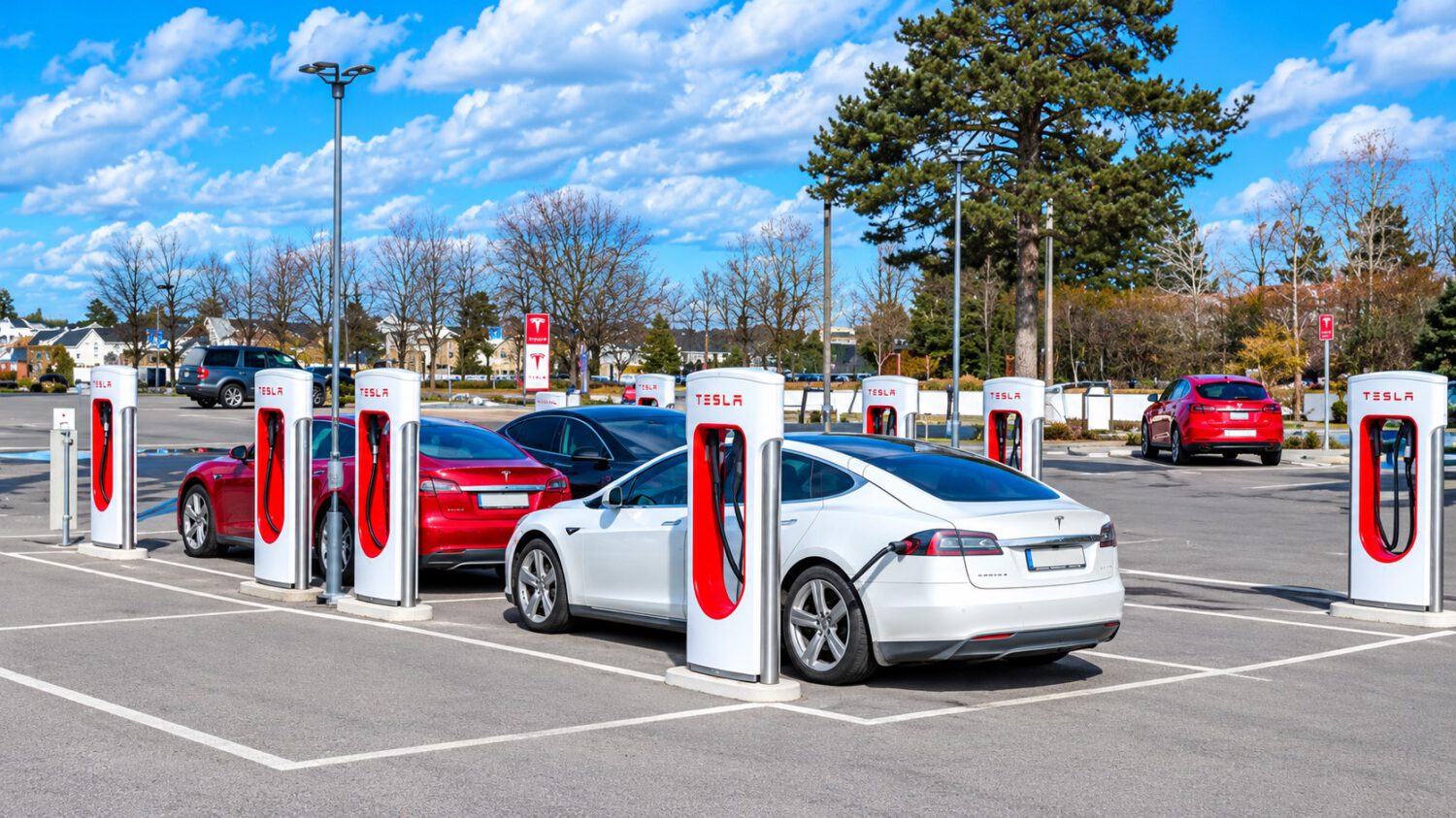
Where the old credit topped out at $7,500, Rep. Greg Landsman’s 21st Century Vehicle Choice Act would raise the ceiling to $15,000 for new electric vehicles. Landsman, an Ohio Democrat, introduced the bill on October 22, 2026, as H.R. 10881, after the federal new-EV credit expired for vehicles acquired after September 30, 2025. Buyers weighing the true cost of ownership can find a detailed breakdown when comparing gas vs electric vehicles.
How the Credit Would Work
Reaching the $15,000 maximum requires satisfying two separate sourcing tests, not just buying an EV.
The proposed $15,000 maximum is structured as two $7,500 portions: one tied to critical-mineral sourcing, one to battery-component sourcing. A vehicle must satisfy both requirements to reach the full amount; falling short on either portion reduces the credit accordingly.
The bill would also raise the used-EV credit from $4,000 to as much as $8,000 and increase the charging-equipment credit from 30% to 50% of eligible costs.
Income limits would tighten under the proposal. Married couples filing jointly would face a $225,000 ceiling. Heads of household would be capped at $169,000, and single filers at $112,500.
Buyers who previously claimed the Section 30D new-EV credit would reportedly be barred from claiming this one again. The credit would apply only to vehicles placed in service after enactment, with no retroactive reimbursement for earlier purchases.
Tesla’s Position
Tesla’s sales volume in the Model 3 and Model Y segments places it at the center of any broad EV subsidy debate.
According to Edmunds figures cited in coverage, Tesla accounted for nearly 52% of U.S. new-EV sales in 2026. That share would make it a major potential beneficiary if the bill becomes law, though other reporting has described the company as having lost its prior market lead during 2024 and 2025, so the figure warrants careful attribution. Meanwhile, a driverless Tesla robotaxi incident has added further public scrutiny to the brand.
Not every Tesla would qualify automatically. Eligibility still depends on North American final assembly, vehicle price caps, and mineral and battery sourcing requirements, meaning specific trims could fall short of the full $15,000.
The used-EV credit increase could also support demand for secondhand Teslas, given the company’s large installed base of vehicles entering the secondhand market. How much of that potential materializes will depend on the bill’s final vehicle-price limits, income thresholds, and any additional eligibility conditions in the enacted text.
The Legislative Reality
No cosponsors, three committee referrals, and a competing bill with broader Democratic backing define where this proposal currently stands.
The bill was referred to three House committees: Ways and Means, Energy and Commerce, and Natural Resources. Coverage from Electrek characterized its near-term prospects as weak, and no cosponsors were listed in available reporting at the time of introduction.
A separate proposal from Reps. Sean Casten and Mike Levin would restore the former $7,500 credit through 2032. More than 160 House Democrats reportedly backed that alternative, suggesting Landsman’s higher figure faces competition even within his own caucus.
The bill still requires passage in both chambers of Congress and a presidential signature. For buyers currently locked out of any federal EV incentive, neither proposal represents relief available today. Drivers looking to save hundreds on automotive costs in the meantime may find value in simple DIY car fixes while waiting for legislation to advance. Until one of them clears that full process, $15,000 is the ceiling on a proposal, not a figure any buyer can apply at a dealership.