At $28,350, the 2027 Ford Fathom is positioned to offer something rarely seen at this price: more than a projected 10 kW of AC power flowing directly from the truck to your home.
Bidirectional charging means the vehicle doesn’t just draw electricity from the grid. It can send power back, turning your truck into a mobile battery for your house during an outage or a high-rate peak period, provided you have the required Ford hardware, utility approval where applicable, and an active Ford plan or trial for home energy management.
Ford is targeting a real gap in the market. Dedicated home battery systems routinely costs less before installation, and Ford’s own earlier F-150 Lightning backup setup required expensive external equipment on top of a higher sticker price.
What the Hardware Will Actually Cost You
Two Ford products make the Fathom’s home-power system work, though final retail pricing has not been confirmed for either.
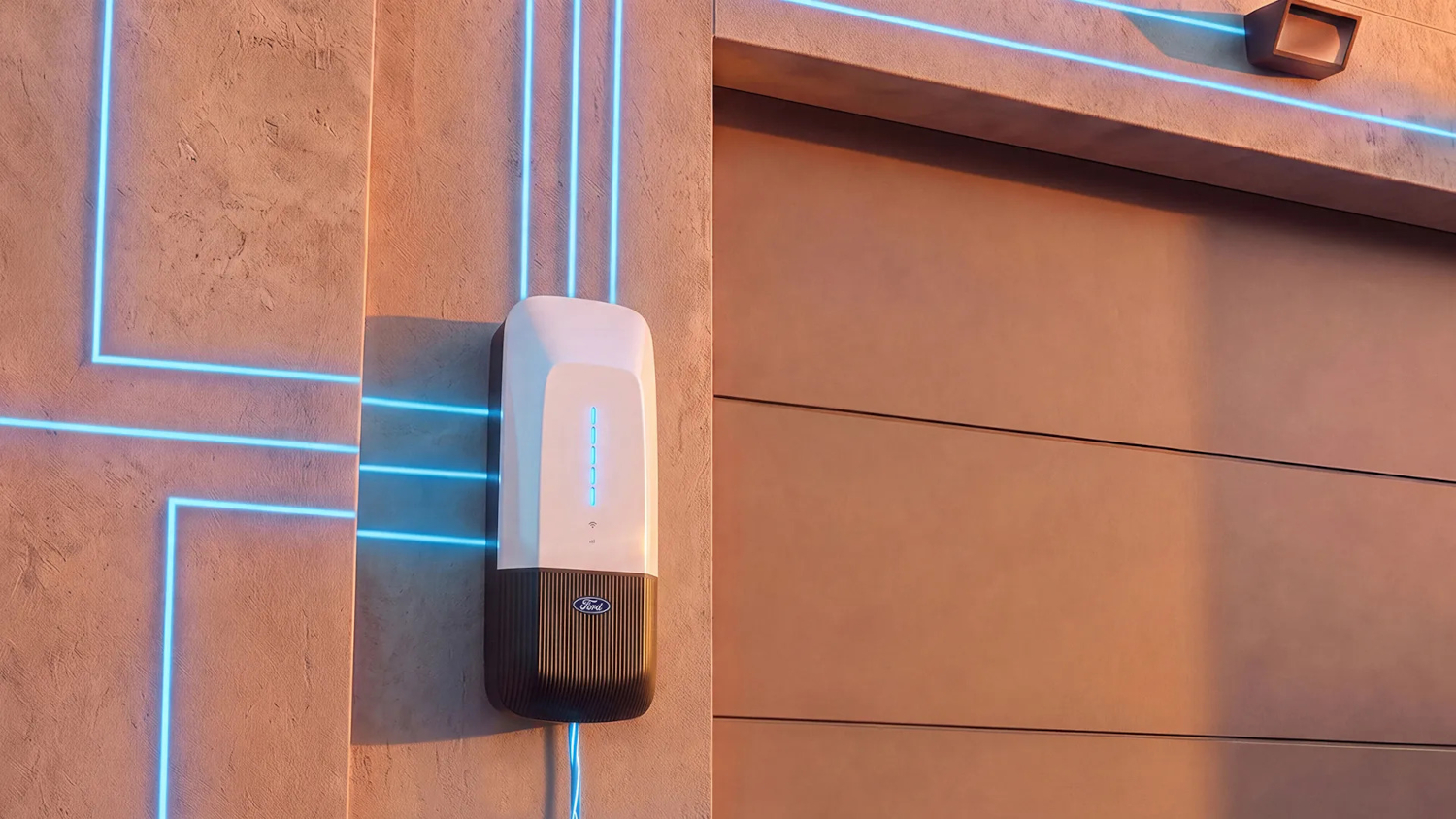
Ford’s Home Power Station is estimated at roughly $650, derived from Ford’s announcement that it will cost about half the price of the company’s first-generation bidirectional charger. It handles energy shifting: charging the truck when electricity rates are low and sending power back to the home when rates climb.
The Home Backup Power package combines the Home Power Station with a Home Backup Panel. Ford says it is expected to cost approximately $2,100, roughly 60 percent less than the company’s earlier backup hardware. Both figures are estimated or derived from Ford’s announced percentage reductions, not finalized retail prices.
What the Truck Can and Can’t Run
More than 10 kW of projected output describes instantaneous power capacity, not a guarantee of how long the truck can sustain your home or which appliances will run simultaneously.
That output can support essential household loads such as refrigerators, lighting, internet equipment, televisions, and some cooking appliances. Think of it as a capable standby generator rather than a seamless, invisible replacement for grid service.
Whole-home operation is not guaranteed for every property. Your actual load depends on your electrical panel configuration and the startup demands of your appliances, since motors in refrigerators and air conditioners can spike well above their running draw when they first kick on.
Grid Participation Could Offset Costs Over Time
Virtual power plants offer a possible revenue stream for enrolled Fathom owners, though payouts are program-dependent and not guaranteed.
Virtual power plants, or VPPs, coordinate distributed EVs and home batteries through software so utilities can draw on stored energy during periods of peak grid demand. Ford says both charger configurations support VPP participation, and owners who enroll and leave their trucks connected may receive compensation from their utility or an aggregator, though Ford has not announced a specific Fathom payout figure.
Reported VPP payments can reach more than $1,000 annually in some programs, but returns vary by utility, location, enrollment terms, and how much energy you make available. That figure represents a possible high-end example in favorable markets, not a standard outcome.
The Number Ford Isn’t Advertising
Installation costs are excluded from Ford’s hardware estimates and could substantially affect the total price of ownership.
Ford’s quoted hardware prices do not include labor, permitting, wiring, or potential electrical-panel upgrades your home may need. Existing V2X setups can cost up to $10,000 when significant panel work is required. Ford also says Home Power Management requires utility approval, and backup installation costs may require utility notice or approval depending on local interconnection rules.
The $28,350 figure is Ford’s starting MSRP before destination, delivery, and dealer documentation fees.
What to Watch Before 2027
The Fathom’s value proposition is more affordable than Ford’s previous bidirectional systems, but the full picture won’t be clear until final pricing, installation costs, and utility requirements are confirmed.
Whether the total system cost stays competitive depends on your home’s electrical setup, your utility’s rules, and final pricing Ford has yet to confirm. Those details will define whether the Fathom delivers on its premise when it arrives in 2027.