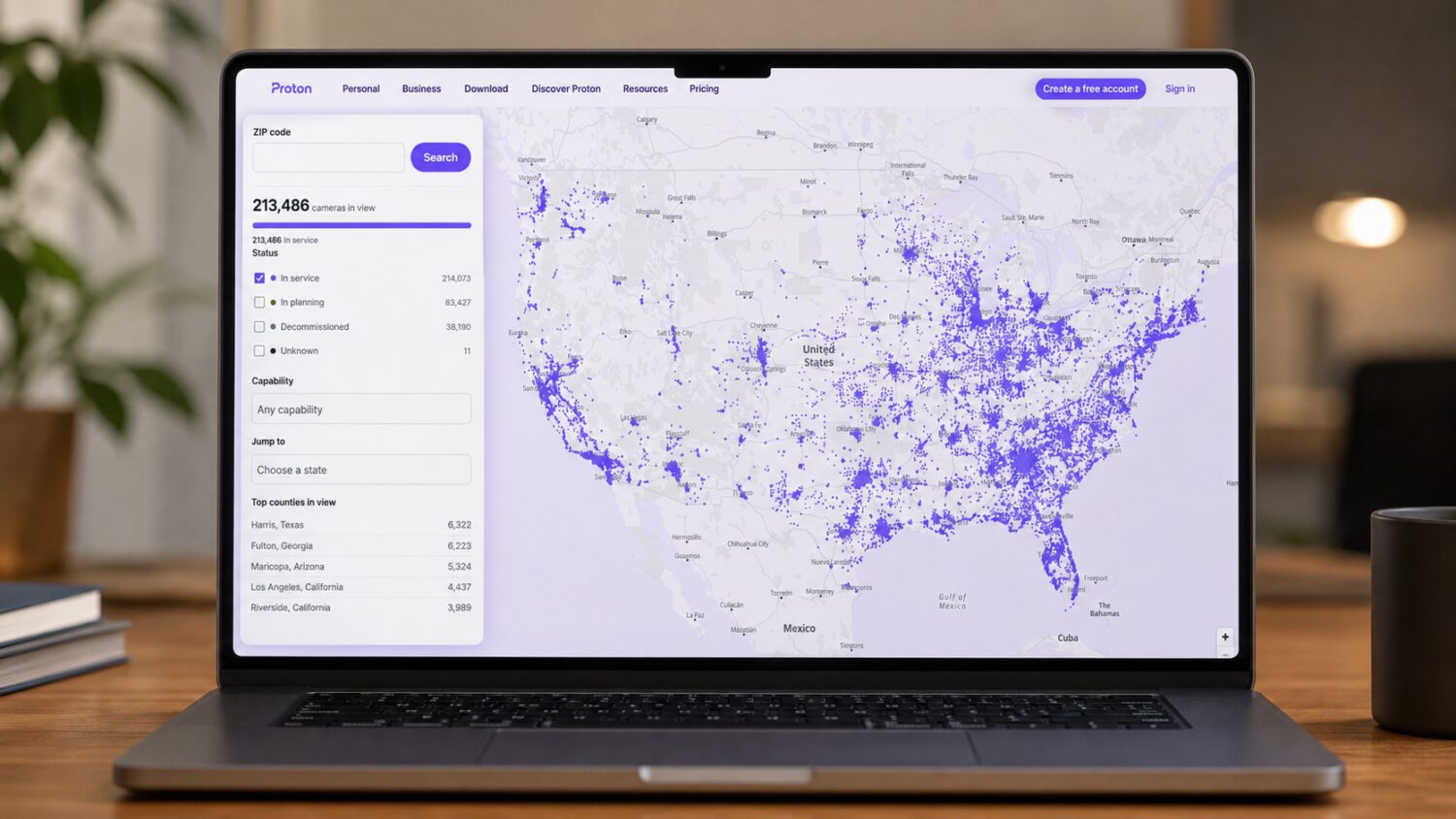
Every time you drive past a Flock Safety camera, the system logs your plate, timestamps the pass, and stores it alongside your vehicle’s recorded details. How long that record sits on a server depends largely on what your local agency decided when it set its retention policy.
Alabama lawmakers think that needs to change.
Two Bills, One Target
Two Alabama legislators are separately preparing bills to regulate Flock Safety camera data ahead of the 2027 legislative session.
State Rep. Ron Bolton, R-Northport, is drafting legislation for the 2027 session. A former law-enforcement officer, Bolton has said the bill would impose stricter data-retention limits and could create criminal sanctions for misuse, though the specific retention window and penalty thresholds remain unfinalized.
State Sen. Arthur Orr, R-Decatur, has separately indicated he plans to introduce his own legislation. Orr has previewed provisions involving warrant requirements, routine audits, and additional access controls, though no confirmed bill text is available.
Trisha Mellberg Cater, executive director of the Alabama District Attorneys Association, has described the issue as likely to be a prominent topic when the session opens. Prosecutors, she has said, want protocols that prevent misuse without eliminating a tool they consider valuable, particularly in missing-child cases.
When the Badge Becomes the Problem
Documented disciplinary cases in Alabama give lawmakers a concrete local rationale for tighter statutory controls.
The urgency is not abstract. According to a Newsweek review of Flock-related disciplinary cases, officers in Moody and Springville, Alabama, faced investigations over alleged unauthorized use of surveillance application of license-plate-reader systems. One officer was terminated; another resigned.
Lee County Sheriff Jay Jones defended the cameras’ investigative value but acknowledged, according to WSFA, that the data should be used to protect the public and not for unrelated purposes.
What the System Actually Holds on Your Vehicle
Flock’s published policies describe built-in audit and retention controls, though their sufficiency without a statutory floor remains the central legislative question.
Flock’s published policy states a seven-day default retention period, though agencies may apply different windows under local contracts or applicable law. Every search generates a log entry capturing the username, date, time, stated purpose, and queried plate.
Flock has also announced that law-enforcement customers will be required to enter case codes before running searches, with automated detection used to flag abnormal activity. A separate “Evidence Mode” preserves data tied to active investigations without retaining all records indefinitely. Whether those measures are sufficient without a statutory floor is exactly what the legislature is preparing to debate.
The Competing Pulls
The core dispute is whether Alabama can set statewide minimums without hampering time-sensitive investigations.
Prosecutors and sheriffs want the technology preserved and accessible during fast-moving investigations, where a vehicle match can provide a critical lead. Privacy advocates and the legislators drafting these bills want shorter retention periods, warrant requirements, and independent audits. They also want clear criminal liability when an officer runs plates for personal reasons.
The most consequential details, including the retention window Bolton selects, the warrant provisions Orr proposes, and whether penalties land in criminal or administrative territory, are still being drafted. When those specifics are confirmed, they will determine whether your vehicle’s daily movements remain accessible on a government server for seven days or considerably longer.